 Singing Coach AI
The Art of the Perfect Lullaby
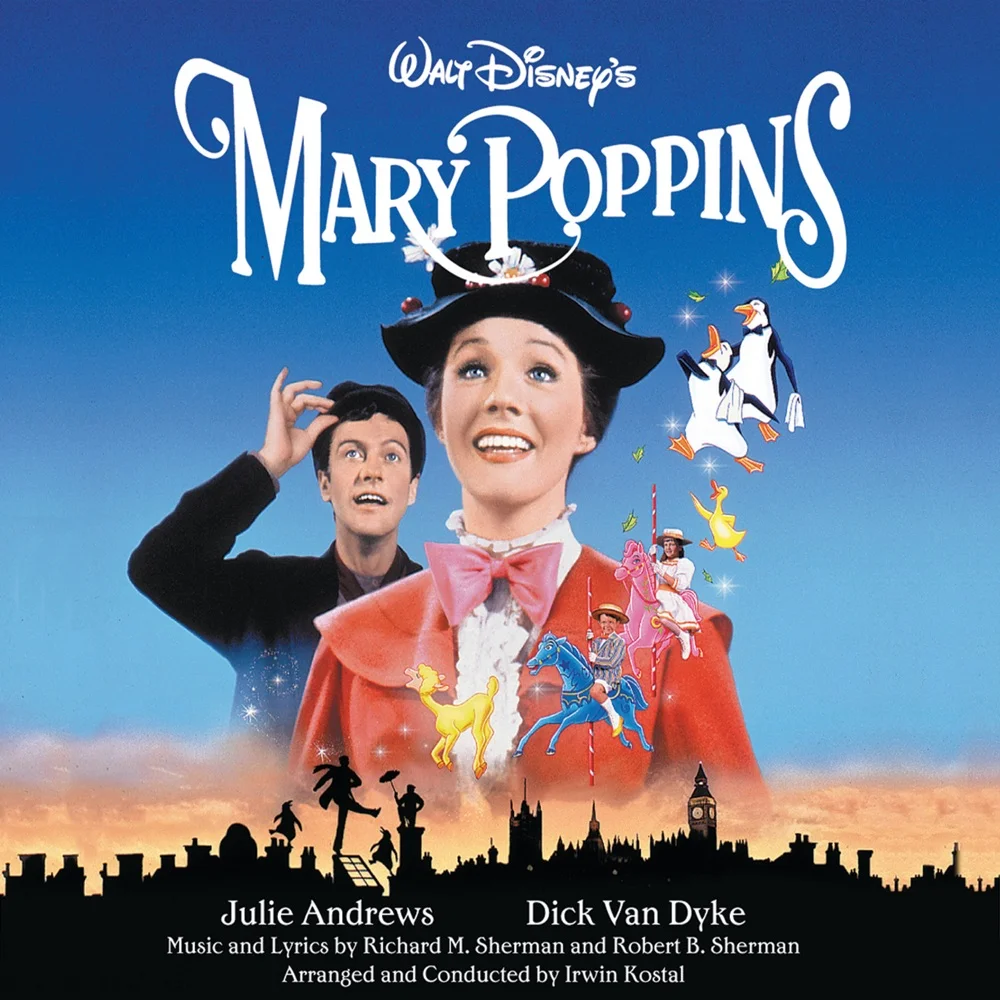
"Stay Awake" is a masterclass in reverse psychology and vocal control. Featured in Disney's 1964 classic Mary Poppins, Julie Andrews uses this "anti-lullaby" to put the children to sleep while ostensibly agreeing they should stay up. Musically, it is simple, but vocally, it is unforgiving. Every wobble in pitch or break in breath support is audible.
To sing this well, you must abandon vocal weight. This is not about power; it is about purity of tone, long legato lines, and the "legitimate" musical theatre head voice that Andrews is famous for.
Phase 1: The Legato Line
The song is written in 3/4 time (waltz feel), but it should feel like one continuous stream of sound. The opening line "Stay... a-wake..." requires a soft onset. If you hit the vowels too hard (glottal attack), you ruin the soothing effect.
The Trap: Clipping the ends of words. Ensure that one word flows directly into the next. Imagine you are playing a cello; the bow doesn't leave the string between notes.
Phase 2: Head Voice Dominance
The melody floats between C4 and D5. For most female voices, this sits squarely in the passaggio (bridge) and head voice. Do not try to bring your heavy chest voice up to the C5 or D5.
- "Though the world is fast asleep": Keep this light and heady. If you feel tension in your neck, you are pushing too hard.
- "Go to sleep": The final notes must fade away to nothing (niente). This requires immense abdominal support to keep the pitch steady as the volume decreases.
Phase 3: Diction and Articulation
Julie Andrews is known for her impeccable diction. The challenge is to be crisp without being percussive. You want to hear the 't' in "Stay" and the 'k' in "Awake," but they shouldn't pop the microphone.
Use the tip of your tongue and teeth for consonants, keeping the jaw relaxed and open for the vowels to maintain that tall, classical shape.