 Singing Coach AI
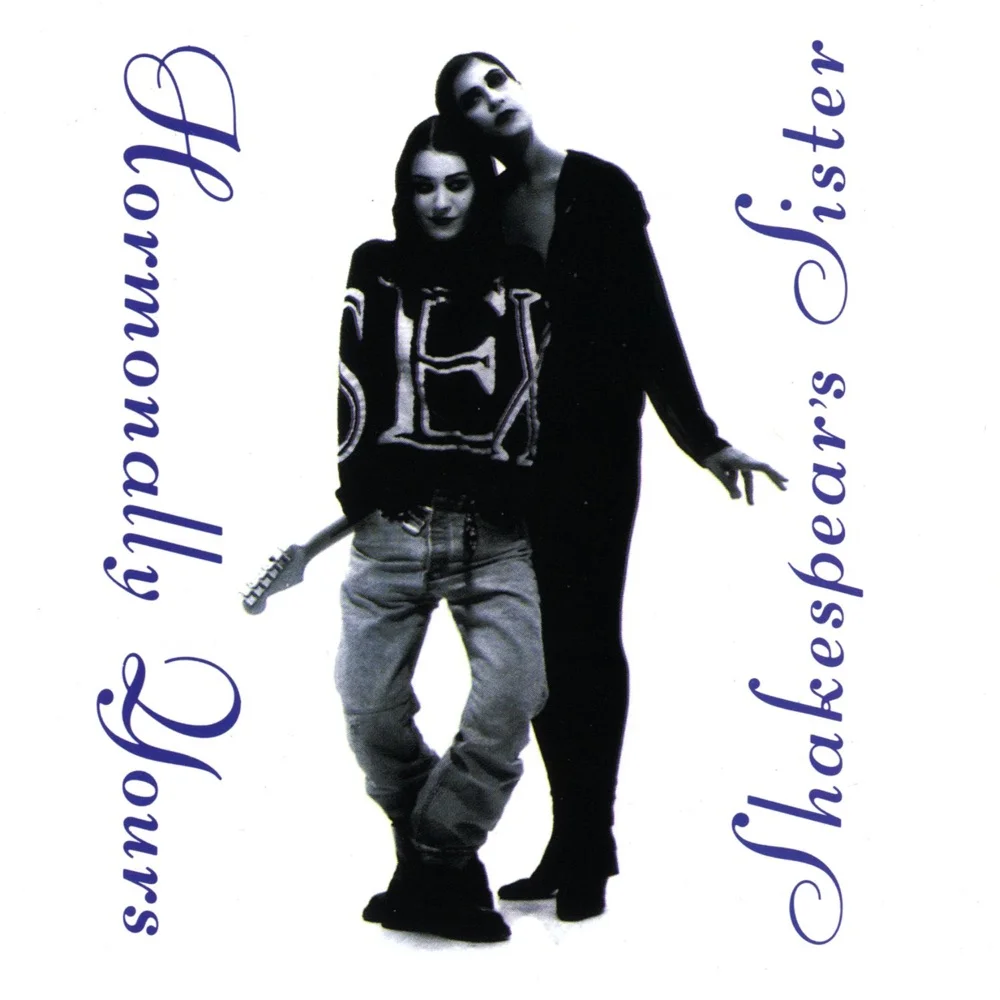
A Tale of Two Voices
"Stay" is famous for its dramatic structure and the stark contrast between its two vocalists. It stayed at number one for eight weeks in the UK charts, largely due to the theatrical interplay between Marcella Detroit's soaring "Angel" vocals and Siobhan Fahey's dark, menacing "Devil" bridge. It defies standard pop song structure by saving its most explosive moment for the very end.
To sing this well, you need versatility. You must be able to switch from a light, floating head voice to a gritty, spoken-word style chest voice, and then launch into a powerful whistle or high-mix register.
Phase 1: The Angel (Verses & Chorus)
The song begins in F Major with Marcella Detroit's vocals. The melody here is gentle and floats above the instrumentation. The challenge is maintaining pitch accuracy while using a very breathy tone.
The Trap: It is easy to go flat when singing quietly. Ensure you are engaging your diaphragm even on the soft notes like "If this world is wearing thin."
Phase 2: The Devil (The Bridge)
At 2:16, the mood shifts entirely. Siobhan Fahey enters with "You'd better hope and pray..." This section sits low in the range (G3-C4) and requires a completely different attitude. It should be almost spoken, with a "vocal fry" texture.
- Character: Drop your jaw and darken your vowels. You want to sound menacing and grounded.
- Contrast: The success of the song relies on how different this section sounds compared to the verses. Don't make it pretty; make it gritty.
Phase 3: The Climax (3:15 onwards)
The song builds to an explosive finale where Marcella returns to fight back against the lower vocals. This culminates in an iconic high note run, reaching up to a D6.
To hit these high notes, you must switch to your "whistle" register or a very reinforced head voice. Do not push chest weight up this high or you risk injury. The AI Coach will monitor your tension levels here to ensure you are hitting the frequency safely.