 Singing Coach AI
The Ultimate Jazz Lullaby
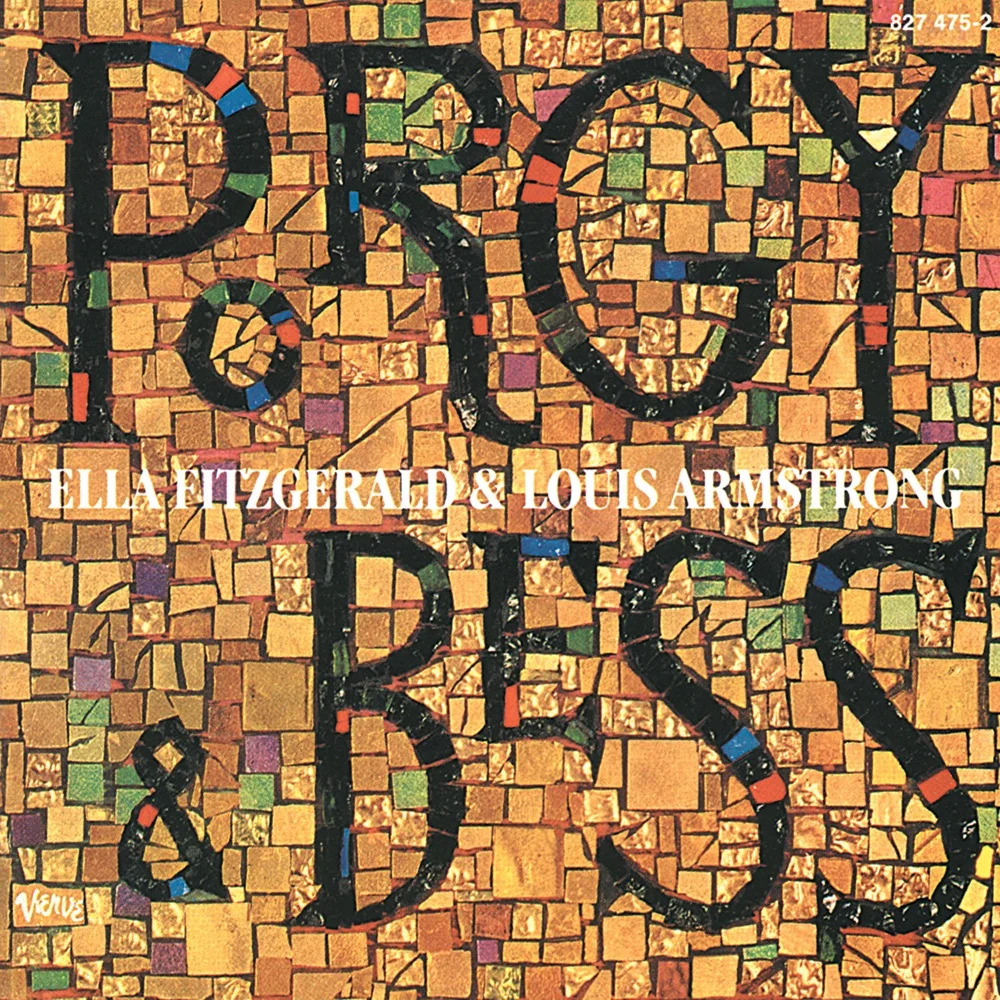
Originally composed by George Gershwin for the opera Porgy and Bess, "Summertime" is one of the most covered songs in history. However, the 1958 version by Ella Fitzgerald and Louis Armstrong remains the gold standard for duets. It’s a study in contrasts: Ella’s bell-like purity versus Louis’s earthy, gravelly warmth.
Singing this track isn't about hitting high notes or belting; it is about phrasing, tone color, and interaction. Whether you are singing the male or female part (or a solo cover), you need to embody the lazy, humid atmosphere of the song.
Phase 1: Ella’s Entry (0:00 - 2:20)
Ella begins with a masterclass in legato. The line "Summertime, and the livin' is easy" should flow like liquid. Notice how she uses slides (portamento) to move between notes rather than hitting them squarely like a pop singer.
The Trap: Do not over-enunciate. Vowels should be tall and round. "Easy" is sung more like "Eaaah-sy" to maintain the open throat resonance. Keep the volume controlled—think mezzo-piano.
Phase 2: Louis’s Gravel (2:20 - 3:20)
When Louis enters, the texture shifts entirely. He sings in a lower register with significant vocal fry and texture. If you are attempting this style, safety is paramount.
- Support: The "growl" must come from a relaxed throat and heavy diaphragm support. If you squeeze your neck, you will damage your voice.
- Rhythm: Louis swings harder than Ella. He plays with the beat, often anticipating or delaying phrases significantly.
Phase 3: The Blend & Harmony
The magic happens when the voices intertwine. Ella often takes the higher harmony (3rds and 5ths) while Louis holds the root notes. To score high in the Singing Coach AI app during the duet sections, focus on blending. Do not try to overpower the other part; listen to the trumpet lines and weave your voice around them.