 Singing Coach AI
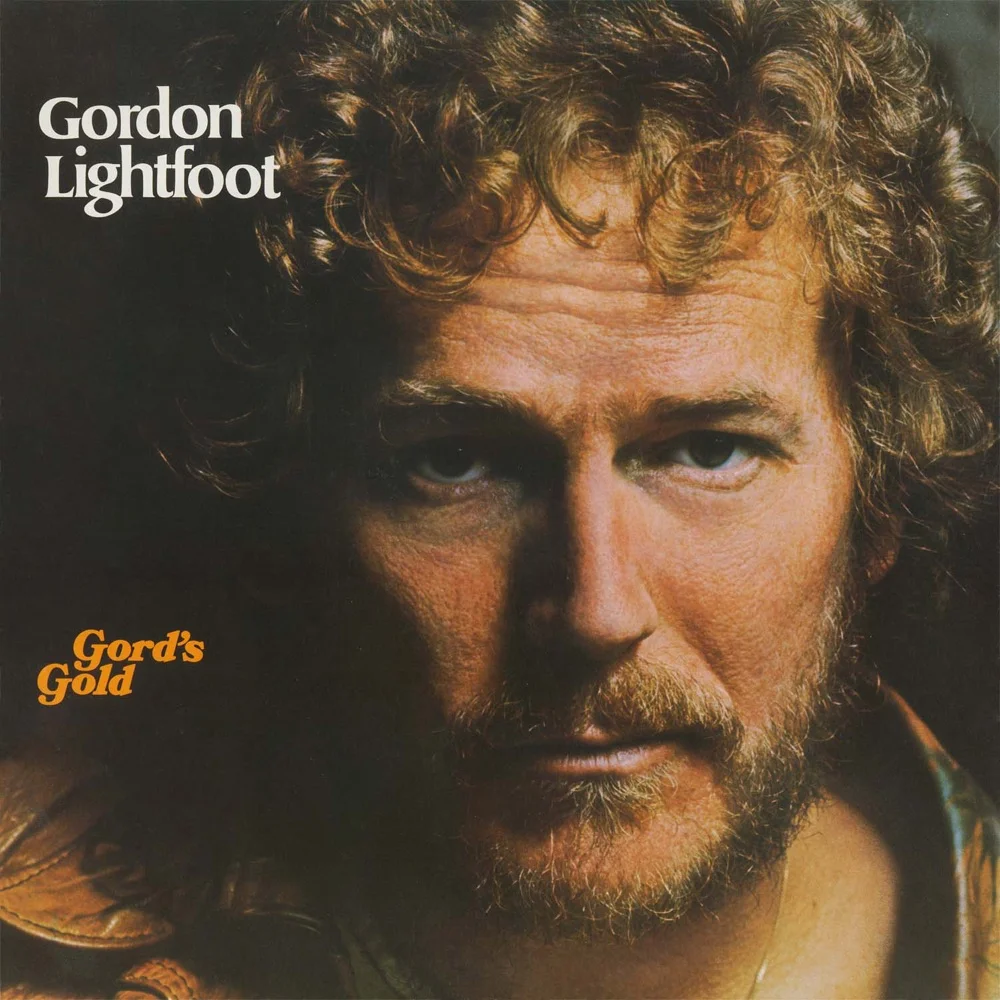
The "Cool" of the 70s Folk Era
Released in 1974, "Sundown" is Gordon Lightfoot's biggest hit and a masterclass in mood and restraint. Unlike power ballads that require massive belting, this song demands precision, groove, and a rich lower register. It captures a sinister, creeping feeling of jealousy that is conveyed through tone rather than volume.
To sing this well, you need to lock yourself into the rhythmic pocket of the acoustic guitar. The delivery should be conversational yet melodic, utilizing a chest-dominant sound that feels grounded and relaxed. Let's break down the technique.
Phase 1: The Verses (The Low End)
The verses sit low in the range, touching down to F2 and G2. If you are a Tenor, these notes might lack power. The key is to relax your jaw and chest.
The Technique: Don't push air to get the low notes; this creates vocal fry. Instead, rely on "chest resonance." Put your hand on your chest while singing "I can see her"—you should feel a strong vibration. Keep the vowels dark and rounded.
Phase 2: The Chorus (The Hook)
The chorus lifts slightly but stays well within a comfortable range. The hook "Sundown, you better take care" relies on the interval jump from the low tonic up to the D4.
- Sundown: Attack the word "Sun" cleanly. Avoid sliding into the note.
- Creepin' 'round: This requires a slight rhythmic syncopation. It mimics the "creeping" feeling of the lyrics.
- Backstairs: Keep the diction crisp here. The consonants act as percussion instruments in this track.
Phase 3: The Storytelling Vibe
Gordon Lightfoot is a storyteller. The song isn't about showing off range; it's about conveying a specific atmosphere. The dynamics should stay relatively flat—mezzoforte throughout—but the intensity comes from the diction and the "attitude" in the voice.
Avoid using heavy vibrato. A straighter tone fits the folk-rock genre much better and sounds more authentic to the 1974 recording style.