 Singing Coach AI
The Art of Simple Sincerity
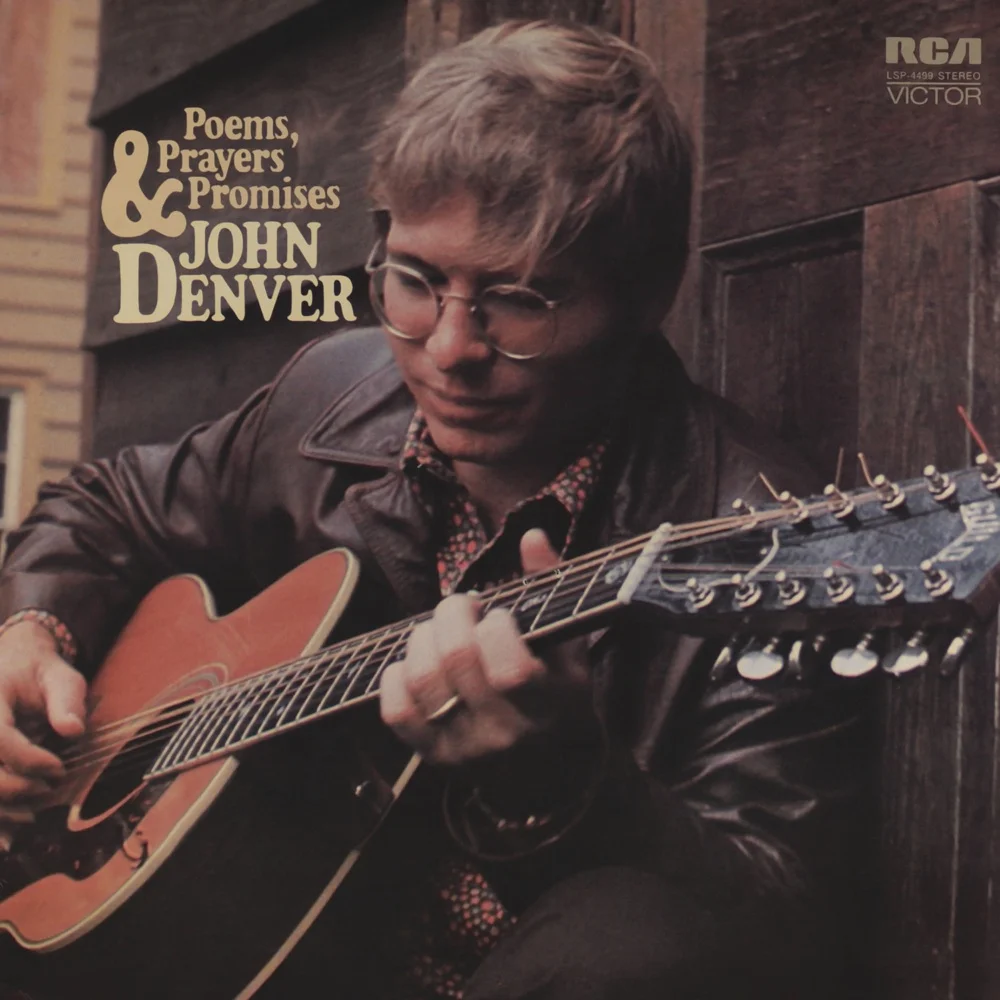
"Sunshine On My Shoulders" is the antithesis of a power ballad. Released on John Denver's 1971 album Poems, Prayers & Promises, this song demands vulnerability, not volume. It is a masterclass in legato singing—the art of connecting notes smoothly without gaps.
While the range is very accessible for most male and female singers, the challenge lies in the "tone color." You need a chest-dominant resonance that feels warm and sunny, without sounding heavy or aggressive. Let's break down the technique.
Phase 1: The Gentle Verse (0:00 - 0:50)
The song opens in B Major (often played with a Capo on the 2nd fret). The melody hovers around the lower mid-range. Your goal here is a "soft onset."
The Trap: Hitting the first word "Sunshine" too hard. Do not use a glottal stop (the click in your throat). Imagine the word starting with an 'H' sound—"Hunshine"—to get the air moving before the cords come together. This creates that signature John Denver breeziness.
Phase 2: The Chorus Lift (0:50 - 1:45)
As you move into "If I had a day that I could give you," the melody lifts slightly. This is not a belt; it is a swell.
- Resonance: Keep the vibration in your chest (sternum). If you move too much into your nose (mask resonance), it will sound too "twangy" for this folk style.
- Vowels: Keep vowels tall and round. "Day" should sound more like "Deh-ee" to avoid closing off the throat.
Phase 3: The Emotional Bridge (1:45 - End)
The song relies on repetition. To keep the listener engaged, you must vary your dynamics. By the time you reach the final choruses, you should be singing slightly louder (mezzo-forte) than the beginning, but with the same relaxed throat.
Focus on the lyrics. John Denver sold millions of records not because of vocal gymnastics, but because he believed what he was singing. Visualize the sunshine to color your tone.