 Singing Coach AI
The "Mount Everest" of Diction
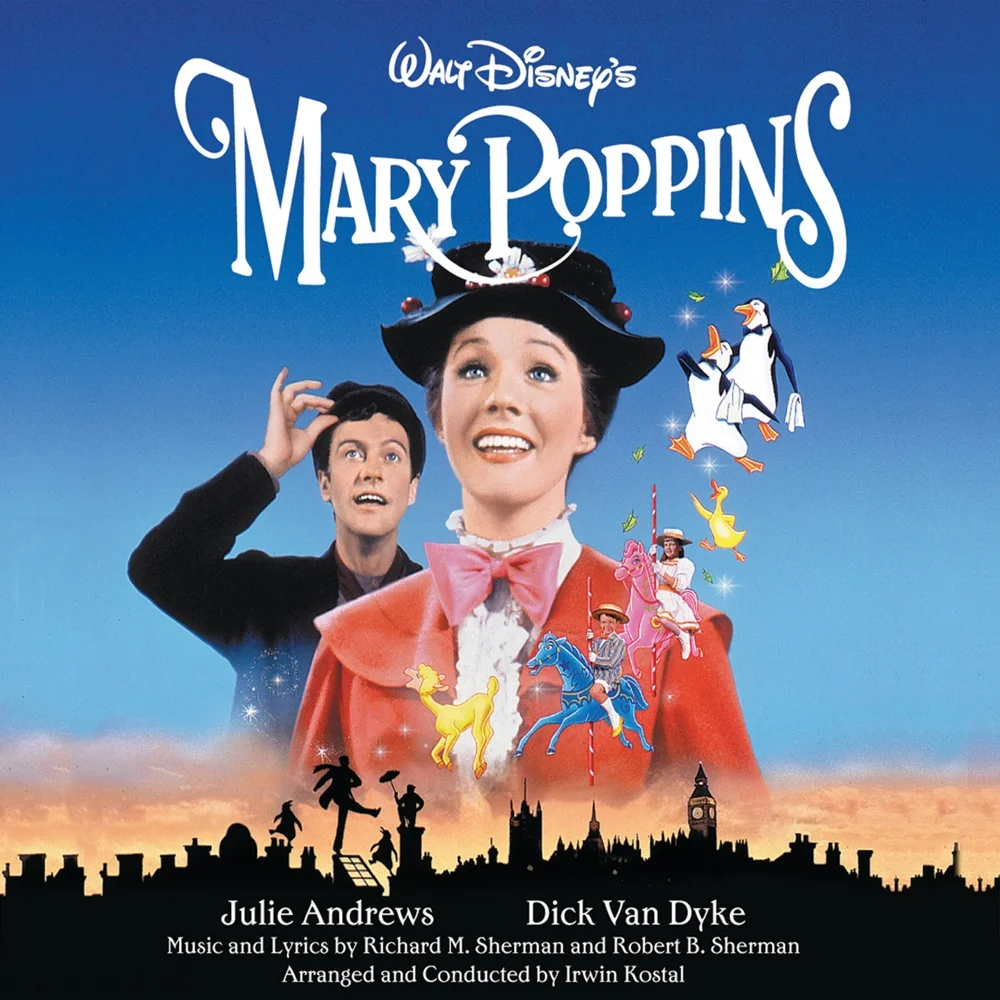
Supercalifragilisticexpialidocious is more than just a nonsense word; it is a masterclass in articulation and rhythmic precision. Composed by the Sherman Brothers for the 1964 Disney classic Mary Poppins, this song requires the singer to treat their tongue like a percussion instrument.
To sing this well, you cannot be lazy with your consonants. You need the crisp delivery of a stage actor, the breath capacity of an opera singer, and the ability to handle a tempo that constantly accelerates. Let's break down exactly how to tackle it, syllable by syllable.
Phase 1: The Verses (Character Work)
The song begins in Db Major with a "oom-pah" rhythm. The verses are conversational but pitched. Julie Andrews sings these with a "clipped" British accent—this isn't just an affectation; it actually helps with the speed.
The Trap: Getting too heavy. Keep your tone light and in your "mask" (forward placement). If you use too much chest weight, you will drag behind the beat.
Phase 2: The Acceleration (The Chorus)
This is where the song gets tricky. The tempo naturally accelerates as excitement builds. You must breathe deeply before the chorus begins because there are very few places to snatch a breath once you start the word itself.
- Su-per-cali: Attack the 'P' and 'C' sharply.
- Fragil-istic: Lighten the volume here to save air.
- Expi-ali: Ensure the 'A' in 'ali' is bright and lifted.
Phase 3: The Big Finish
The final repetition of the word is the fastest. Dick Van Dyke and Julie Andrews split harmonies here. If you are singing the melody, the final note lands on a sustained C5. Because you have been singing staccato (short notes) for 2 minutes, switching to a sustained belt requires a sudden engage of support muscles.
Don't shout the final note. Use "twang" to project it safely without straining your vocal cords after the rapid-fire rapping.