 Singing Coach AI
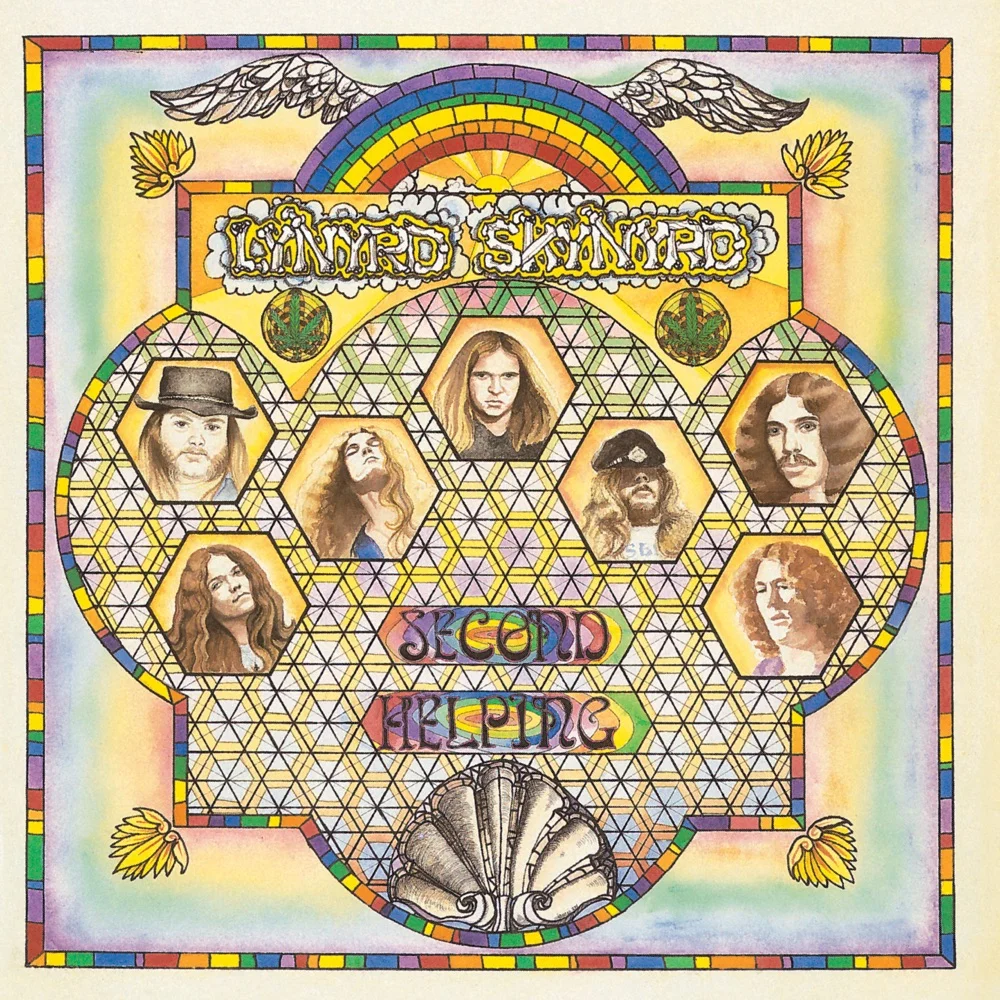
The Ultimate Southern Rock Story
Featured on Lynyrd Skynyrd's 1974 album Second Helping, "The Ballad of Curtis Loew" is a masterclass in vocal storytelling. Unlike the high-powered rock of "Free Bird," this song requires a grounded, conversational approach that pays tribute to the blues.
Ronnie Van Zant's delivery is all about authenticity. The technical challenge lies in maintaining a consistent chest resonance while navigating the blues scale in E Major, often sliding between notes to mimic the sound of the Dobro guitar.
Phase 1: The Verses (Story Mode)
The song begins in a comfortable range for most Baritones (E3 to B3). The goal here is to sound like you are speaking to an old friend.
The Trap: Don't sing it too "straight." Use a technique called back-phrasing, where you delay the start of a line slightly behind the beat to create a relaxed, laid-back feel. If you sing exactly on the grid, it will sound robotic.
Phase 2: The Chorus (The Belt)
The energy lifts for the chorus: "Play me a song, Curtis Loew, Curtis Loew." Here you need to engage your diaphragm. The melody touches a G#4, which is the "break" area for many male voices.
- "Play me a song": Approach this with a "hey!" shout coordination to keep the throat open but gritty.
- "Finest picking": Allow your voice to slide down on "picking" to match the guitar slide.
- Resonance: Keep the sound in your chest and mouth, avoiding a nasal placement which ruins the warm Southern tone.
Phase 3: The Blues Phrasing
Van Zant uses "vocal fry" at the beginning of phrases to add texture. This isn't damage; it's a stylistic choice. When he sings "Old Curt was a black man with white curly hair," he drops into the lower register with a gravelly texture.
To practice this safely, try gently groaning on a low note before engaging the vocal cord closure. This adds the necessary grit without straining the larynx.