 Singing Coach AI
The Masterclass in Slow Motion
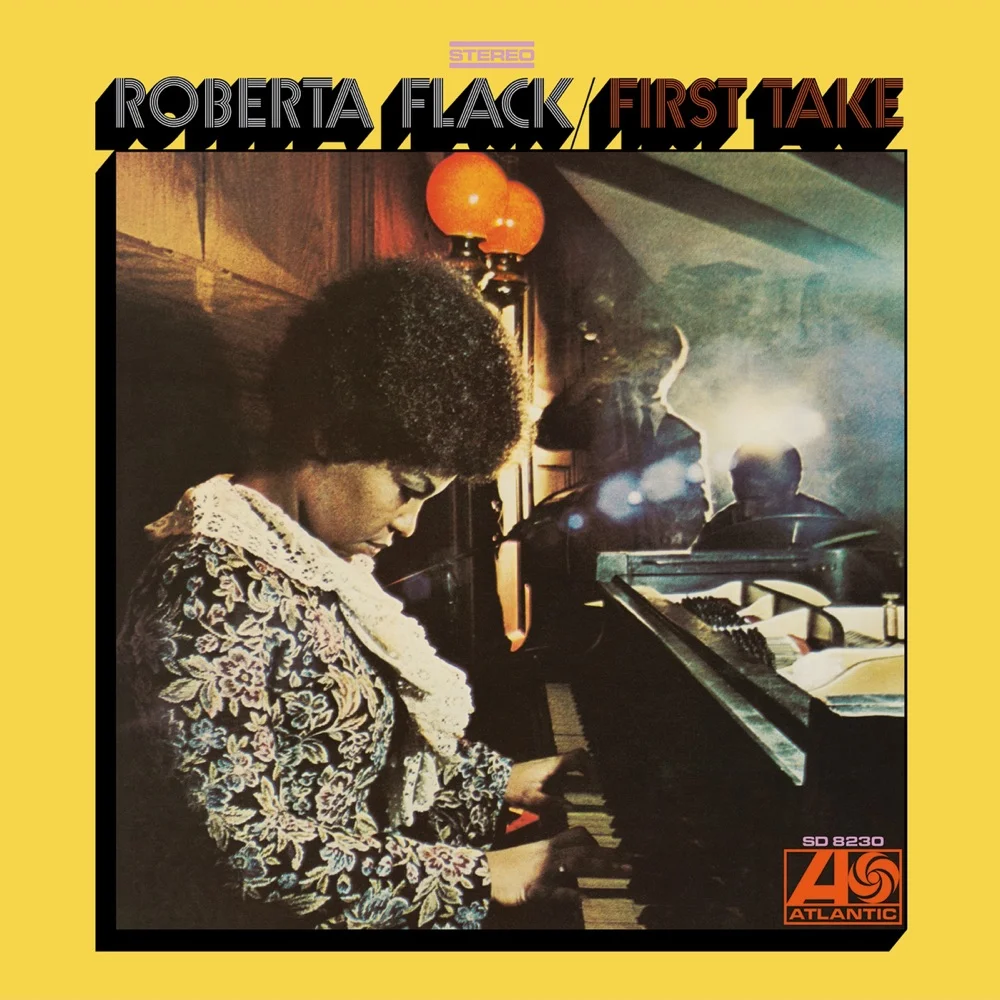
"The First Time Ever I Saw Your Face" is a deceptive challenge. Originally a folk song written by Ewan MacColl, Roberta Flack transformed it into a slow-burning soul masterpiece for her debut album First Take. The track is famous for its rubato feel and extremely slow tempo, which exposes every single nuance of the singer's voice.
Unlike power ballads that rely on high notes and belting, this song relies on sustain, control, and tone color. There is nowhere to hide. If your pitch wavers or your breath runs out, it will be immediately audible. Let's break down the technique required to sing it beautifully.
Phase 1: The Intro & Verse (Control)
The song begins in E Major with a gentle piano accompaniment. The entry "The first time ever I saw your face" must be delivered with a mix of breathiness and core tone. It should sound intimate, as if you are whispering to someone close by.
The Trap: Because the tempo is so slow, singers often rush the melody. You must sit on the back of the beat. Use the Singing Coach AI visualizer to ensure you aren't anticipating the lyrics too early.
Phase 2: The Crescendo (Dynamics)
As the song progresses to the line "To the dark and the endless skies," the dynamics must shift. You need to move from piano (soft) to mezzo-forte (medium loud).
- Vowel Shaping: Open your mouth taller on words like "dark" and "skies" to allow for more resonance without straining the throat.
- Vibrato: Use a straight tone at the beginning of the held notes, and allow vibrato to bloom at the very end. This creates that classic Roberta Flack soul sound.
Phase 3: The Emotional Peak
The line "And the last time ever I saw your face" is the emotional climax. It brings the song full circle. It is often sung slightly softer than the bridge, filled with nostalgia and perhaps sadness.
Maintain a consistent chest resonance here. Even though it is soft, it needs to feel grounded. If you switch to a thin head voice too abruptly, you lose the emotional weight of the lyrics.