 Singing Coach AI
Mastering the "Spoken Soul" Style
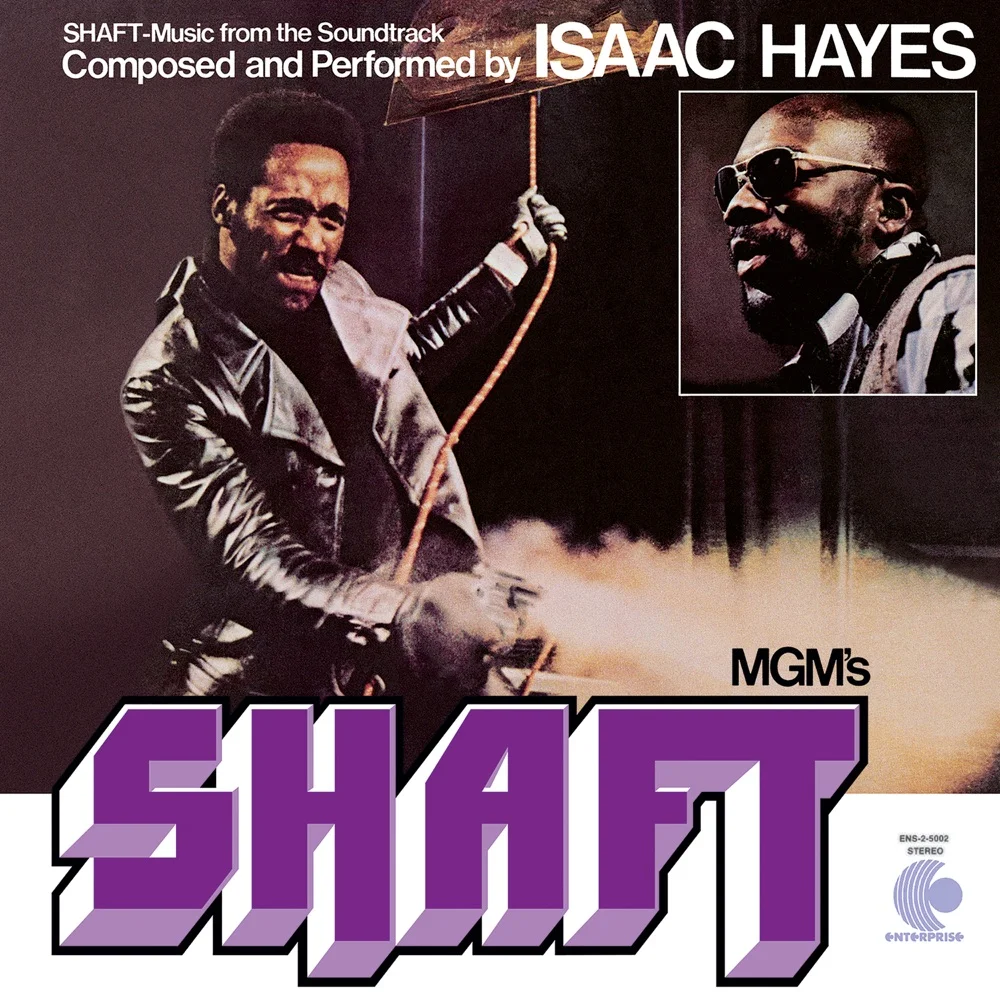
Isaac Hayes changed the landscape of film music and soul with "Theme From Shaft" in 1971. While the song is famous for its wah-wah guitar and lush orchestration, the vocal performance is a masterclass in "Sprechgesang"—a technique halfway between speaking and singing.
Unlike a traditional ballad, you aren't trying to hold long, sustained notes. The challenge here is rhythmic precision, timbre (tone color), and interactions with the backing vocals. You must be cool, authoritative, and perfectly in the pocket.
Phase 1: The Entrance (2:40 onwards)
The song has a very long instrumental intro. When you finally come in, you need immediate presence. The line "Who's the black private dick that's a sex machine to all the chicks?" isn't shouted; it is stated.
Rhythmic Precision: Hayes sings slightly behind the beat (layback). If you are too eager and rush the delivery, you lose the "cool" factor. The AI tracks your onset time to ensure you aren't rushing.
Phase 2: The Call and Response
The structure relies heavily on the "Gospel" tradition of call and response. The female backing singers (Telma Hopkins and Joyce Vincent Wilson) provide the melody ("Shaft!"), and your job is to respond.
- "Right On": This needs to be punchy and percussive.
- "Can You Dig It?": This is the catchphrase. Pitch inflection should go up at the end, inviting the listener in.
- "Shut Your Mouth!": This is an interruption. Timing is everything here—you must cut off the backing vocals instantly.
Phase 3: The Deep Chest Voice
The song sits in the G Major key, but the vocal line hovers around G2 to D3. This is prime territory for Basses and Baritones.
If you are a Tenor, do not try to force your voice down by pushing your chin into your neck. Instead, speak softly and allow vocal fry (that creaky sound) to help you access the lower frequencies without strain.