 Singing Coach AI
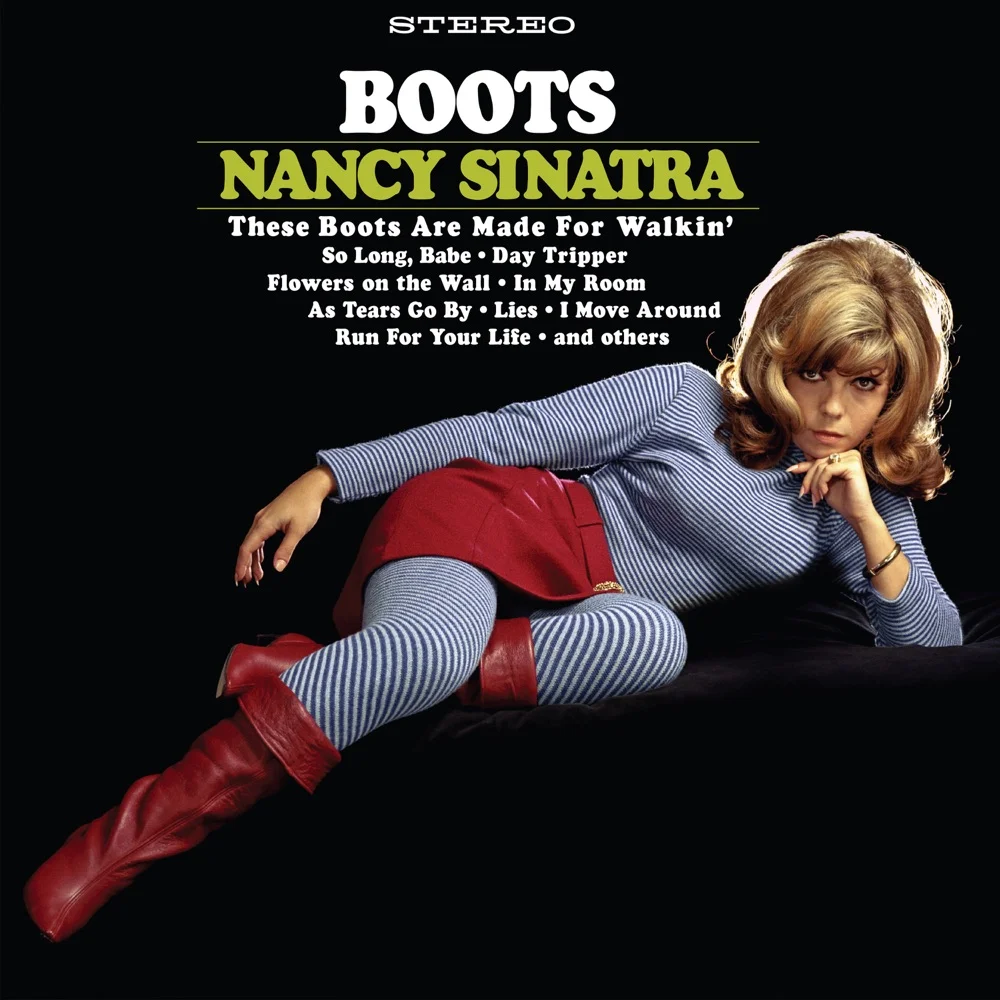
The Ultimate "Attitude" Anthem
Written by Lee Hazlewood, These Boots Are Made For Walkin' requires a very specific approach. Unlike high-energy pop ballads that rely on belting, this song relies almost entirely on "cool." The vocal delivery sits squarely in the lower register, demanding a rich chest voice and impeccable timing.
To score high on Singing Coach AI with this track, you need to resist the urge to "sing" in a traditional melodic sense. It is closer to Sprechgesang (speak-singing). The goal is to sound bored, dangerous, and confident all at once.
Phase 1: The Verses (The Low Range)
The verses descend chromatically, following the iconic bass line. You will be singing lines like "You keep saying you've got something for me." This sits in the A3-G3 range.
The Trap: When singing this low, many female voices lose power and become breathy (fry). Try to keep your vocal cords connected. Think of speaking to someone in a noisy room—project, but keep the pitch low.
Phase 2: The Build-Up
As you approach the chorus ("These boots are made for walkin'..."), the melody lifts slightly. This is where you can inject a bit more "bite" or "twang" into your voice. However, keep the rhythm strict. Do not drag the beat; the song drives forward relentlessly.
Phase 3: The Fade Out
The ending features ad-libs ("Are you ready, boots? Start walkin'!"). This is pure acting. The AI looks for rhythmic precision here. The "Ha!" exclamations should be short and percussive. Treat your voice like part of the drum kit.