 Singing Coach AI
The Art of the Jazz Duet
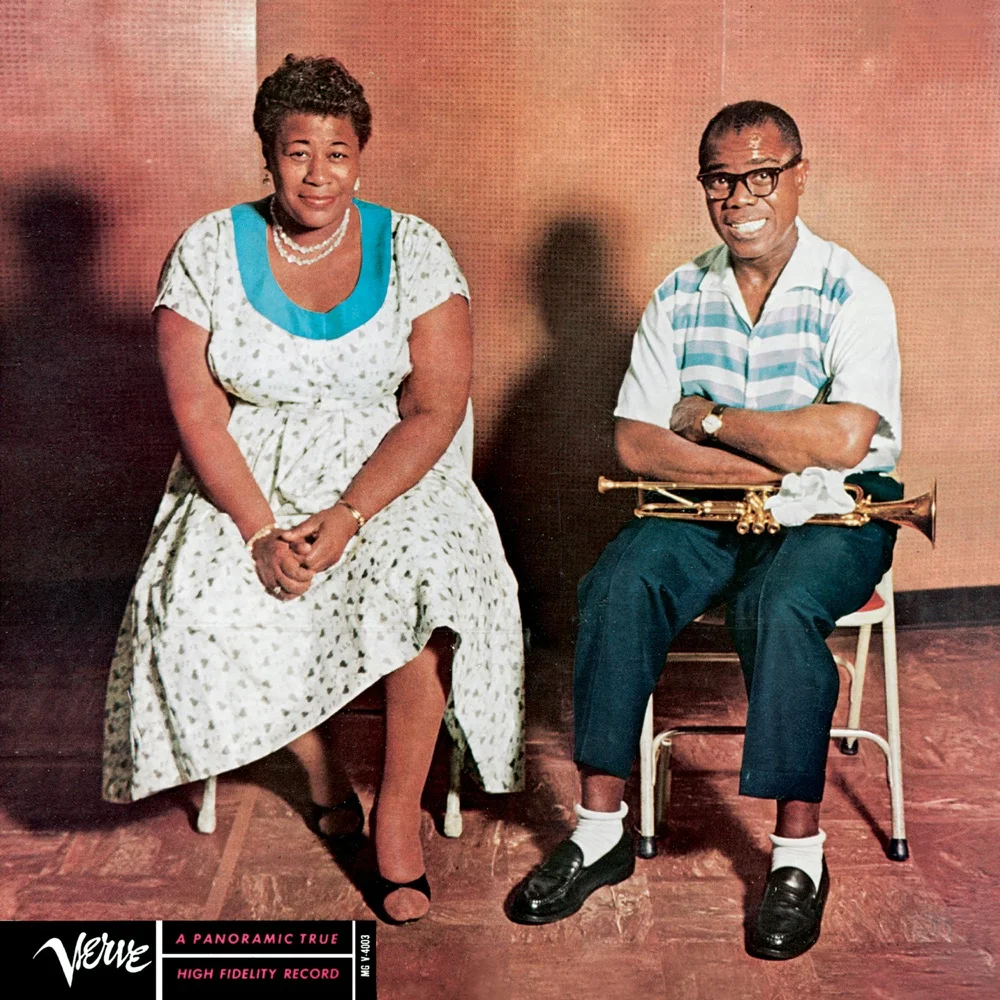
Recorded for the legendary 1956 album Ella and Louis, this Gershwin standard is a masterclass in vocal chemistry. Unlike pop power ballads, the difficulty here isn't about hitting high notes—it's about "feel." The song requires a relaxed, behind-the-beat swing and a warm, conversational tone.
Whether you are singing Ella's smooth opening verse or Louis's gravelly response, the goal is to sound effortless. Let's break down how to capture that timeless charm without sounding like you are trying too hard.
Phase 1: Ella’s Smooth Approach (The Verse)
Ella Fitzgerald creates a "smile" in her voice. The key is consistent airflow without tension. When she sings "The way you wear your hat," she uses a light, breathy chest voice.
The Technique: Maintain a neutral larynx. Do not push for volume. Think of the microphone as a person's ear you are whispering into. This intimacy is what defines the track.
Phase 2: Louis’s Character (The Response)
When Louis Armstrong enters, the texture shifts completely. His voice is raspy, deep, and rhythmic. He treats his voice almost like a trumpet—very percussive with his diction.
- Articulation: Louis emphasizes consonants. " The way you sip your tea" is almost spoken rather than sung.
- Resonance: To mimic this safely without hurting your throat, focus on chest resonance rather than throat constriction. Keep the sound low and grounded.
Phase 3: The Blend
The magic happens when the voices intertwine. The challenge is balancing the purity of Ella’s tone with the grit of Louis’s. If you are singing this solo, you can choose to adopt one persona or switch between them to show vocal versatility.
Pay attention to the "tag" or ending. The harmonies in the coda require a good ear for jazz intervals (often 6ths and 9ths) rather than standard pop 3rds.