 Singing Coach AI
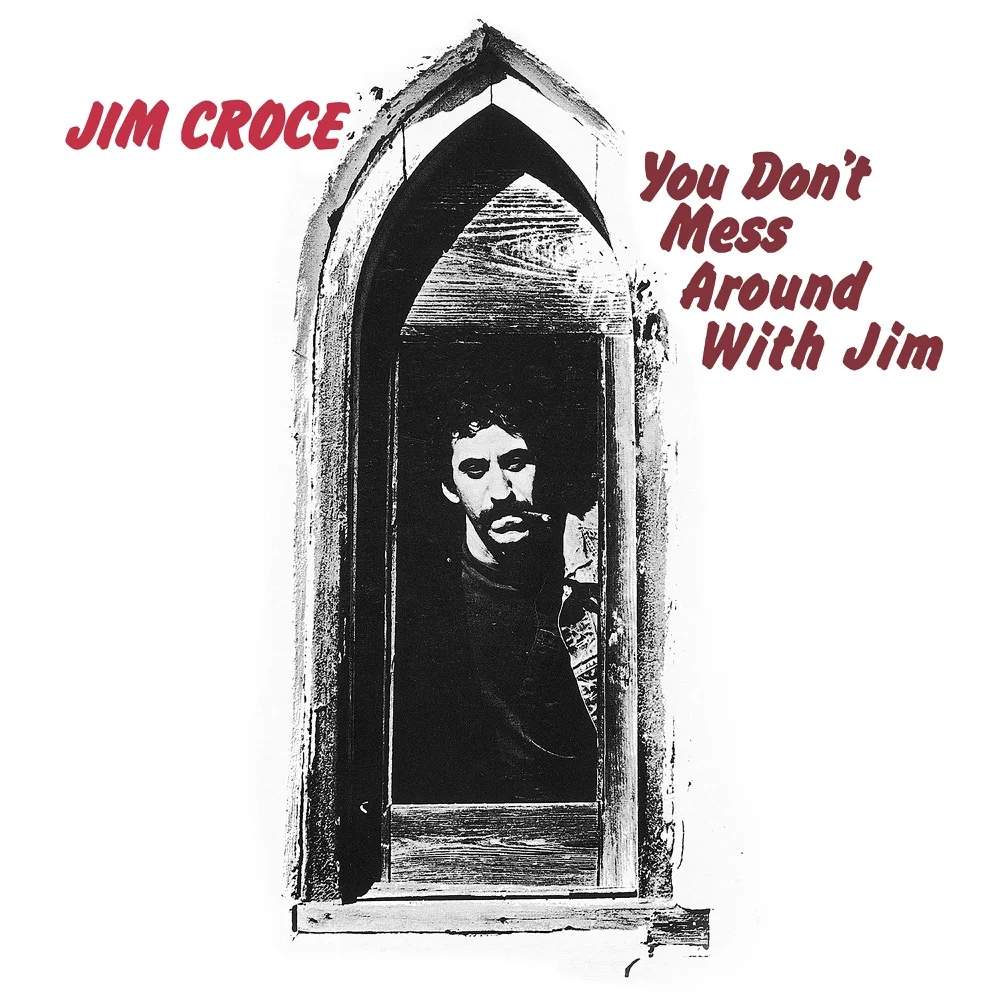
The Masterpiece of Soft Storytelling
"Time In A Bottle" is a lesson in intimacy. Written by Jim Croce for his unborn son A.J. in 1970, and popularized posthumously in 1973, this track relies on a gentle, conversational vocal style. Unlike high-energy rock songs, the challenge here isn't range—it's vulnerability.
To sing this well, you must master the "soft attack." Your vocal cords need to come together gently to create a tone that feels like a whisper but carries a pitch. Let's break down exactly how to tackle it, section by section.
Phase 1: The Minor Verses
The song begins in D Minor with a descending bassline. The entry "If I could save time in a bottle" sits low in the range (around A2-D3). This is comfortable for Baritones.
The Trap: Because the melody is simple, singers often get lazy with diction. Jim Croce had very precise enunciation. Make sure you articulate the ends of words, especially on "bottle," "again," and "save."
Phase 2: The Major Lift (Chorus)
This is the emotional core of the song. The key modulation to D Major on "But there never seems to be enough time" lifts the mood from melancholic to hopeful and urgent.
- Resonance Shift: Move the sound slightly more "forward" into the mask of the face to brighten the tone for the major key.
- Breath Support: The phrases in the chorus are longer. Take a full, low breath before the line starts so you don't run out of air on "do the things you want to do."
- Vibrato: Use a delayed vibrato. Hold the note straight first, then let the vibrato come in at the very end of the phrase.
Phase 3: The High Note
The highest note in the main melody is a D4 on the word "time" in the chorus. While this isn't high by pop standards, it must be sung delicately. Do not belt this note. Keep your larynx neutral and think of the note floating up, rather than pushing it out.