 Singing Coach AI
The "Mount Everest" of Falsetto
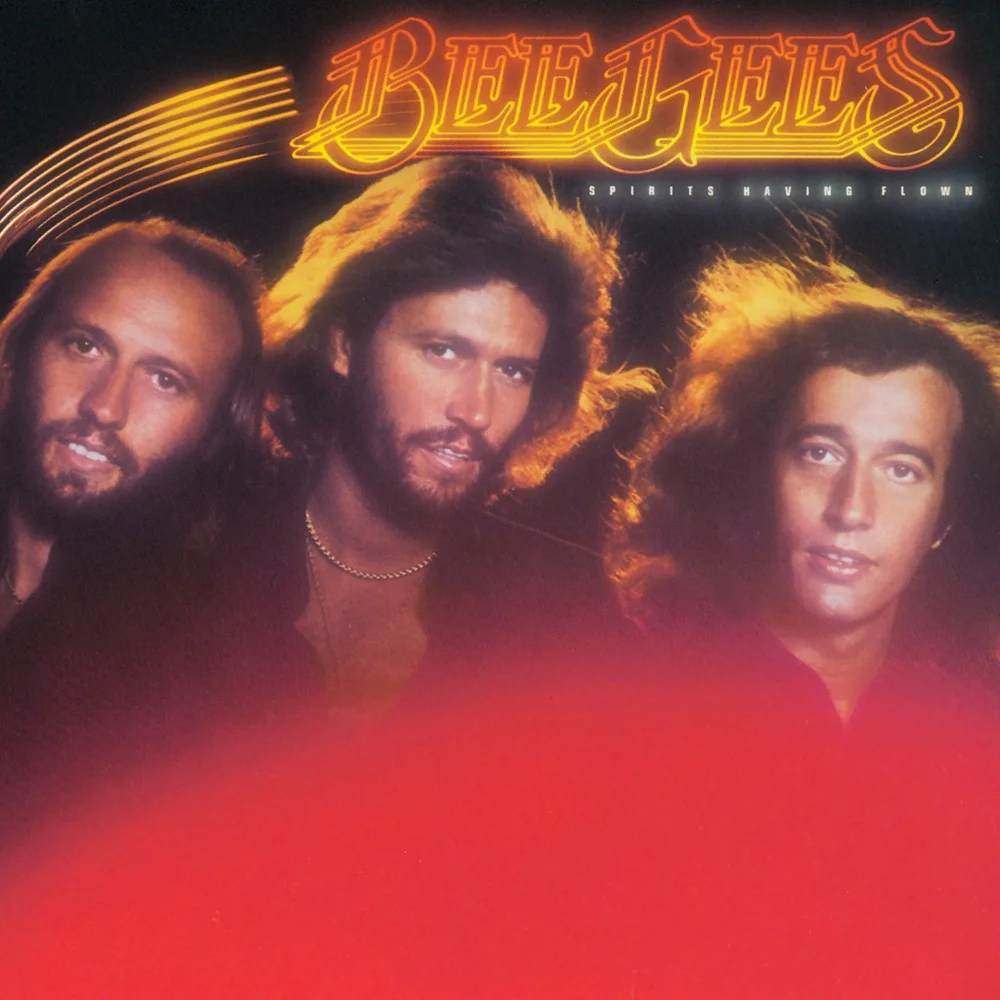
"Too Much Heaven" is a masterclass in R&B vocal stylings, released by the Bee Gees in 1978 for the Music for UNICEF Concert. Unlike standard pop songs that mix chest and head voice, this track resides almost exclusively in the upper register. Barry Gibb's performance defines the modern pop falsetto.
To sing this well, you must abandon the heavy "push" of rock or belt vocals. You need a consistent stream of air, a relaxed jaw, and a forward placement that resonates in the "mask" of your face. Let's break down exactly how to float through this track.
Phase 1: The Verses (0:45 - 1:30)
The verses ("Oh I love you, so much more...") require a tender, intimate delivery. While the notes are high, the volume should be kept at a medium-soft level. Do not attack the start of the words.
The Trap: As you sing higher notes in falsetto, the natural tendency is to get louder. Keep your dynamics controlled. Think of "sighing" the notes out rather than forcing them.
Phase 2: The Chorus Harmonies (1:30 - 2:15)
This is the signature Bee Gees sound. The melody is actually a tight harmony stack. The lead vocal sits in a very bright part of the voice.
- Vowel Shaping: Keep vowels tall and narrow. A wide mouth shape will cause the falsetto to sound thin and shrill.
- Legato: Connect every word. "Nobodygets-toomuch-heaven" should feel like one long ribbon of sound.
- Pitch Accuracy: The harmonies are close. The AI Coach will detect if you are drifting into the minor second intervals of the backing track.
Phase 3: The Bridge Dynamics (3:10 - 3:45)
The bridge offers a moment to swell emotionally. You can add a slight "cry" to the voice here to emulate Barry's emotive style. This is done by slightly lowering the larynx while maintaining the high pitch.
Ensure you do not flip into chest voice for the lower notes at the end of phrases; keep the tone light and heady to maintain the song's ethereal atmosphere.