 Singing Coach AI
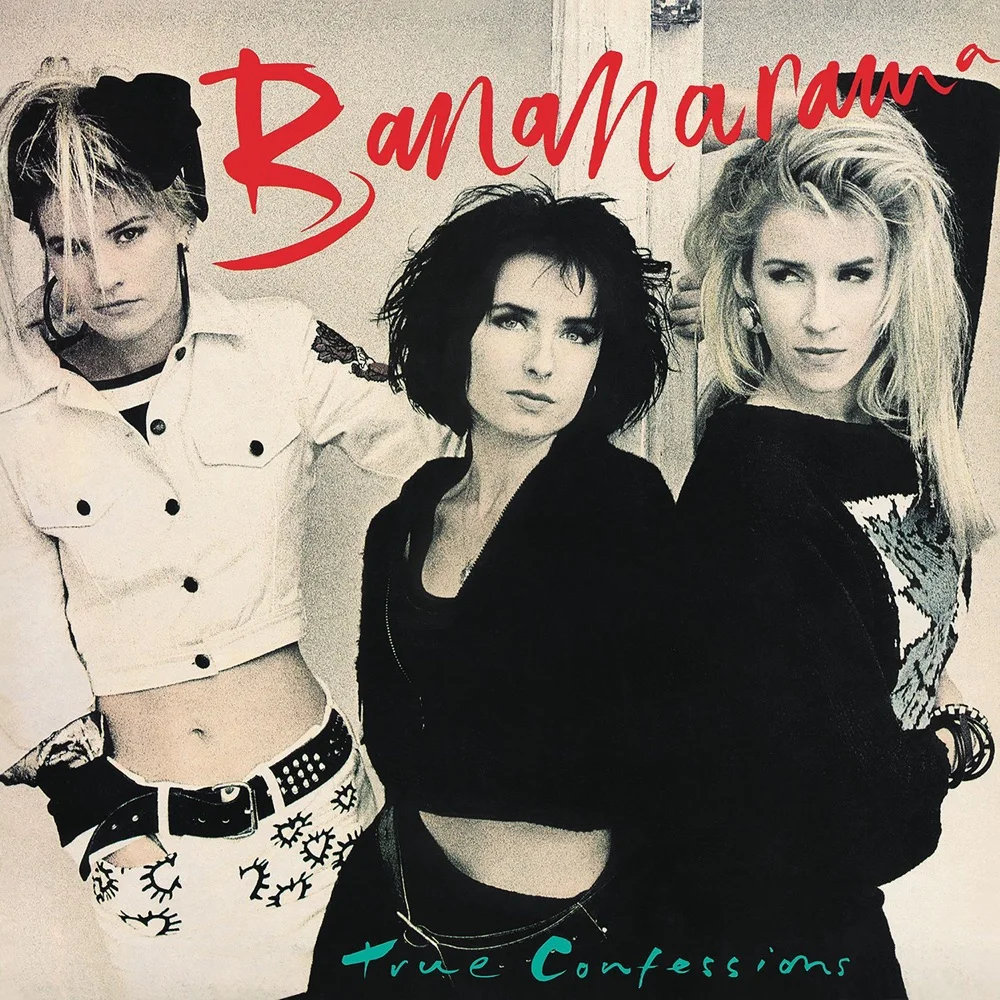
The Ultimate 80s Hi-NRG Anthem
Released in 1986, Bananarama's cover of "Venus" transformed a 60s rock track into a global dance-pop phenomenon. Produced by the legendary Stock Aitken Waterman, this track demands high energy, rhythmic precision, and a lot of attitude. It topped the charts in the US and defined a generation of dance music.
Unlike ballads that require delicate vibrato, "Venus" is about power and unison singing. You need to keep your vocal placement forward and bright to cut through the heavy synthesizers and drum machines. Let's break down how to capture that "Goddess on the mountain top" sound.
Phase 1: The Verses (Low & Punchy)
The verses sit in a lower, more comfortable range for Alto and Mezzo singers. The key here is not just hitting the notes, but delivering them with a "spoken" quality. It shouldn't sound pretty; it should sound cool and detached.
The Trap: Many singers lose energy here waiting for the chorus. Keep the intensity simmering. When you sing "Goddess on the mountain top," visualize projecting your voice to the back of a club.
Phase 2: The Chorus (The Hook)
The chorus ("I'm your Venus, I'm your fire") is sung in unison. This means Bananarama sang the same melody together rather than harmonizing. To replicate this effect solo, you need unwavering pitch stability.
- Placement: Use "twang" (narrowing the epiglottic funnel) to make your voice sound brighter and more piercing.
- Breathing: This section is repetitive. Snatch quick breaths between lines to avoid running out of air before the word "desire."
Phase 3: The "Fire" Belt
On the line "At your desire," the vocal melody pushes up. Ensure you are supporting from your diaphragm. Do not tighten your neck muscles. The word "Fire" should explode out, but it must be controlled. If you feel a tickle in your throat, you are pushing too hard—try adding more airflow instead of muscle tension.