 Singing Coach AI
The Ultimate Coming-of-Age Anthem
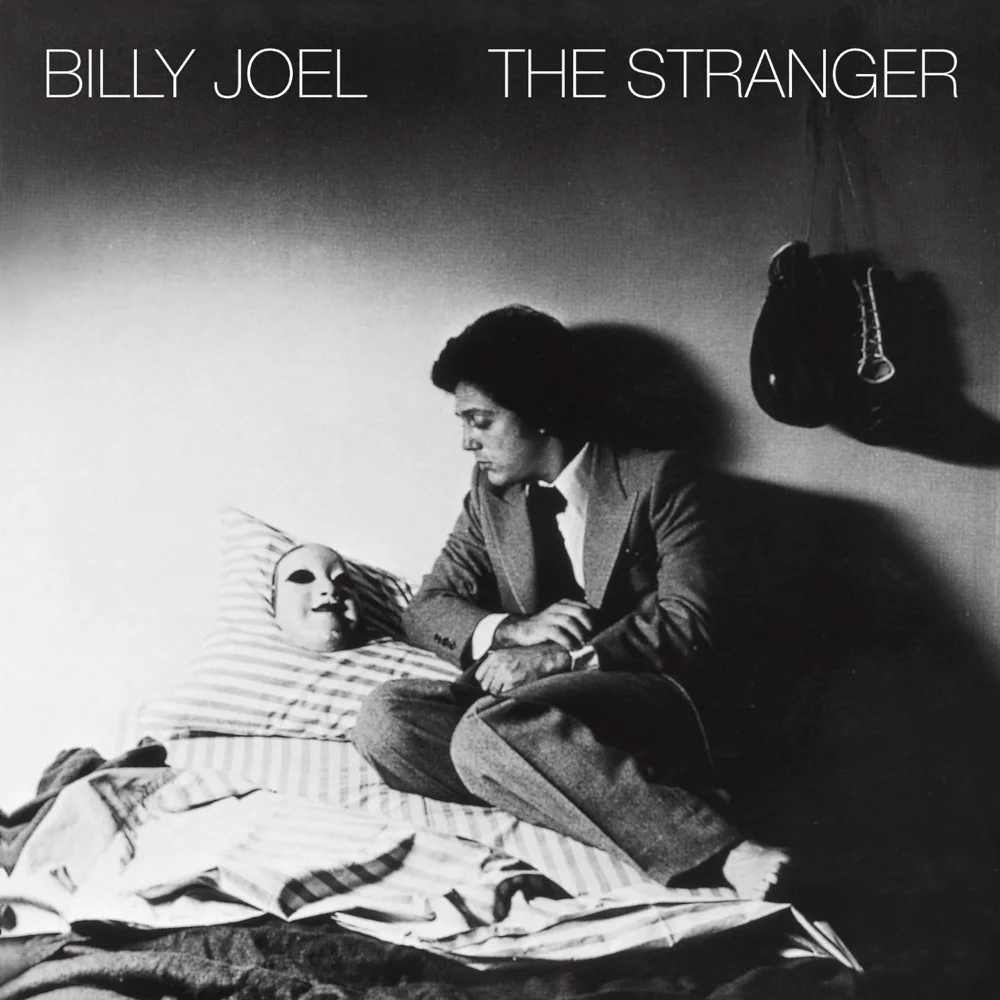
Vienna is widely considered one of Billy Joel's masterpieces. Released on the 1977 album The Stranger, it combines elements of soft rock, jazz fusion, and European cabaret. Unlike many pop songs of the era, it relies heavily on rubato and emotional storytelling rather than sheer vocal power.
To sing this well, you need to channel a "wise mentor" persona. The lyrics are a conversation, urging patience. The vocal challenge lies in the lower register control and the smooth transitions into the bridge.
Phase 1: The Verses (Low & Conversational)
The song starts in a comfortable speaking range. The opening line "Slow down you crazy child" dips down to F2. For Baritones, this is a sweet spot. For Tenors, you need to ensure you have enough chest resonance so the voice doesn't sound thin.
The Technique: Keep the volume at a mezzo-piano. Focus on clear diction but rounded vowels. Imagine you are speaking to a friend in a quiet room.
Phase 2: The Bridge (Building Tension)
The section beginning with "But you know that when the truth is told..." sees the melody ascend. The intensity builds here. You need to increase your breath support to maintain the longer phrases without gasping for air.
- "You can get what you want": Keep the placement forward to cut through the piano accompaniment.
- "You're just old": Avoid shouting this note. Use a "cry" vocal quality to add emotion without strain.
Phase 3: The Chorus Hook
The hook "Vienna waits for you" is the emotional release of the song. The word "Vienna" sits in a transitional part of the voice for many men. Keep the jaw loose and modify the vowel slightly towards "Uh" (Vi-uh-nna) to keep the larynx neutral and avoid tension on the higher notes.
The final belt reaches a G4 on "crazy" in the later sections. Use a mix voice here; don't pull pure chest voice up or you will go flat.