 Singing Coach AI
A Masterclass in Sincerity
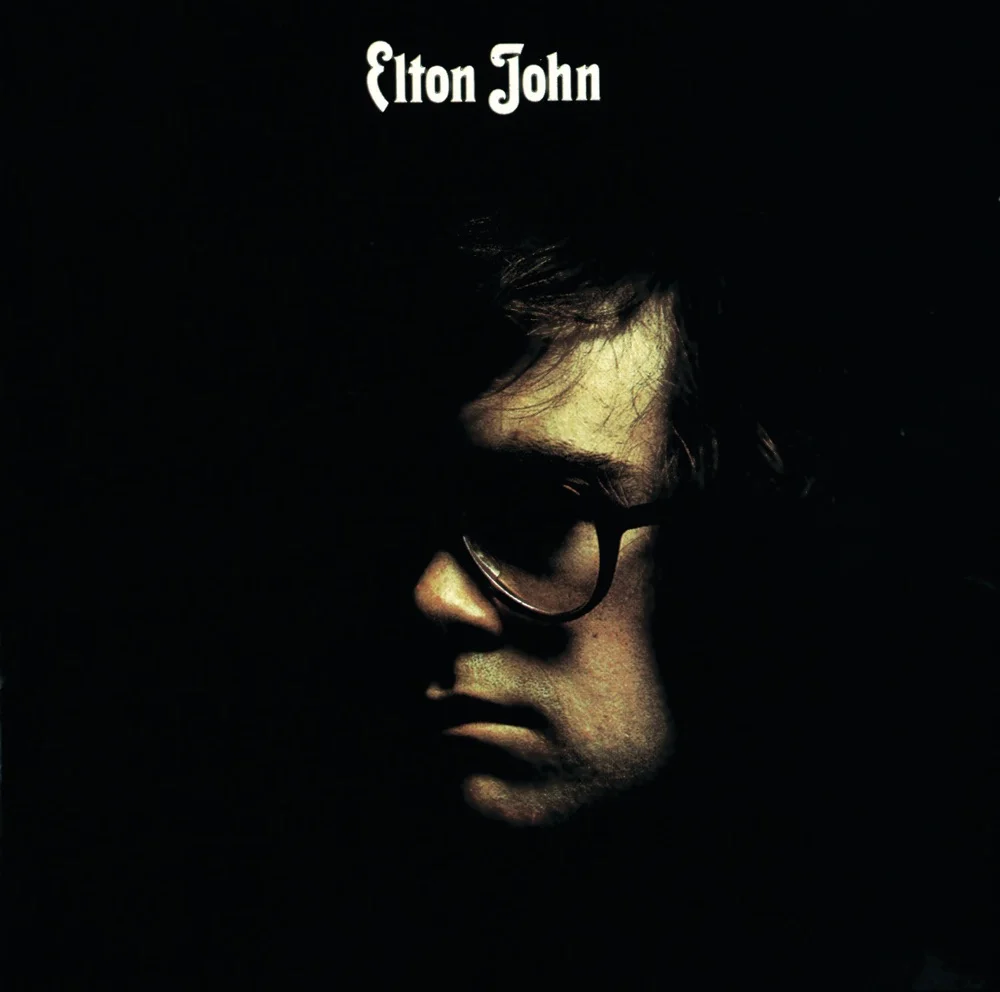
"Your Song" is widely considered one of the greatest pop ballads ever written. Released on Elton John's self-titled 1970 album with lyrics by Bernie Taupin, it is defined by its innocent, conversational delivery. Unlike power ballads that rely on belting, this song relies on storytelling.
To sing this well, you must resist the urge to show off. The beauty lies in the simple, almost spoken-word rhythm of the verses compared to the soaring warmth of the chorus. Let's break down exactly how to tackle it, section by section.
Phase 1: The Verses (0:00 - 0:45)
The song begins in Eb major. The opening line "It's a little bit funny, this feeling inside" should be sung with a chest voice that feels like talking. The range is low and manageable.
The Trap: Singers often try to add too much vibrato here. Keep the tone straight and simple. Think of it as a confession to a friend in a quiet room.
Phase 2: The Chorus Lift (0:46 - 1:15)
This is the emotional center of the song. As you ascend to "I hope you don't mind," you need to open your throat and allow more air flow. The transition from the verse to the chorus should feel like a release of tension.
- "I hope you don't mind": Maintain a warm chest resonance. Don't pinch the sound.
- "Put down in words": Watch your diction. Elton enunciates clearly but softens the consonants to keep the legato flow.
- "How wonderful life is": This line descends. Ensure you don't lose energy as the pitch drops.
Phase 3: Technical Nuance
While not a high range song, there are moments where Elton flips into a light mix or falsetto for emphasis, particularly in later verses or ad-libs. The highest note (Bb4) is often touched lightly rather than belted aggressively.
To master this, practice your "mix voice"—blending your chest and head resonance so the break in your voice disappears. This allows you to navigate the bridge smoothly.