 Singing Coach AI
The Art of Conversational Singing
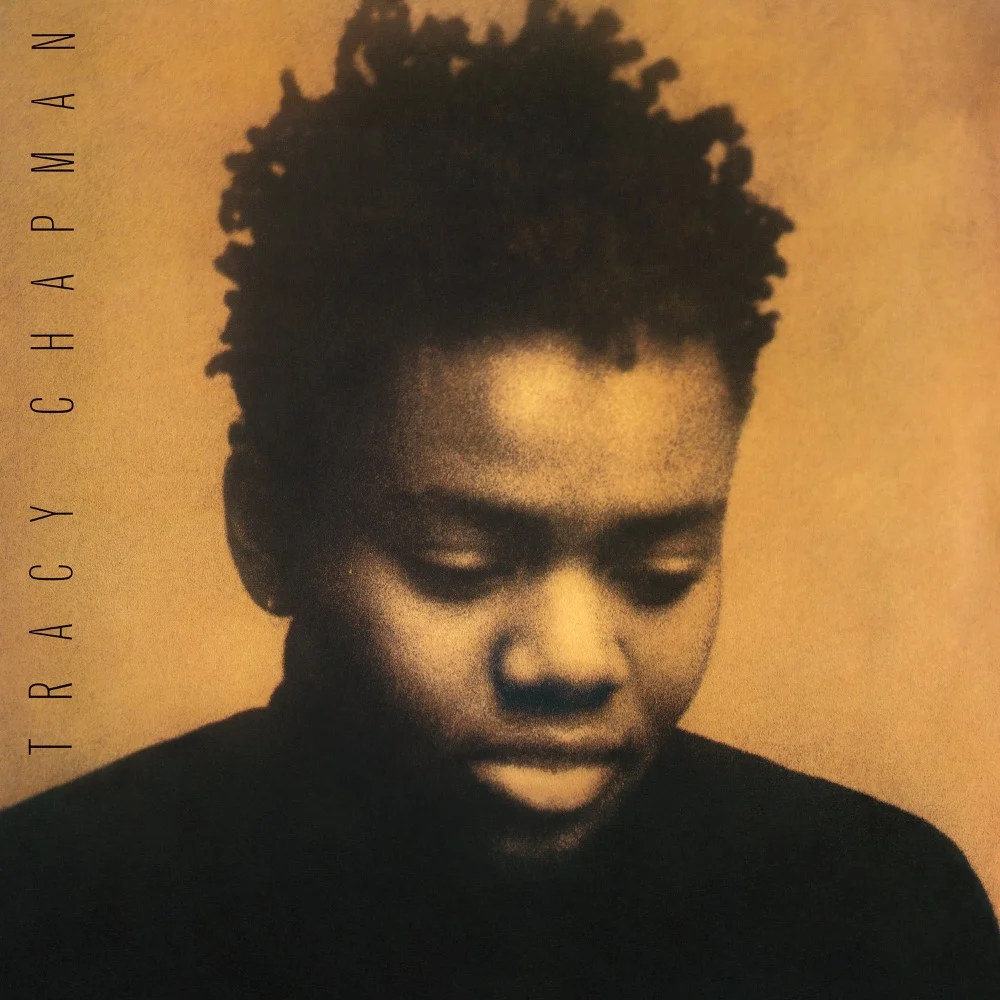
Released in 1988 on her self-titled debut album, Baby Can I Hold You is a masterclass in understated emotion. Unlike power ballads that rely on high belts and vocal gymnastics, Tracy Chapman delivers this song with a raw, conversational honesty that sits low in the register.
To sing this well, you need excellent breath control and a warm, resonant chest voice. The challenge isn't hitting high notes; it's delivering the fast-paced lyrics ("Sorry is all that you can't say...") with clarity and genuine feeling without sounding rushed.
Phase 1: The Verses (Low & Rhythmic)
The song starts in D Major. The verses sit in the lower part of the range (D3 - G3). For many female singers, this is quite low. To project here without pressing your chin down, keep your neck neutral and feel the vibration in your chest.
The Trap: Because the lyrics are spoken-sung, it's easy to go flat on the pitch. Ensure you are actually singing the notes, not just speaking them.
Phase 2: The Chorus (The Emotional Lift)
When the chorus arrives ("Baby can I hold you..."), the melody lifts slightly, but stays grounded. The dynamics should increase from mezzo-piano to mezzo-forte. This section relies on a warm, enveloping tone. Avoid a bright, "twangy" sound; keep the vowels round and dark.
- "Baby": Attack this word gently. Don't punch it.
- "Tonight": Make sure to hold the note for its full value. Don't clip the end of the phrase.
Phase 3: The Bridge (Dynamics)
The bridge ("Maybe if I told you...") provides the emotional peak of the song. The melody climbs to A4, the highest note in the main vocal line. While this isn't incredibly high, it needs to feel consistent with the low notes that came before it.
Focus on emotional authenticity. Tracy Chapman's performance is legendary because it feels vulnerable. Don't over-sing or add too many runs/riffs. Simple is better.