 Singing Coach AI
Tracy Chapman’s vocal range: D3–D5 (contralto)
Folk’s warmest and most understated contralto voice. Tracy Chapman’s range is commonly cited as roughly D3 to D5, about 2 octaves. Estimates are compiled from studio recordings and live performances, so treat the exact edges as approximate.
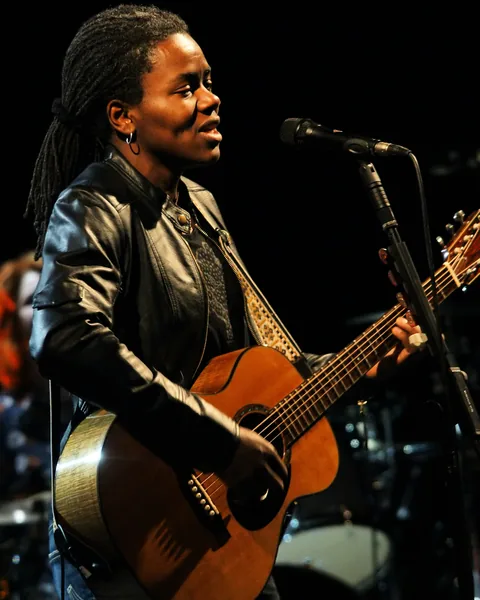
Tracy Chapman’s commonly cited range on the keyboard
Wondering how your voice compares? Take the free vocal range test. It takes about a minute, right in your browser.
The voice
Tracy Chapman is a contralto, one of the few true ones in popular music, with a commonly cited range of roughly D3–D5. The voice is warm, dark and slightly husky, with a slow vibrato and a way of sitting on the note that feels closer to speech than to singing. What makes it recognisable is the restraint: no runs, no showy top notes, just a steady, resonant tone that makes the lyric of Fast Car land like a conversation. It is a voice that many altos and even lower male voices can shadow comfortably in the same octave.
Her songs are among the most approachable in this collection, and the difficulty is in doing very little, well. Fast Car sits between about E3 and A4 and repeats the same shapes for five minutes, so pitch stability and evenness of tone are everything. The common mistake is adding vibrato or ornaments to keep it interesting; the interest comes from the words. Practical tip: sing the verses of Baby Can I Hold You on a comfortable, low breath and aim for the same tone colour on every note, only lifting the volume slightly for the chorus.
Range moments worth studying
Fast Car
Listed at E3 to A4 in A major; the verses stay low and even, and the chorus lifts only to around A4, so the emotion carries the song rather than the range.
Give Me One Reason
A blues shuffle spanning roughly E3 to C#5, her highest common top note, with room to add a little grit on the repeated chorus line.
Baby Can I Hold You
Sits around D3 to A4, with long, quiet phrases that reward smooth breath control.
Talkin’ Bout a Revolution
A brisk, G-major protest song between about G3 and B4; the whole melody fits inside a tenth.
Sing Tracy Chapman’s songs with feedback
Every song below has a full guide on this site: the range, the key, where the hard notes are, and how to practise them. Open one, then record it in the app to hear how close you are.
Can you sing it?
Contraltos, mezzos and tenors or baritones singing the same octave will find her catalogue very comfortable; start with Fast Car (E3–A4) or Baby Can I Hold You (D3–A4). A range label only tells you the edges. Whether a song feels good depends on where its melody sits. The Singing Coach AI app listens to you sing real songs, maps your range and tessitura, and tells you which keys and songs actually fit your voice, including whether Tracy Chapman’s catalogue is in reach today.
FAQ
What is Tracy Chapman’s voice type?
How many octaves can Tracy Chapman sing?
Can a beginner sing Tracy Chapman’s songs?
Voices in the same neighbourhood
Singers whose cited range and voice type sit closest to Tracy Chapman’s. If one of them suits you, the other probably will too.
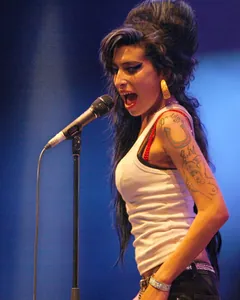 Amy WinehouseD3–E5 · contralto
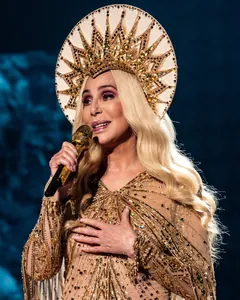 CherC#3–E5 · contralto
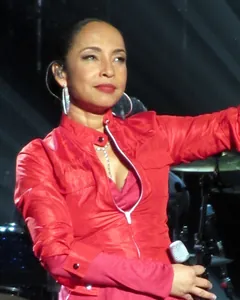 SadeF3–E5 · contralto
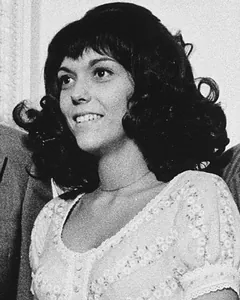 Karen CarpenterD3–A5 · contralto
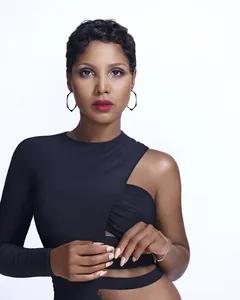 Toni BraxtonD3–A5 · contralto
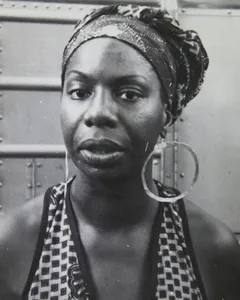 Nina SimoneF2–E5 · contralto
Photo: Hans Hillewaert, CC BY-SA 4.0, via Wikimedia Commons. Range figures are estimates compiled from recordings and are not endorsed by the artist.