 Singing Coach AI
Billie Eilish’s vocal range: D3–B5 (mezzo-soprano)
Whisper-close pop that trades volume for intimacy. Billie Eilish’s range is commonly cited as roughly D3 to B5, about just under 3 octaves. Estimates are compiled from studio recordings and live performances, so treat the exact edges as approximate.

Billie Eilish’s commonly cited range on the keyboard
Wondering how your voice compares? Take the free vocal range test. It takes about a minute, right in your browser.
The voice
Billie Eilish is a light mezzo-soprano (some references call her a soprano) whose range is commonly cited at roughly D3–B5. The recognisable thing is not the range but the proximity: she sings a few centimetres from the microphone at a near-whisper, so every breath, click and sigh becomes part of the record. Under that hush sits a genuinely accurate, flexible voice, with clean head-voice leaps in Ocean Eyes and a real belt held in reserve for the second half of Happier Than Ever.
Her songs look easy on paper, mostly E3–E5, and that is the trap. Singing quietly in tune, with no vibrato to hide behind, is harder than belting. Work on steady, slow airflow, a relaxed jaw and pitch that lands dead centre; a tuner or the app will show you every drift. Do not try to reproduce the studio breathiness by pushing air, it will just tire you out; think of a light, speech-level tone very close to the mic instead. Save real volume for the songs that actually ask for it.
Range moments worth studying
Ocean Eyes
Verses sit low around E3–B3, then the chorus floats up to around E5 in a pure, airy head voice.
Bad Guy
Almost spoken, hovering around F#3–A3 with quick rhythmic bursts; pitch accuracy at low volume is the whole challenge.
Happier Than Ever
Half whispered ballad, half rock catharsis; the closing section pushes to sustained belts around C5–D5 with real grit.
Everything I Wanted
A gentle E3–C#5 lullaby where the melody barely rises; breath control and tone matter more than notes.
Sing Billie Eilish’s songs with feedback
Every song below has a full guide on this site: the range, the key, where the hard notes are, and how to practise them. Open one, then record it in the app to hear how close you are.
Can you sing it?
Almost any voice type can reach these notes; start with Bad Guy (F#3–C#5) or Bellyache (E3–B4), then try Ocean Eyes once your head voice is steady. A range label only tells you the edges. Whether a song feels good depends on where its melody sits. The Singing Coach AI app listens to you sing real songs, maps your range and tessitura, and tells you which keys and songs actually fit your voice, including whether Billie Eilish’s catalogue is in reach today.
FAQ
What is Billie Eilish’s voice type?
How many octaves can Billie Eilish sing?
Can a beginner sing Billie Eilish songs?
Voices in the same neighbourhood
Singers whose cited range and voice type sit closest to Billie Eilish’s. If one of them suits you, the other probably will too.
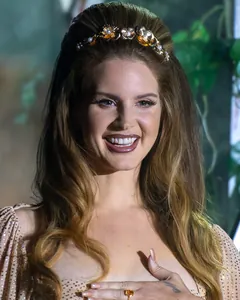 Lana Del ReyD3–B5 · mezzo-soprano
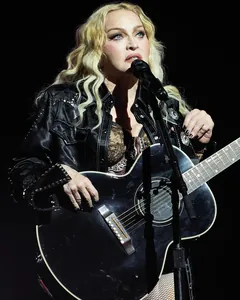 MadonnaD3–B5 · mezzo-soprano
 AdeleC3–C6 · mezzo-soprano
AdoD3–D6 · mezzo-soprano
AdeleC3–C6 · mezzo-soprano
AdoD3–D6 · mezzo-soprano
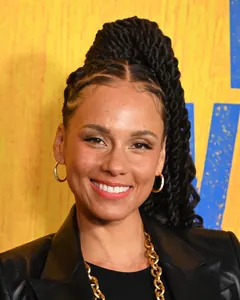 Alicia KeysC3–C6 · mezzo-soprano
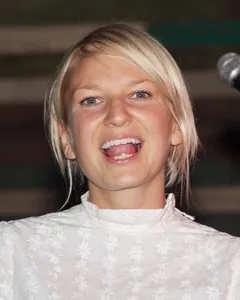 SiaC3–C6 · mezzo-soprano
Photo: Raph_PH, CC BY 4.0, via Wikimedia Commons. Range figures are estimates compiled from recordings and are not endorsed by the artist.