 Singing Coach AI
Ado’s vocal range: D3–D6 (mezzo-soprano)
Japan’s faceless powerhouse of Usseewa and Uta. Ado’s range is commonly cited as roughly D3 to D6, about 3 octaves. Estimates are compiled from studio recordings and live performances, so treat the exact edges as approximate.
Ado’s commonly cited range on the keyboard
Wondering how your voice compares? Take the free vocal range test. It takes about a minute, right in your browser.
The voice
Ado, the anonymous Japanese singer behind Usseewa and the songs of Uta in the One Piece film, has a startlingly versatile mezzo-soprano whose recorded range is commonly cited at roughly D3–D6. The voice can be sweet and clean one bar and a snarling, distorted growl the next, and the switching is the signature. Add a rapid, almost theatrical range of character voices, precise fast diction and a belt that cuts through dense electronic arrangements, and you have one of the most technically demanding pop catalogues in Japan.
Most of her material sits in a busy alto-to-soprano band, roughly A3 to E5, with the drama coming from rapid register changes rather than one high note. New Genesis is a full-voice anthem with sustained belts around the top of the staff; Usseewa is a study in vocal characters, moving from mumbled contempt to shrieking release inside a few bars. Learn the melody cleanly first and keep every register supported; the moment a growl or scream feels like it is coming from the throat rather than the breath, it is wrong.
The screams, fry and distorted vocals are the risky part. They are an advanced technique that Ado has clearly worked on for years, and they are not something to copy from a video on the first try. Warm up thoroughly, practise the aggressive lines quietly first, drink water, and stop immediately if you feel any soreness or tickling. Clean tone on the big belts is a far better goal to begin with.
Range moments worth studying
Usseewa
Hops between spoken-style low verses and a shouted, distorted chorus in the upper voice, with the title screamed at the peak.
New Genesis
An anthemic build from a lyrical opening to sustained full-voice belts around the top of the staff in the final chorus.
Odo
Fast, rhythmic verses in the lower-middle voice explode into a chorus that alternates clean belts with growled accents.
Show
Playful, cabaret-style character voices across the middle register, with sudden jumps into a bright, high belt.
Can you sing it?
Mezzos and sopranos with a strong mixed voice can approach the melodic material; the screams are for experienced voices only. Start with the cleaner pop cuts such as Gira Gira or Kura Kura before attempting Usseewa or New Genesis. A range label only tells you the edges. Whether a song feels good depends on where its melody sits. The Singing Coach AI app listens to you sing real songs, maps your range and tessitura, and tells you which keys and songs actually fit your voice, including whether Ado’s catalogue is in reach today.
FAQ
What is Ado’s voice type?
How many octaves can Ado sing?
Does Ado use screaming and growling?
Voices in the same neighbourhood
Singers whose cited range and voice type sit closest to Ado’s. If one of them suits you, the other probably will too.
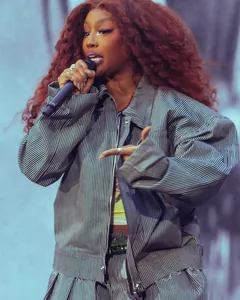 SZAD3–D6 · mezzo-soprano
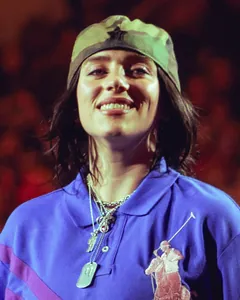 Billie EilishD3–B5 · mezzo-soprano
 Demi LovatoC3–D#6 · mezzo-soprano
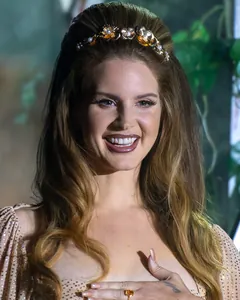 Lana Del ReyD3–B5 · mezzo-soprano
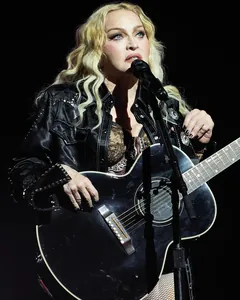 MadonnaD3–B5 · mezzo-soprano
 RihannaB2–D6 · mezzo-soprano
Range figures are estimates compiled from recordings and are not endorsed by the artist.