 Singing Coach AI
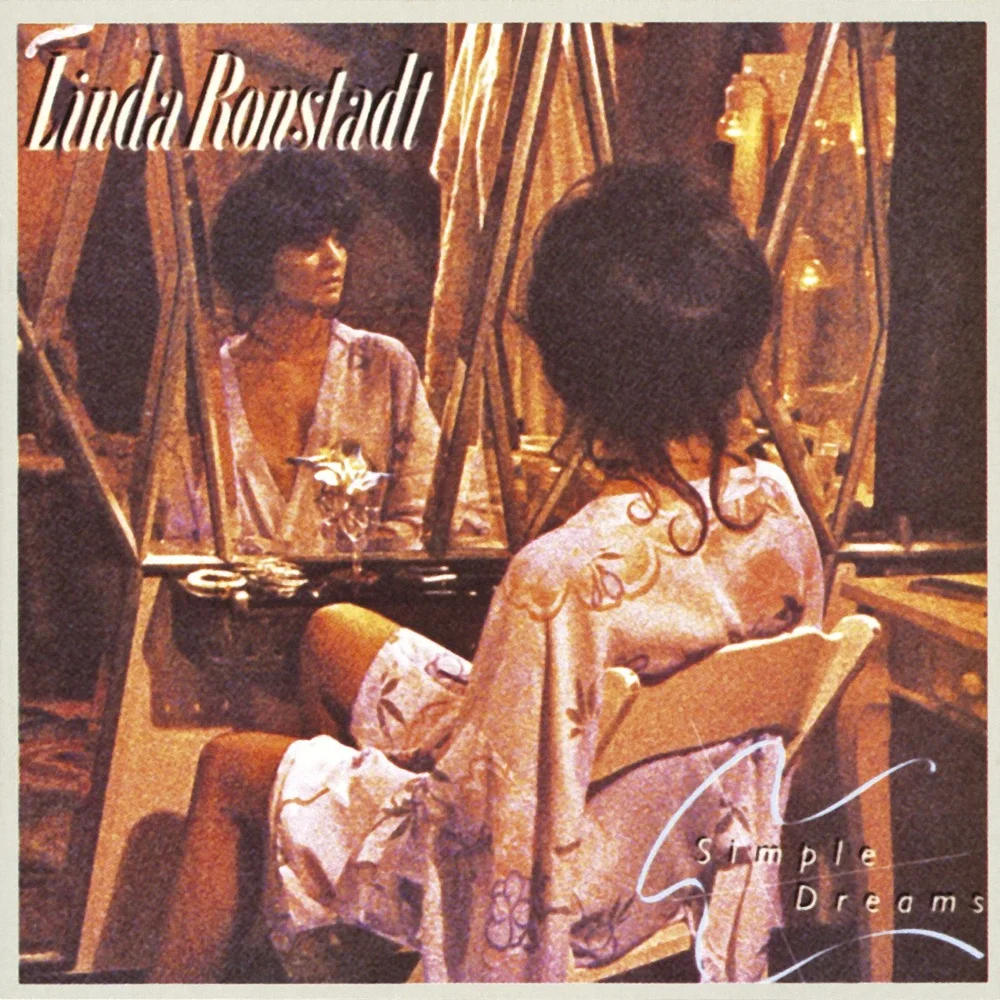
The Ultimate Country-Rock Ballad
Originally written by Roy Orbison, Linda Ronstadt's version of Blue Bayou became the definitive cover, showcasing her incredible ability to blend country yearning with rock power. Released in 1977 on the album Simple Dreams, it remains a gold standard for vocalists testing their dynamic control.
The song is deceptive. It starts low, relaxed, and intimate, but builds into a powerful chorus that requires significant stamina. To sing this well, you need to manage your air flow efficiently to handle the long, rolling phrases.
Phase 1: The Verses (Low & Warm)
The song begins in B Major (or Bb depending on the version, but Ronstadt sits in B). The verse melody sits low, touching down to F#3 on "I feel so bad."
The Trap: Singers often lose volume or tone quality here. Keep your larynx neutral and think of a "warm" chest resonance. Avoid pushing too much air, which will make the tone breathy and unstable. Use speaking-voice placement.
Phase 2: The Chorus Lift
The magic happens in the transition. As you sing "I'm going BACK," the melody jumps. You need to switch from that relaxed chest voice into a powerful mix or belt.
- Placement: Aim the sound forward, towards the "mask" of your face. This brightens the tone (the Ronstadt signature).
- Vowels: Modify the vowel on "Back" slightly towards "Ah" to keep the throat open while belting the B4.
- Legato: Keep the notes connected. The song has a rolling, wave-like rhythm. Don't sing staccato.
Phase 3: The Climax
The outro features ad-libs that reach up to C#5. This requires energy and confidence. Ensure your jaw is relaxed and dropped to allow the high notes to ring out without constriction.