 Singing Coach AI
Mastering the Sinatra "Swag"
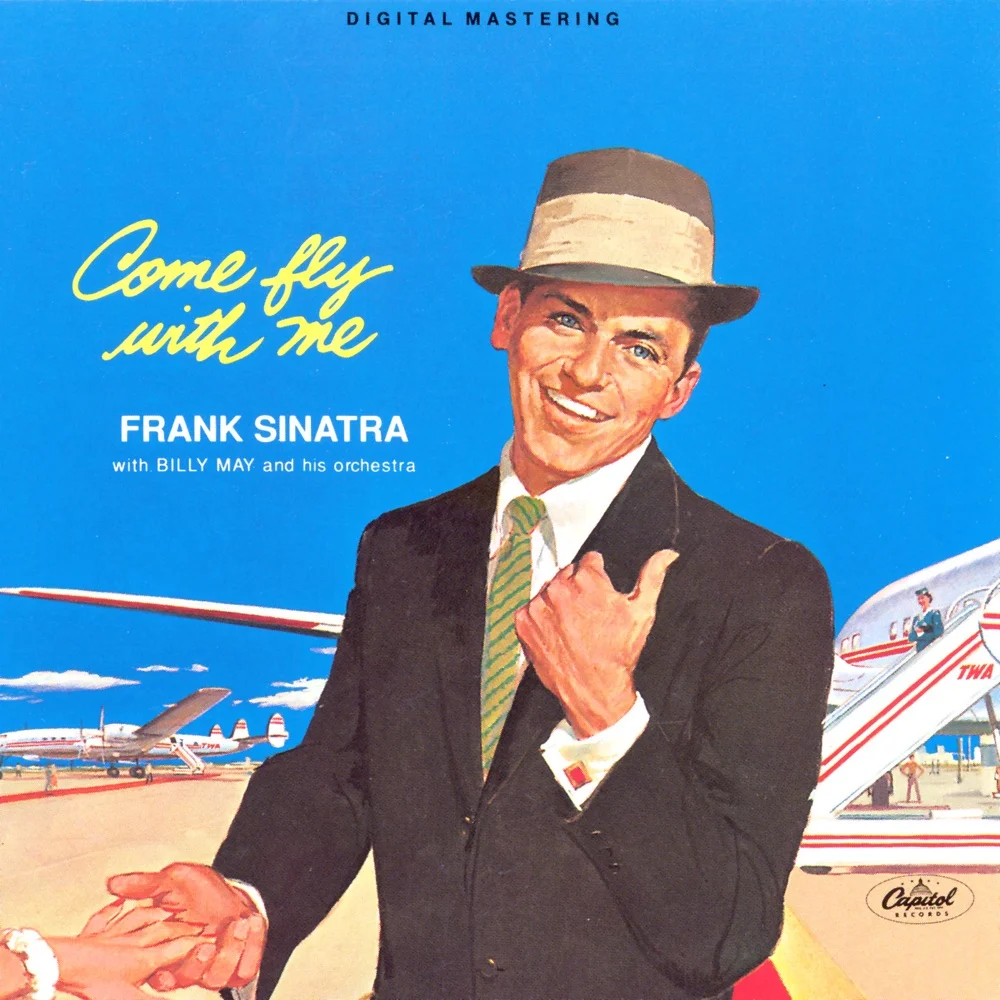
"Come Fly with Me" is the opening track from Sinatra's 1958 album of the same name. It captures the jet-set optimism of the era. While the notes sit comfortably within a Baritone range (B2-E4), the challenge lies in the delivery. You cannot just sing the notes; you must glide through them.
Sinatra's technique was heavily influenced by violin bowing. He learned to breathe in places that wouldn't interrupt the flow of the lyric. This is called legato phrasing.
Phase 1: The Invitation (0:00 - 1:05)
The song starts with a warm invitation. The key here is confidence without aggression. When singing "Come fly with me," use a slight slide (portamento) up to the notes rather than hitting them squarely. This creates that relaxed, "cool" aesthetic.
The Trap: Rushing the beat. The orchestra is swinging, and you should be too. Try to sing slightly on the "back" of the beat—just milliseconds later than strict metronome time.
Phase 2: The Dynamics (1:05 - 2:15)
As the brass section kicks in, you need to match their energy with more chest resonance, but keep your throat open. Lines like "Once I get you up there" require more air pressure, but do not shout.
- Breath Control: Sinatra was famous for singing incredibly long phrases on one breath. Practice taking deep diaphragmatic breaths during the instrumental breaks.
- Tone Color: Keep the sound "forward" in the mask of your face to cut through the big band arrangement.
Phase 3: The Climax (2:15 - End)
The bridge section, "It's such a lovely day," climbs to the upper part of the chest voice (E4). This needs to sound effortless. If you squeeze your throat, you lose the "crooner" vibe and sound strained.
For the ending, "pack up, let's fly... away," hold the final note with a consistent vibrato. Do not let the pitch waver until you cut it off sharply with the band.