 Singing Coach AI
Frank Sinatra’s vocal range: G2–E4 (baritone)
The standard-bearer of the Great American Songbook. Frank Sinatra’s range is commonly cited as roughly G2 to E4, about just under 2 octaves. Estimates are compiled from studio recordings and live performances, so treat the exact edges as approximate.
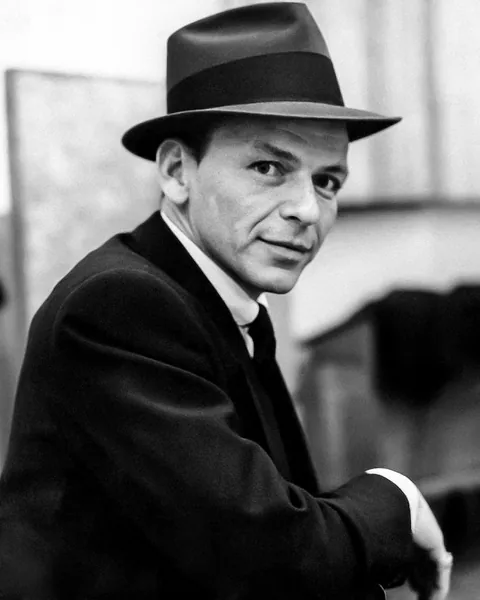
Frank Sinatra’s commonly cited range on the keyboard
Wondering how your voice compares? Take the free vocal range test. It takes about a minute, right in your browser.
The voice
Sinatra's instrument was a classic lyric baritone — commonly cited at roughly G2–E4 in full voice, sitting most comfortably in the octave around middle C. What made it legendary wasn't size or extremes: it was breath control and phrasing. Sinatra famously studied trombone players' legato and could carry a lyric through six or eight bars without an audible breath.
His genius was working inside a modest range: conversational low notes, a warm middle register, and carefully rationed top notes that land like punctuation rather than fireworks. If your range is close to his, you have most of the pop and jazz standards catalogue available to you.
Range moments worth studying
My Way
The closing "the record shows…" climbs to a sustained D4 — high for him, and placed at the exact emotional peak.
Fly Me to the Moon
Lives almost entirely between C3 and C4 — the definitive test of making a one-octave song interesting.
One for My Baby
Saloon-song low notes down near A2, sung at a near-whisper — control, not power.
Sing Frank Sinatra’s songs with feedback
Every song below has a full guide on this site: the range, the key, where the hard notes are, and how to practise them. Open one, then record it in the app to hear how close you are.
Can you sing it?
A range label only tells you the edges. Whether a song feels good depends on where its melody sits. The Singing Coach AI app listens to you sing real songs, maps your range and tessitura, and tells you which keys and songs actually fit your voice, including whether Frank Sinatra’s catalogue is in reach today.
FAQ
What was Frank Sinatra’s voice type?
How many octaves could Frank Sinatra sing?
Can a beginner sing Frank Sinatra's songs?
Voices in the same neighbourhood
Singers whose cited range and voice type sit closest to Frank Sinatra’s. If one of them suits you, the other probably will too.
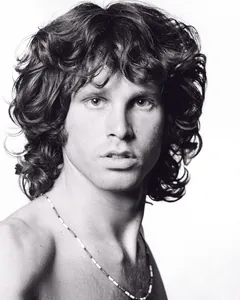 Jim MorrisonF#2–A4 · baritone
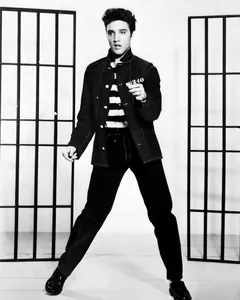 Elvis PresleyG2–B4 · baritone
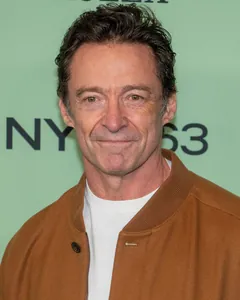 Hugh JackmanG2–B4 · baritone
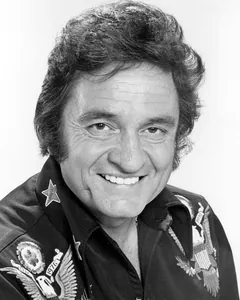 Johnny CashE2–B3 · bass-baritone
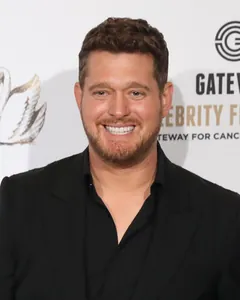 Michael BubléE2–A#4 · baritone
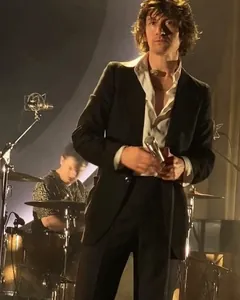 Alex TurnerE2–B4 · baritone
Photo: Photograph by Capitol Records, per a credit found in the 1959 edition of the International Celebrity Register at page 69, Public domain, via Wikimedia Commons. Range figures are estimates compiled from recordings and are not endorsed by the artist.