 Singing Coach AI
The Live Track That Became #1
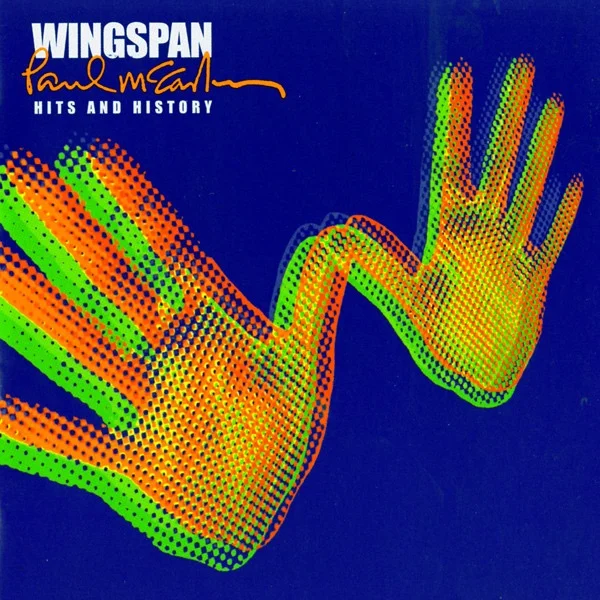
While the studio version of "Coming Up" was a quirky electronic experiment, the live version recorded at Glasgow in 1979 transformed the song into a funk-rock powerhouse. It was so well-received that it became the preferred radio hit in the US, hitting #1 on the Billboard Hot 100.
To sing this track effectively, you need to abandon the polished, smooth approach. This performance is about grit, rhythmic "pocket," and maintaining high energy without running out of breath.
Phase 1: The Staccato Verses
The verses ("You want a love to last forever...") sit in a comfortable mid-range (E3-E4). The challenge here isn't pitch; it's style. You should clip the ends of your words.
The Trap: Do not slur the words together. If you sing this legato (smoothly), the song loses its funk feel. Keep your jaw loose but your articulation sharp.
Phase 2: The Chorus Chant
The chorus ("Coming Up!") is essentially a chant. It repeats constantly, which can be fatiguing for the voice. You need to rely on your diaphragm support rather than throat tension.
- Placement: Keep the sound forward in the "mask" of your face. This brighter tone helps cut through the heavy bass and drums.
- Breath: Take quick, low breaths ("sipping" air) between the lines to stay oxygenated without disrupting the groove.
Phase 3: The "Paul" Energy
As the song progresses, Paul introduces his signature vocal mannerisms—whoops, yeahs, and gritty ad-libs that push toward G#4 and A4.
To achieve this grit safely, utilize "twang" (narrowing the epiglottis) rather than pushing air harder. This gives you that rock-and-roll distortion without causing vocal nodules or hoarseness.