 Singing Coach AI
Paul McCartney’s vocal range: G2–F5 (tenor)
Rock's most versatile melodic tenor, Beatles onward. Paul McCartney’s range is commonly cited as roughly G2 to F5, about around 3 octaves. Estimates are compiled from studio recordings and live performances, so treat the exact edges as approximate.
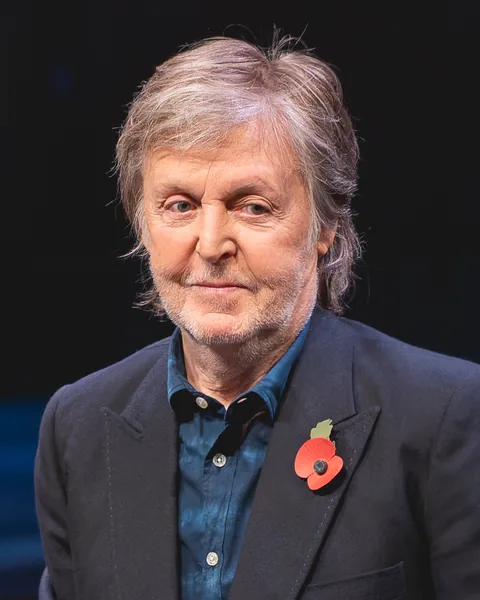
Paul McCartney’s commonly cited range on the keyboard
Wondering how your voice compares? Take the free vocal range test. It takes about a minute, right in your browser.
The voice
Paul McCartney is a tenor whose recorded range is commonly cited at roughly G2–F5, close to three octaves, and few singers have used that span in so many different ways. There is the sweet, almost choirboy ballad voice of Yesterday and My Love; the raw, shredding rock scream of Helter Skelter and Oh! Darling; and the bright, bouncing pop delivery that carried the Wings hits. It is a naturally high, light instrument with surprising grit, and a gift for melody that makes even the hardest lines sound easy.
The trick to singing McCartney is matching the character to the song. His ballads sit in a friendly D3–A4 tessitura and reward clean vowels and honest, unforced tone. The rockers push into the fifth octave in full chest voice, which is where most singers strain trying to copy the rasp. Sing the melody clean first at a comfortable volume, and only add edge once the notes are secure. If a screamed line hurts, drop the key or lighten it into a supported mix; McCartney himself has been transposing for years.
Range moments worth studying
Band on the Run
Three songs in one: the verses murmur down around G2–D3, the middle section pushes up, and the final section rides a bright chorus that tops out around C5.
Maybe I'm Amazed
The signature scream-sung climaxes push into the fifth octave in full chest voice, one of the toughest rock vocals in his catalogue.
My Love
A gentle F3–A4 ballad with long, sustained phrases: the challenge is legato and breath, not high notes.
Ebony and Ivory
His duet with Stevie Wonder sits comfortably between B2 and B4, a good example of the smooth, unforced middle of his voice.
Sing Paul McCartney’s songs with feedback
Every song below has a full guide on this site: the range, the key, where the hard notes are, and how to practise them. Open one, then record it in the app to hear how close you are.
Can you sing it?
Tenors and lighter baritones will find most of this catalogue reachable. Start with My Love (F3–A4) or Coming Up (E3–A4), both narrow and melodic, before tackling the fifth-octave belts in Band on the Run. A range label only tells you the edges. Whether a song feels good depends on where its melody sits. The Singing Coach AI app listens to you sing real songs, maps your range and tessitura, and tells you which keys and songs actually fit your voice, including whether Paul McCartney’s catalogue is in reach today.
FAQ
What is Paul McCartney’s voice type?
How many octaves can Paul McCartney sing?
Can a beginner sing Paul McCartney’s songs?
Voices in the same neighbourhood
Singers whose cited range and voice type sit closest to Paul McCartney’s. If one of them suits you, the other probably will too.
 Bruno MarsG#2–E5 · tenor
 The WeekndF2–F5 · tenor
 Billy JoelF2–F#5 · tenor
 Ed SheeranG2–A5 · tenor
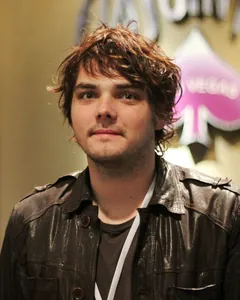 Gerard WayE2–E5 · tenor
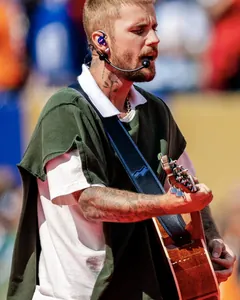 Justin BieberA2–G5 · tenor
Photo: Raph_PH, CC BY 2.0, via Wikimedia Commons. Range figures are estimates compiled from recordings and are not endorsed by the artist.