 Singing Coach AI
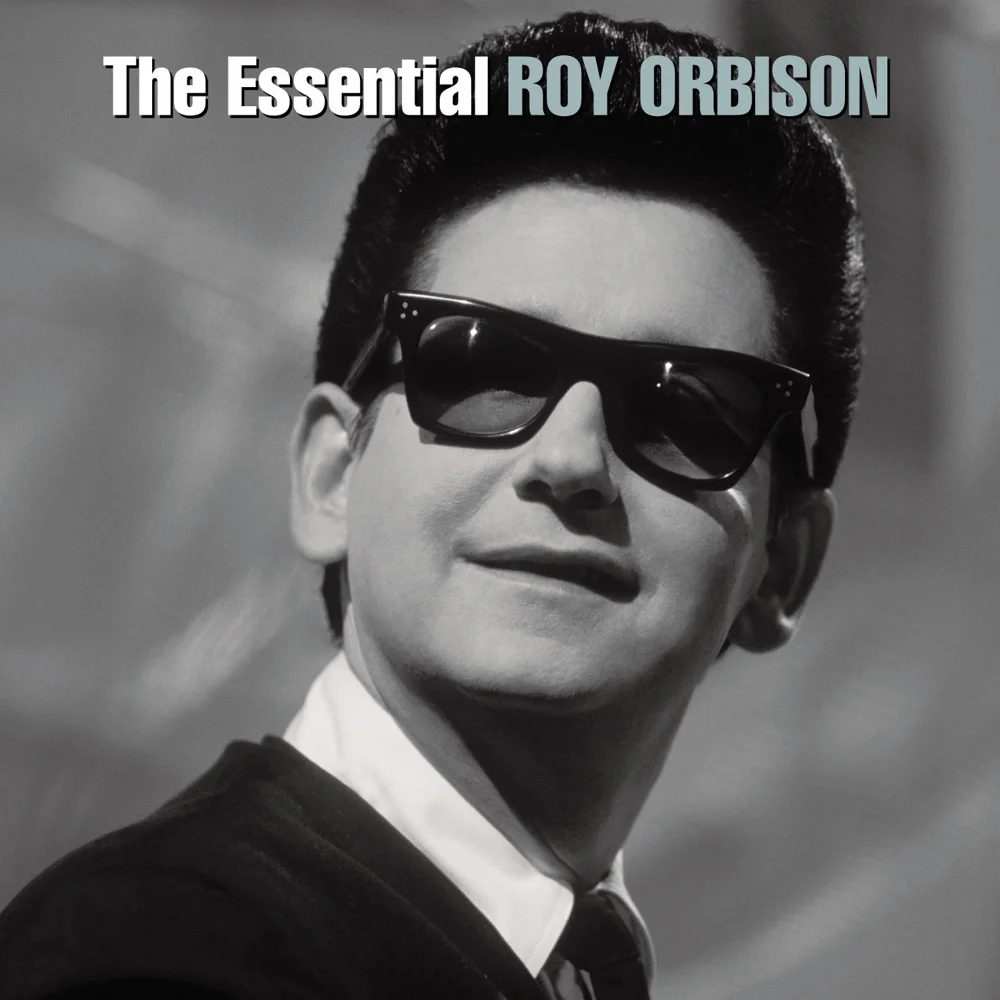
The "Rock Bolero" Masterpiece
Released in 1961, Roy Orbison's "Crying" is famous not just for its emotional weight, but for its unusual structure. It eschews the standard verse-chorus format for a slow, steady build-up that demands incredible vocal stamina. The song starts in a low, conversational register and climbs over two octaves to a stunning, operatic finale.
To sing this well, you need to master the art of the crescendo. If you start too loud, you will have nowhere to go by the time you reach the climax. Let's break down the technique required to handle Orbison's dynamic range.
Phase 1: The Verses (Low Register)
The song begins in D Major. The opening lines sit in the A2 to D3 range. For Tenors, this is quite low; for Baritones, it is comfortable. The goal here is a warm, dark tone.
The Trap: Because the notes are low, singers often let their pitch sag or become "fry-like." Keep the sound forward in the mask of the face, even on the low notes, to ensure clarity.
Phase 2: The Bridge Build-up
As the lyrics move to "I could simply smile," the melody begins to lift. This is where you must transition from pure chest voice into a chest-dominant mix. You need to start increasing your volume gradually—think of it as walking up a hill, not jumping off a cliff.
- Vowel modification: On words like "smile" and "while," narrow the vowels slightly to keep the tone focused as the pitch ascends.
Phase 3: The Operatic Finale (High Belt)
The final section of "Crying" is legendary. The repeated line "Crying over you" pushes the voice higher and higher until the final resolve. The last note is a belted High C (C5).
To hit this safely, you cannot pull your chest voice up, or you will strain. You must use a "cry" vocal mode (tilting the thyroid cartilage) to access your upper register with power but without the weight. Imagine you are calling out to someone far away, rather than shouting at someone nearby.