 Singing Coach AI
Roy Orbison’s vocal range: A2–C5 (baritenor)
The operatic voice of early rock and roll. Roy Orbison’s range is commonly cited as roughly A2 to C5, about just over 2 octaves. Estimates are compiled from studio recordings and live performances, so treat the exact edges as approximate.
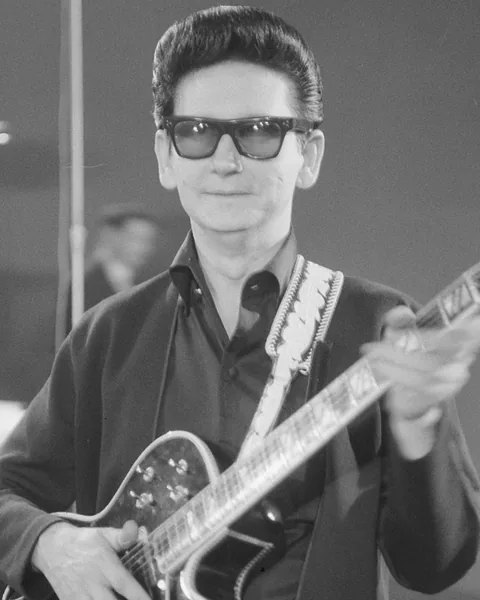
Roy Orbison’s commonly cited range on the keyboard
Wondering how your voice compares? Take the free vocal range test. It takes about a minute, right in your browser.
The voice
Roy Orbison was a baritenor, a baritone-weight voice with a tenor's top, and his full-voice range on record is commonly cited at roughly A2–C5, with falsetto extending it further. Contemporaries called him the Caruso of rock for good reason. The sound is quasi-operatic: a dark, trembling lower register, a wide, quick vibrato, and a top that swells rather than shouts. Combined with songs that build like miniature arias, it produced some of the most emotionally naked singing in pop history, all from a man who stood stock still in sunglasses.
Singing Orbison is about the crescendo. Crying and Running Scared start in a soft, low baritone around A2–D3 and rise, step by step, to a full-voice climax near the top of the fourth octave. The mistake is to give everything too early. Keep the opening quiet and supported, then let the volume and the vibrato grow with each verse. Because the peaks sit around A4–C5, most baritones and tenors can reach them; the hard part is arriving there with enough breath to sustain the final note.
Range moments worth studying
Crying
Builds from a hushed A2 verse to the famous final "cry-ing" held near C5 in full voice, a three-minute crescendo in miniature.
Only the Lonely (Know How I Feel)
Sits between C3 and C5, with the falsetto "dum-dum-dum-dumby-doo-wah" backing figure and a full-voice lift at the end.
Running Scared
A steady climb from A2 to a triumphant A4 on the last line, with no chorus and no repeat: one shot at the climax.
Oh, Pretty Woman
Mostly mid-range and rhythmic, with the growl and the falsetto "mercy" giving you the two extremes of his personality.
Sing Roy Orbison’s songs with feedback
Every song below has a full guide on this site: the range, the key, where the hard notes are, and how to practise them. Open one, then record it in the app to hear how close you are.
Can you sing it?
Baritones and tenors are both well placed for this catalogue. Start with Running Scared (A2–A4), then work up to the sustained climaxes of Crying and Only the Lonely. A range label only tells you the edges. Whether a song feels good depends on where its melody sits. The Singing Coach AI app listens to you sing real songs, maps your range and tessitura, and tells you which keys and songs actually fit your voice, including whether Roy Orbison’s catalogue is in reach today.
FAQ
What was Roy Orbison’s voice type?
How many octaves could Roy Orbison sing?
Is Roy Orbison a tenor or a baritone?
Voices in the same neighbourhood
Singers whose cited range and voice type sit closest to Roy Orbison’s. If one of them suits you, the other probably will too.
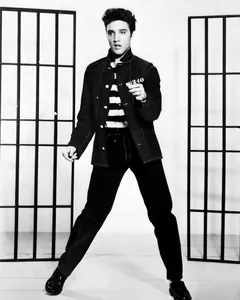 Elvis PresleyG2–B4 · baritone
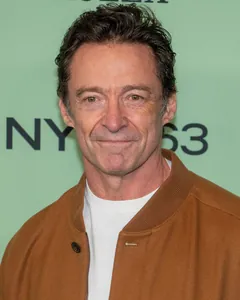 Hugh JackmanG2–B4 · baritone
 Kurt CobainF2–C5 · baritenor
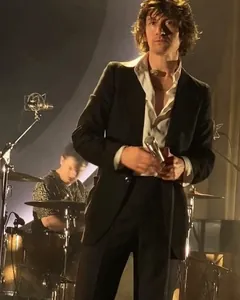 Alex TurnerE2–B4 · baritone
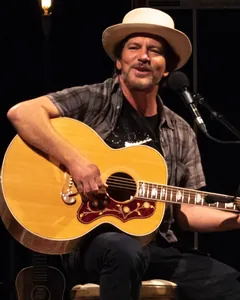 Eddie VedderE2–B4 · baritone
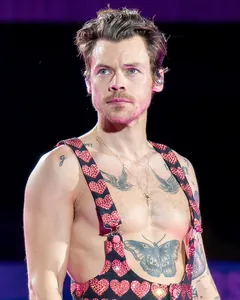 Harry StylesB2–E5 · light baritone / tenor
Photo: Jack de Nijs for Anefo, CC0, via Wikimedia Commons. Range figures are estimates compiled from recordings and are not endorsed by the artist.