 Singing Coach AI
A Masterclass in Vocal Dynamics
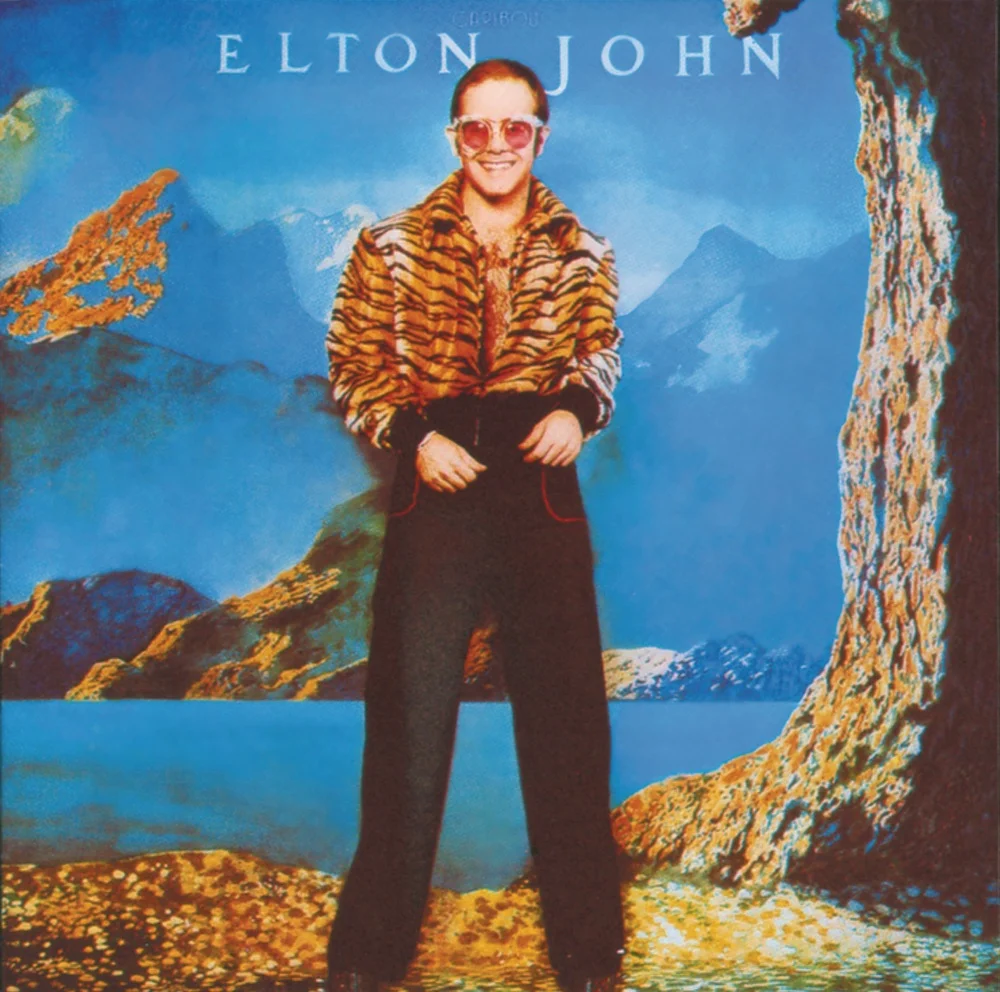
"Don't Let The Sun Go Down On Me" is one of Elton John's most enduring ballads, famous for its slow build from a whisper to a roar. Released on the 1974 album Caribou, it challenges singers to maintain emotional intensity over long, sweeping phrases.
To sing this well, you need more than just range. You need the storytelling ability to make the verses feel intimate and the breath support to make the chorus feel massive without straining your throat. Let's break down exactly how to tackle it, section by section.
Phase 1: The Verses (0:00 - 1:18)
The song begins in a low, conversational register. The opening line "I can't light no more of your darkness" touches down to a G2. For Tenors, this requires a relaxed larynx.
The Trap: Many singers try to "push" these low notes to make them sound louder. Instead, keep the volume low (mezzo-piano) and rely on chest resonance. Think of speaking the lyrics rather than singing them to capture the regret in the tone.
Phase 2: The Pre-Chorus Build (1:18 - 1:45)
As you sing "I took a chance and changed your way of life," the melody lifts. This is your transition zone. You must start mixing in more head resonance while keeping the chest connection.
- Breath Support: The phrases here get longer. Ensure you take a deep, low breath before "But you misunderstood."
- Placement: Move the sound forward into the "mask" of your face to cut through the increasing instrumentation.
Phase 3: The Chorus Power (1:45 - End)
This is the payoff. The line "Don't let the sun go down on me" features a powerful belt up to G4. It needs to sound desperate and pleading, not yelled.
To achieve this, use "anchoring"—engage your core muscles and latissimus dorsi (back muscles) to support the air pressure. Keep your throat open, similar to the sensation of a yawn, to allow the high notes to ring freely without constriction.