 Singing Coach AI
Elton John’s vocal range: E2–C6 (tenor)
Piano-pop's showman tenor across five decades. Elton John’s range is commonly cited as roughly E2 to C6, about around 3.5 octaves. Estimates are compiled from studio recordings and live performances, so treat the exact edges as approximate.
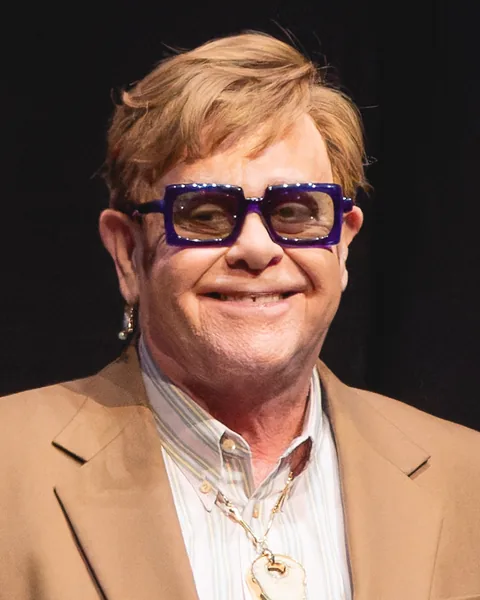
Elton John’s commonly cited range on the keyboard
Wondering how your voice compares? Take the free vocal range test. It takes about a minute, right in your browser.
The voice
Elton John began his career as a bright, agile tenor with a range commonly cited at roughly E2–C6, and few pop voices have changed so visibly over time. The 1970s records show a light, high tenor with a quick vibrato and a distinctive falsetto that he threw in as decoration, most famously on Bennie and the Jets and Rocket Man. What makes the voice recognisable is the vowel shaping, an American-tinged, slightly nasal delivery that turns Bernie Taupin's lyrics into instantly memorable hooks, and phrasing that always follows the piano.
Most of his catalogue sits in a comfortable tenor or high baritone range around A2–G4, which is why so many people can sing along to Your Song and Tiny Dancer. The challenge is the ballads' sustained top notes and the sudden falsetto flips. Singers often either strain to belt the chorus of Don't Let the Sun Go Down on Me or let the falsetto go breathy. Practise the transitions slowly, keep the tone bright and forward, and remember that he mostly sings with a piano's rhythm: precise, percussive and never rushed.
After throat surgery in the late 1980s, Elton's voice settled into a darker, lower baritone register, and he has transposed many of his hits down ever since. That makes his catalogue unusually flexible: choose the early keys if your voice is high and light, or the later ones if you sit lower. Either way, warm up before the big ballads and stop if the top notes start to feel tight.
Range moments worth studying
Your Song
A gentle D#3–A#4 melody with the emotional lift on "how wonderful life is" sitting around G4–A#4, the perfect first Elton song.
Rocket Man
Verses around A#2–D4, the chorus climbing to a sustained G4, and a falsetto flourish that shows the lighter side of his voice.
Tiny Dancer
Builds from a warm A2 verse to the "hold me closer" chorus around F4–G#4, sung with a bright, open vowel.
Bennie and the Jets
The chorus sits around G4–C5 in full voice, and the famous falsetto squeals leap far higher, a signature of the early 70s records.
Sing Elton John’s songs with feedback
Every song below has a full guide on this site: the range, the key, where the hard notes are, and how to practise them. Open one, then record it in the app to hear how close you are.
Can you sing it?
Tenors and baritones can both find plenty to sing here, thanks to his generous mid-range melodies. Start with Candle in the Wind (E2–E4), Daniel (E3–A4) or Your Song (D#3–A#4). A range label only tells you the edges. Whether a song feels good depends on where its melody sits. The Singing Coach AI app listens to you sing real songs, maps your range and tessitura, and tells you which keys and songs actually fit your voice, including whether Elton John’s catalogue is in reach today.
FAQ
What is Elton John’s voice type?
How many octaves can Elton John sing?
Does Elton John use falsetto?
Voices in the same neighbourhood
Singers whose cited range and voice type sit closest to Elton John’s. If one of them suits you, the other probably will too.
 Charlie PuthE2–B5 · tenor
 Michael JacksonD#2–C#6 · tenor
 Sam SmithF2–B5 · tenor
 Stevie WonderD#2–B5 · tenor
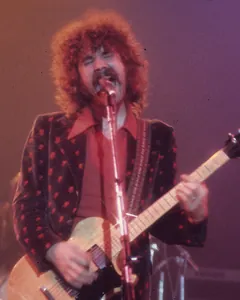 Brad DelpF#2–C#6 · tenor
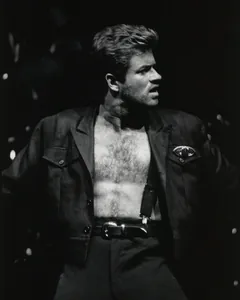 George MichaelD2–B5 · tenor
Photo: Raph_PH, CC BY 2.0, via Wikimedia Commons. Range figures are estimates compiled from recordings and are not endorsed by the artist.