 Singing Coach AI
The Song That Crossed Over
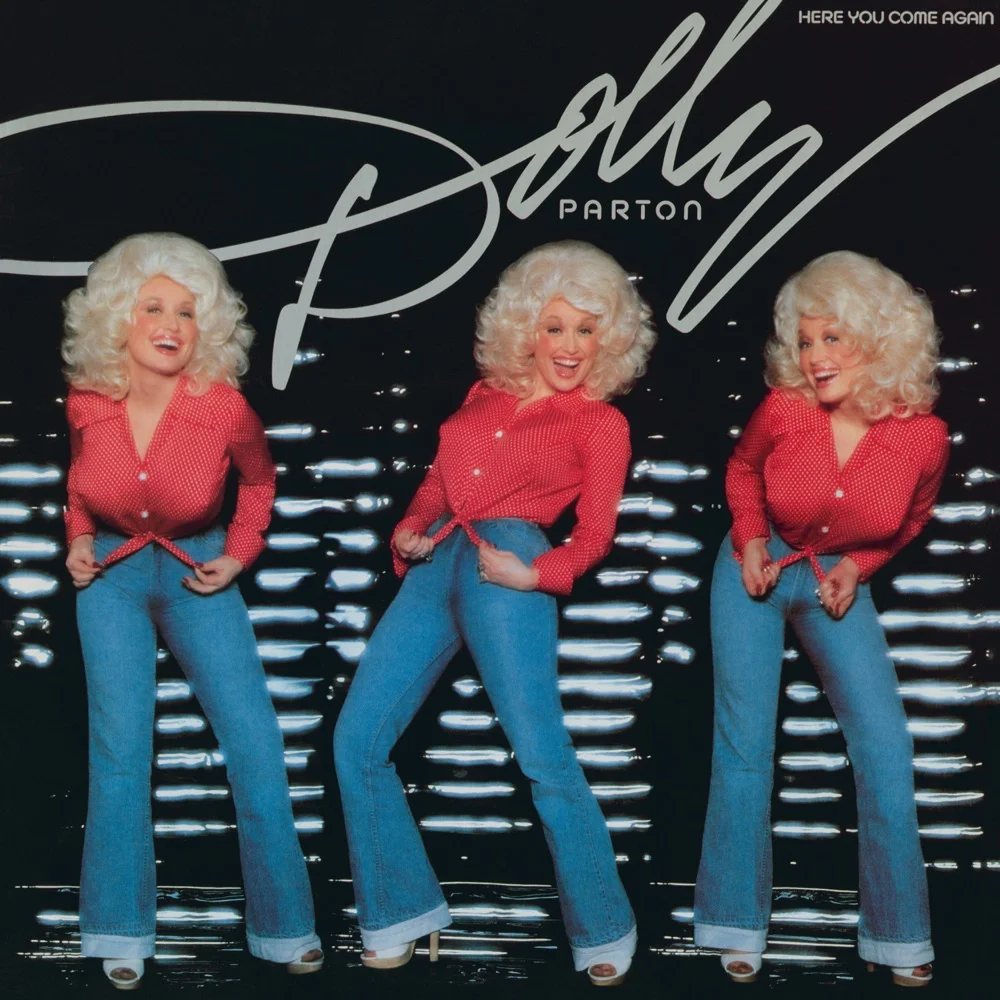
Here You Come Again was Dolly Parton's first significant pop crossover hit, topping the country charts and reaching #3 on the Billboard Hot 100. Written by Barry Mann and Cynthia Weil, the song demands a unique blend of country authenticity and polished pop technique.
To sing this well, you need to balance conversational storytelling in the verses with bright, soaring energy in the choruses. The technical challenge lies in maintaining tone quality as the key climbs higher through the modulations.
Phase 1: The Verses (F Major)
The song begins in F Major. The opening lines ("Here you come again...") sit in a lower, conversational register (around F3-A3). The goal here is clarity.
The Trap: Don't make the low notes too heavy or breathy. Keep the sound forward in your mask (the front of your face) so that when you jump to the chorus, the transition is seamless.
Phase 2: The Chorus Lift
The chorus melody is infectious and bouncy. Rhythmic precision is key here. You shouldn't drag behind the beat. The phrase "All you gotta do is smile that smile" requires precise diction.
- Placement: Use a bright, "twangy" mix. This isn't a heavy rock belt; it's a lighter, head-resonant mix.
- Vibrato: Dolly uses a fast, shimmering vibrato at the end of held notes. Try to mimic this speed for stylistic accuracy.
Phase 3: The Modulations (F# to G)
This is the endurance test. The song modulates (changes key) upwards to F# Major, and then finally to G Major for the outro. This pushes the vocal line higher and higher.
As you hit the key changes, do not push harder with your chest voice. Instead, rely on your breath support and allow your mix to thin out slightly. This prevents straining on the high C5s and D5s in the ad-libs.