 Singing Coach AI
Dolly Parton’s vocal range: F3–B5 (light lyric soprano)
Country’s brightest voice and sharpest songwriter. Dolly Parton’s range is commonly cited as roughly F3 to B5, about 2.5 octaves. Estimates are compiled from studio recordings and live performances, so treat the exact edges as approximate.
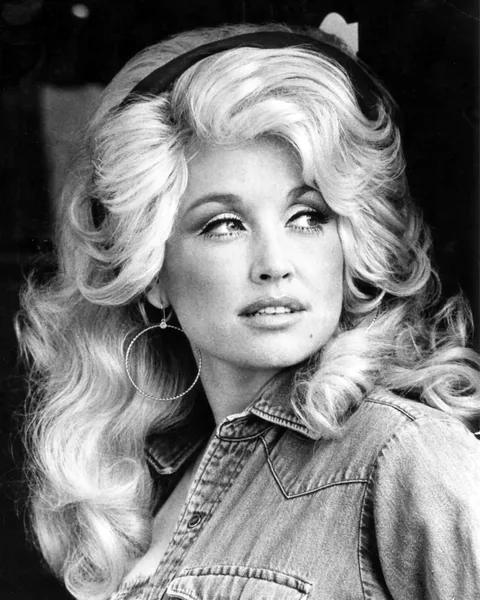
Dolly Parton’s commonly cited range on the keyboard
Wondering how your voice compares? Take the free vocal range test. It takes about a minute, right in your browser.
The voice
Dolly Parton sings with a bright, quick-vibrato light lyric soprano that is commonly cited at roughly F3–B5. It is not a big voice, and it does not need to be: the tone is forward and silvery, the diction is crystal clear, and that fast, fluttering vibrato makes her recognisable within a single phrase. The Appalachian mountain-singing tradition is audible in the way she leans on ornaments and slides into notes, especially on early records like Coat of Many Colors.
Most of Dolly’s catalogue sits in a friendly middle register, roughly G3 to D5, which is why her songs are karaoke staples. The challenge is not the notes but the delivery: she sings lightly, with a smile in the tone, and never pushes chest voice up where it does not belong. Common mistakes are over-singing Jolene (a one-octave song that lives on tension, not volume) and losing the country twang on the vowels. Tip: treat the quick vibrato as a relaxed, natural wobble rather than a forced shake, and keep the breath low so the top of I Will Always Love You stays sweet rather than shouted.
Range moments worth studying
Jolene
The library version sits between C#4 and C#5, a single octave, and the whole song is driven by rhythm and pleading repetition rather than high notes.
I Will Always Love You
Dolly’s original is far gentler than the Whitney Houston version: it spans roughly G3 to E5, with the chorus lifting to around D5–E5 in a soft, floated head voice.
9 to 5
A brisk, chatty melody around F#3 to C#5 in F# major; the verses stay low and conversational and the chorus climbs just enough to feel like a shout across the office.
Coat of Many Colors
A folk-style melody between roughly G3 and D5, sung almost like a story told to a child; a great study in phrasing and vowel placement.
Sing Dolly Parton’s songs with feedback
Every song below has a full guide on this site: the range, the key, where the hard notes are, and how to practise them. Open one, then record it in the app to hear how close you are.
Can you sing it?
Sopranos, mezzos and most male voices singing an octave down can attempt Dolly’s catalogue; start with Jolene (one octave, C#4–C#5) or Coat of Many Colors before moving to the higher chorus of I Will Always Love You. A range label only tells you the edges. Whether a song feels good depends on where its melody sits. The Singing Coach AI app listens to you sing real songs, maps your range and tessitura, and tells you which keys and songs actually fit your voice, including whether Dolly Parton’s catalogue is in reach today.
FAQ
What is Dolly Parton’s voice type?
How many octaves can Dolly Parton sing?
Can a beginner sing Dolly Parton’s songs?
Voices in the same neighbourhood
Singers whose cited range and voice type sit closest to Dolly Parton’s. If one of them suits you, the other probably will too.
 Hayley WilliamsE3–C6 · soprano
 Sabrina CarpenterE3–C6 · light lyric soprano
 Julie AndrewsF3–F6 · soprano
 Zara LarssonF#3–E6 · soprano
 Ariana GrandeD3–E7 · light lyric soprano
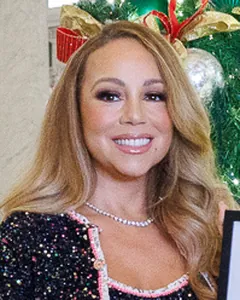 Mariah CareyG#2–G#7 · light lyric coloratura soprano
Photo: RCA Records, Public domain, via Wikimedia Commons. Range figures are estimates compiled from recordings and are not endorsed by the artist.