 Singing Coach AI
The Art of the Vocal Build
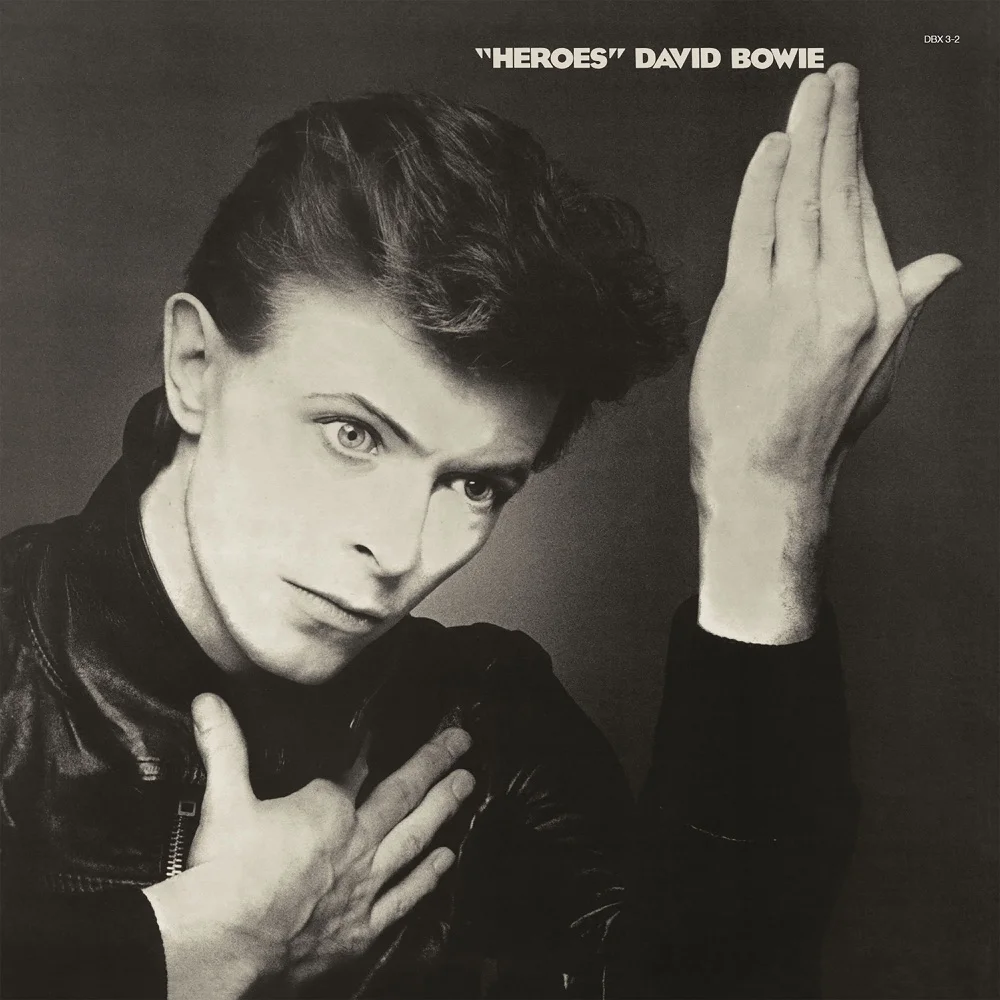
"Heroes" is a masterclass in dynamic progression. Recorded at Hansa Studios by the Berlin Wall, the song features a unique vocal performance that evolves from a whisper to a scream. David Bowie doesn't just sing the notes; he performs a character arc within six minutes.
Unlike standard rock songs that alternate between verse and chorus dynamics, "Heroes" is a straight line upwards. The challenge for singers is patience. If you start too loud, you have nowhere to go. If you end too quiet, the song loses its desperate, triumphant meaning.
Phase 1: The Croon (0:00 - 3:00)
The first half of the song stays firmly in the mid-range Baritone "comfort zone." The key is D Major. Lines like "I, I will be king" should be delivered with a smooth, almost spoken-word quality.
Technique: Keep your larynx neutral and your volume at a conversational level. Focus on diction and storytelling. You are setting the scene.
Phase 2: The Octave Jump (3:00 - 4:30)
Around the 3-minute mark ("And the guns shot above our heads"), the energy shifts. The melody remains similar, but the intensity doubles. You should be engaging your diaphragm more here, adding a slight "cry" to your voice to bridge the gap between chest and mix.
Phase 3: The Desperate Belt (4:30 - End)
This is the "Dolphin" section—so named because Bowie compared his vocals here to a dolphin's cry. He jumps up a full octave for lines like "I, I can remember." He is essentially screaming, but it is a pitch-perfect scream hitting G4 and G5 peaks.
To achieve this grit without damage:
- Anchor your breath: Do not push from the throat. Push from the abs.
- Use Twang: Brighten the sound to cut through the noise.
- Commit to the emotion: A clean, pretty voice will sound wrong here. It needs to sound like you are fighting against the noise.