 Singing Coach AI
David Bowie’s vocal range: G#1–G5 (baritone)
Rock’s shape-shifting baritone with a theatrical range. David Bowie’s range is commonly cited as roughly G#1 to G5, about just under 4 octaves. Estimates are compiled from studio recordings and live performances, so treat the exact edges as approximate.
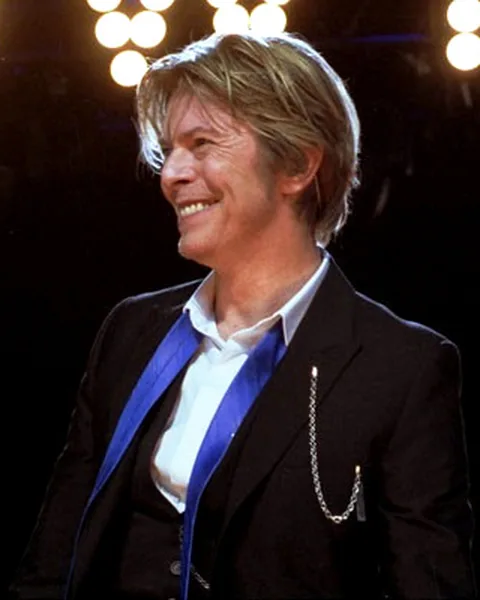
David Bowie’s commonly cited range on the keyboard
Wondering how your voice compares? Take the free vocal range test. It takes about a minute, right in your browser.
The voice
David Bowie was a baritone with an unusually wide range, commonly cited at roughly G#1–G5, and a voice that changed character with every persona. The Ziggy years were nasal, urgent and pushed high; the Berlin period added a croon; by Let’s Dance the baritone had settled into a rich, theatrical warmth. What stayed constant was the vibrato, the crisp London consonants and a willingness to shout, whisper or sing off the beat if the song asked for it.
Bowie is generous to lower voices: many of his best songs, like Changes, Starman and Rebel Rebel, live between C3 and A4, right in baritone territory. The challenge is the drama, with sudden leaps to a shouted upper register in Heroes and Life on Mars?, and the risk is copying the strain instead of the note. Support the high phrases as belts, not shouts, and keep them short. His phrasing is deliberately behind the beat, so listen closely before you copy it.
Range moments worth studying
Heroes
The library charts it at G3–G5: the verses sit conversationally, then the ‘I, I will be king’ sections push into a belted, almost shouted top range.
Life on Mars?
A C3–A#4 climb: each chorus steps higher until the ‘Mars’ line lands around A#4.
Space Oddity
Low, spoken verses around C3 open into a chorus that rises toward the fifth octave; the library charts it at C3–E5.
Let’s Dance
A G2–G4 baritone showcase: the low ‘let’s dance’ hook sits down in the second octave.
Sing David Bowie’s songs with feedback
Every song below has a full guide on this site: the range, the key, where the hard notes are, and how to practise them. Open one, then record it in the app to hear how close you are.
Can you sing it?
Baritones have the most natural fit here, and tenors will enjoy the Ziggy-era material. Changes, Starman and Rebel Rebel are gentle starts; Heroes and Life on Mars? need a confident belt. A range label only tells you the edges. Whether a song feels good depends on where its melody sits. The Singing Coach AI app listens to you sing real songs, maps your range and tessitura, and tells you which keys and songs actually fit your voice, including whether David Bowie’s catalogue is in reach today.
FAQ
What was David Bowie’s voice type?
How many octaves could David Bowie sing?
Is David Bowie a tenor or a baritone?
Voices in the same neighbourhood
Singers whose cited range and voice type sit closest to David Bowie’s. If one of them suits you, the other probably will too.
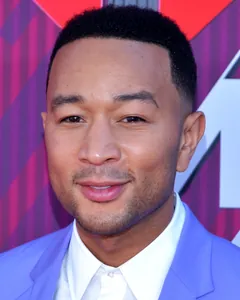 John LegendE2–G5 · baritone
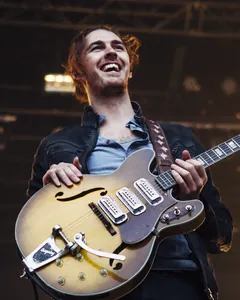 HozierC2–D5 · baritone
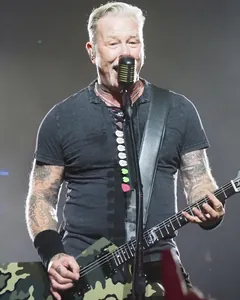 James HetfieldD2–E5 · baritone
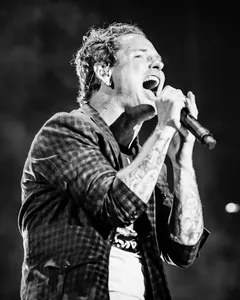 Corey TaylorF#2–F#5 · baritone
 Layne StaleyE2–E5 · baritone
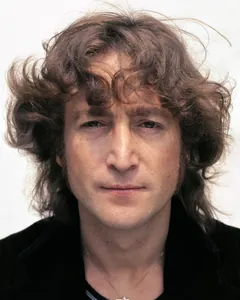 John LennonG2–F#5 · baritone
Photo: Adam Bielawski, CC BY-SA 3.0, via Wikimedia Commons. Range figures are estimates compiled from recordings and are not endorsed by the artist.