 Singing Coach AI
Mastering the Soul Classic
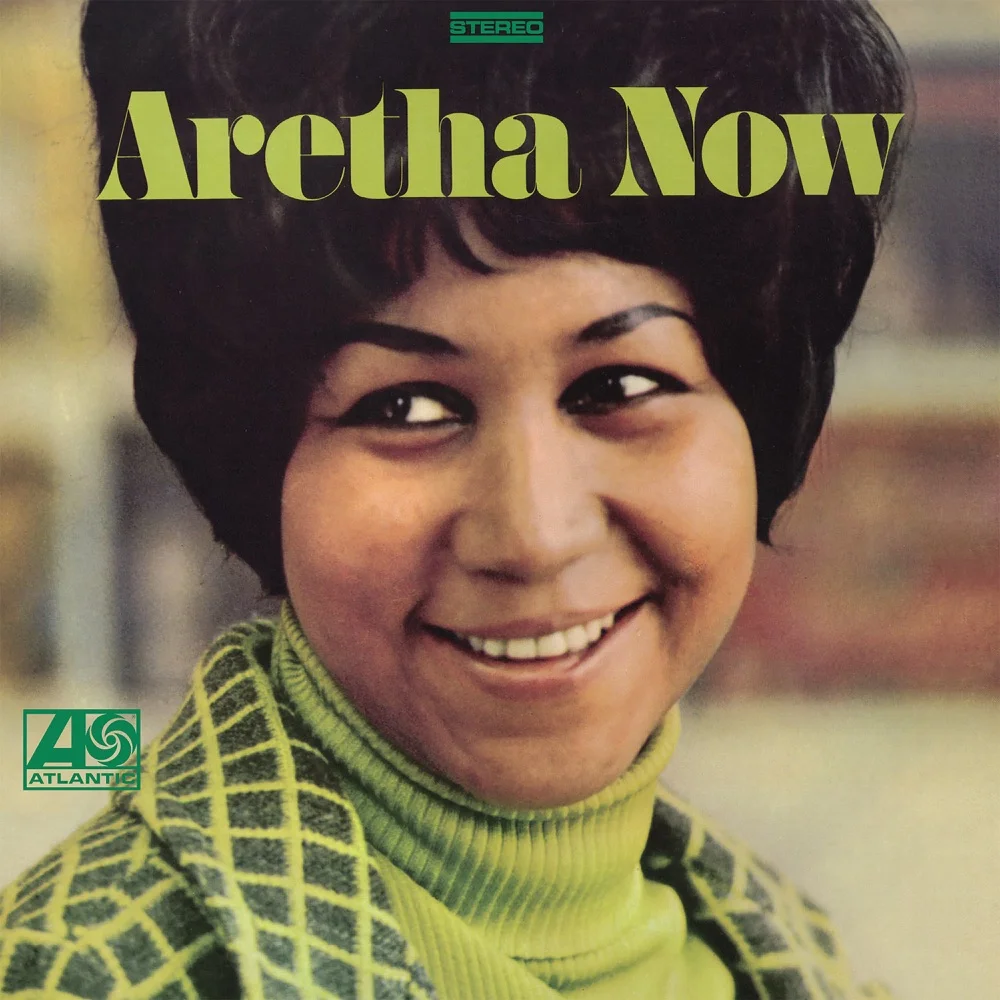
I Say a Little Prayer is more than just a catchy melody; it's a lesson in rhythm, phrasing, and soul. Originally recorded by Dionne Warwick, Aretha Franklin completely reinvented the song in 1968, adding her signature gospel influence and a more driving tempo. This track challenges your ability to stay in the pocket while delivering powerful, sustained vocals.
To sing this like Aretha, you need to balance conversational light textures in the verses with full-bodied resonance in the chorus. Here is your roadmap to mastering the song.
Phase 1: The Verses (Conversational Tone)
The song starts in F# Major. The opening lines ("The moment I wake up...") should be sung with a conversational, almost spoken quality. Do not push too much air yet.
The Trap: Articulation often suffers here because the lyrics move quickly. Ensure you are enunciating "hair," "makeup," and "dress" clearly without chopping the melodic line.
Phase 2: The Chorus (Breath Control)
This is the endurance test. The lines "Forever, and ever, you'll stay in my heart" are long and repetitive. Aretha sings these with a relentless forward motion.
- Breathing: You have very short windows to inhale between phrases. Plan your breaths explicitly before "and I will love you."
- The Mix: The notes climb higher here. Use a "mixed voice" (chest + head resonance) to keep the tone warm but powerful without straining.
Phase 3: The Call and Response
Towards the end, the song enters a gospel-style call and response ("Answer my prayer"). This is where you can unleash your ad-libs. The key is to interact with the backing vocals rather than singing over them.
For the ad-libs, focus on the pentatonic scale of F# Major. Short, punchy runs are more effective here than long, winding melismas.