 Singing Coach AI
Aretha Franklin’s vocal range: G2–E6 (mezzo-soprano)
The Queen of Soul, gospel power on every note. Aretha Franklin’s range is commonly cited as roughly G2 to E6, about nearly 4 octaves. Estimates are compiled from studio recordings and live performances, so treat the exact edges as approximate.
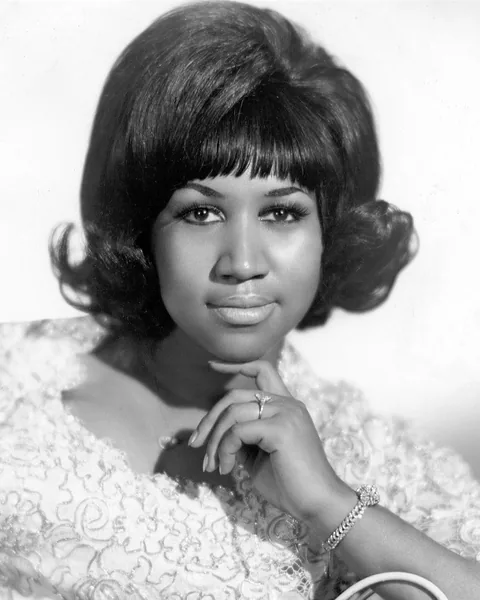
Aretha Franklin’s commonly cited range on the keyboard
Wondering how your voice compares? Take the free vocal range test. It takes about a minute, right in your browser.
The voice
Aretha Franklin was a mezzo-soprano raised in the Detroit gospel church, with a range commonly cited at roughly G2–E6, close to four octaves. The Queen of Soul's voice is recognisable in a single bar: a huge, bright, ringing chest voice, gospel runs that decorate every phrase, and a rhythmic authority that turns any lyric into a command. She also played piano on many of her records, which is why her phrasing sits so perfectly in the pocket. Very few singers have combined that much power with that much precision.
Aretha's songs sit higher than they sound. Respect and Chain of Fools live around C4–G5, which means constant singing at the top of the staff in full voice. The typical mistake is to belt everything at maximum, which quickly turns into shouting. Her power came from a very well-supported, forward mix and from dynamics: she could drop to a whisper and roar back within a line. Practise the choruses at medium volume with clear, open vowels, keep your breath low, and add the runs only after the melody is clean.
Range moments worth studying
Respect
The anthem sits high, around C4–G5, with the "R-E-S-P-E-C-T" hook and the closing ad-libs pushing to the top of that range in full chest voice.
(You Make Me Feel Like) A Natural Woman
A slow build from an intimate A3 verse to the soaring E5 on the title line, decorated with gospel runs.
Chain of Fools
Almost all of it sits between C4 and F5, so the challenge is holding that tessitura with attitude for three minutes.
I Say a Little Prayer
Lighter and more conversational, around F#3–E5, with the call-and-response chorus giving your voice a rest between lines.
Sing Aretha Franklin’s songs with feedback
Every song below has a full guide on this site: the range, the key, where the hard notes are, and how to practise them. Open one, then record it in the app to hear how close you are.
Can you sing it?
Mezzo-sopranos and sopranos with a strong chest-mix suit this catalogue best, and tenors can manage several songs in the original keys. Start with Until You Come Back to Me (G3–D5) or I Say a Little Prayer (F#3–E5). A range label only tells you the edges. Whether a song feels good depends on where its melody sits. The Singing Coach AI app listens to you sing real songs, maps your range and tessitura, and tells you which keys and songs actually fit your voice, including whether Aretha Franklin’s catalogue is in reach today.
FAQ
What was Aretha Franklin’s voice type?
How many octaves could Aretha Franklin sing?
Can a beginner sing Aretha Franklin’s songs?
Voices in the same neighbourhood
Singers whose cited range and voice type sit closest to Aretha Franklin’s. If one of them suits you, the other probably will too.
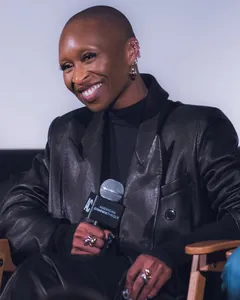 Cynthia ErivoG#2–E6 · mezzo-soprano
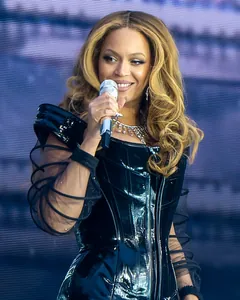 BeyoncéA2–F6 · mezzo-soprano
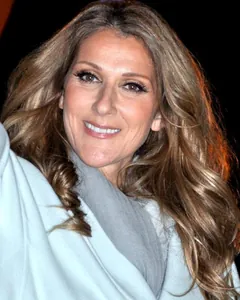 Céline DionB2–E6 · mezzo-soprano
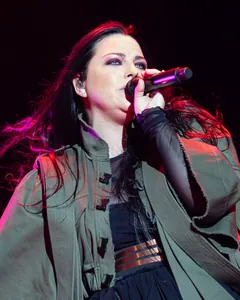 Amy LeeC3–E6 · mezzo-soprano
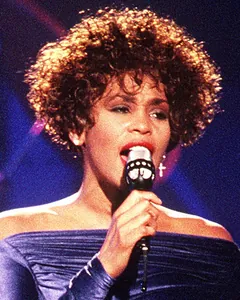 Whitney HoustonA2–C#6 · mezzo-soprano
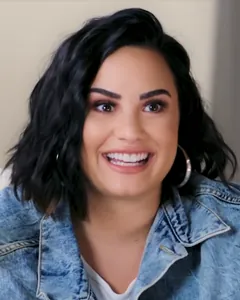 Demi LovatoC3–D#6 · mezzo-soprano
Photo: Atlantic Records (Life time: Published before 1978 without a copyright notice), Public domain, via Wikimedia Commons. Range figures are estimates compiled from recordings and are not endorsed by the artist.