 Singing Coach AI
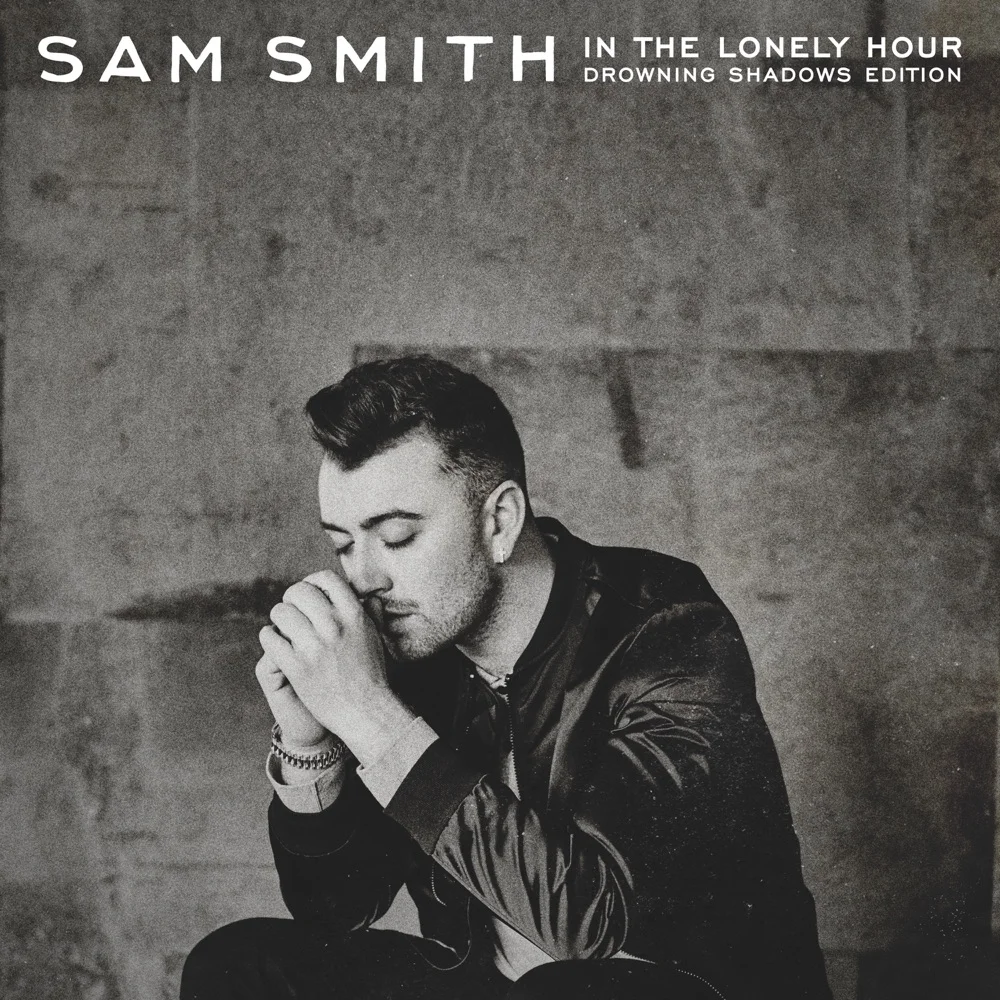
Mastering the Modern Soul Ballad
"I'm Not The Only One" is a vocal masterclass in restraint and agility. Featured on Sam Smith's debut album In the Lonely Hour, this track blends soul, pop, and blues influences. Unlike power ballads that rely on sheer volume, this song demands control over your mix voice and the ability to execute clean, rapid runs.
To sing this well, you need to channel a sense of vulnerability while maintaining technical precision. The challenge lies in the dynamic shifts—going from a whisper-quiet verse to a soaring chorus without cracking. Let's break down exactly how to tackle it, section by section.
Phase 1: The Verses (0:00 - 0:48)
The song begins in F major with a stripped-back arrangement. The entry "You and me, we made a vow" should be delivered with a breathy, chest-dominant tone. You want it to sound intimate, almost like a secret.
The Trap: It's easy to lose support when singing quietly. Ensure you are still engaging your diaphragm, even at low volumes, to prevent the pitch from going flat on the ends of phrases.
Phase 2: The Chorus (0:49 - 1:30)
The intensity builds as you hit the hook: "You say I'm crazy." This is where the vocal range jumps. You need to access your mixed voice to hit the higher notes (up to C5) without straining or flipping into a weak falsetto too early.
- "Crazy": This word sits right in the passaggio for many singers. Keep the vowel narrow to help navigate the bridge between chest and head voice.
- "I know": Requires a confident attack. Do not slide up to the note; hit it squarely in the center of the pitch.
Phase 3: The Bridge & Outro
The bridge offers the emotional peak of the song. The ad-libs here are famous for their complexity. Sam Smith often uses a technique called "cry" in the voice—a slight whimper sound that helps thin out the vocal cords for higher notes while adding emotional weight.
Focus on the rhythm of the runs. They are not random; they follow a specific melodic contour. Use the Singing Coach AI visualizer to trace these shapes as you sing.