 Singing Coach AI
Sam Smith’s vocal range: F2–B5 (tenor)
Soul-pop's velvet tenor with a floating head voice. Sam Smith’s range is commonly cited as roughly F2 to B5, about around 3.5 octaves. Estimates are compiled from studio recordings and live performances, so treat the exact edges as approximate.
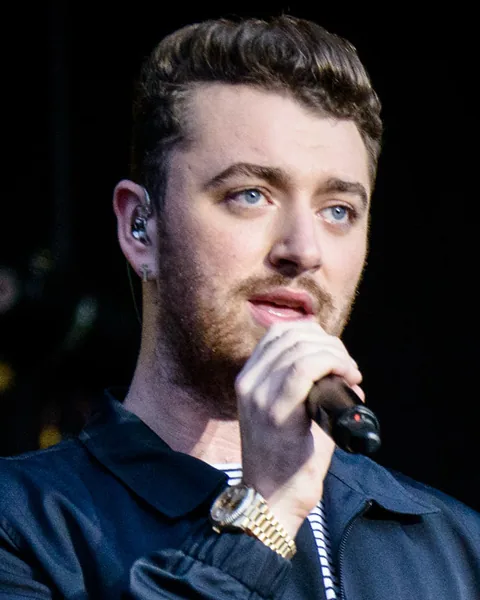
Sam Smith’s commonly cited range on the keyboard
Wondering how your voice compares? Take the free vocal range test. It takes about a minute, right in your browser.
The voice
Sam Smith is a light lyric tenor with a range commonly cited at roughly F2–B5, around three and a half octaves. Their voice is instantly recognisable for its silky, slightly nasal, soul-inflected tone and, above all, its head voice: a floating, pure top register that Smith slides into so smoothly that many listeners cannot tell where chest voice ends. Gospel-style melisma, delicate vibrato and a habit of leaping upward at the emotional peak of a line all define the sound, from Stay With Me to the growling low register of Unholy.
To sing Sam Smith well you need a seamless connection between chest and head voice. The ballads sit around F3–D5, which is comfortable for tenors and most female voices, but the melodies constantly cross the passaggio, so any bump between registers is exposed. The common mistake is breathiness: singers copy the softness without the support and the head voice collapses. Practise sliding slowly from a mid-range note up an octave on a light "oo" vowel, keeping the volume even, and only add the runs once the slide is clean.
Range moments worth studying
Stay With Me
The gospel-flavoured chorus sits around G4–C5 with a lift into head voice on "stay with me"; the verses stay low around C3–G3.
Too Good at Goodbyes
The chorus climbs to a sustained D5 in mixed head voice, with the rest of the song around F3–A4.
I'm Not the Only One
A smooth F3–C5 soul ballad, with the emotional peak on the chorus top notes around A4–C5.
Unholy
Shows the bottom of the voice: a low, growling verse around G#2–C3 before the hook jumps up around C#5.
Sing Sam Smith’s songs with feedback
Every song below has a full guide on this site: the range, the key, where the hard notes are, and how to practise them. Open one, then record it in the app to hear how close you are.
Can you sing it?
Tenors, mezzo-sopranos and sopranos can sing most of this catalogue. Start with I'm Not the Only One (F3–C5) or Stay With Me (C3–C5), and work on the chest-to-head transition before tackling Too Good at Goodbyes. A range label only tells you the edges. Whether a song feels good depends on where its melody sits. The Singing Coach AI app listens to you sing real songs, maps your range and tessitura, and tells you which keys and songs actually fit your voice, including whether Sam Smith’s catalogue is in reach today.
FAQ
What is Sam Smith’s voice type?
How many octaves can Sam Smith sing?
Does Sam Smith use falsetto or head voice?
Voices in the same neighbourhood
Singers whose cited range and voice type sit closest to Sam Smith’s. If one of them suits you, the other probably will too.
 Charlie PuthE2–B5 · tenor
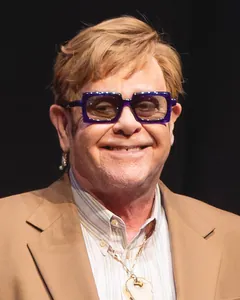 Elton JohnE2–C6 · tenor
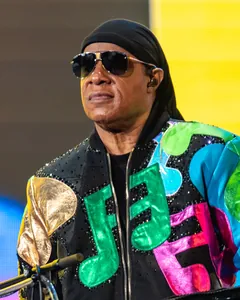 Stevie WonderD#2–B5 · tenor
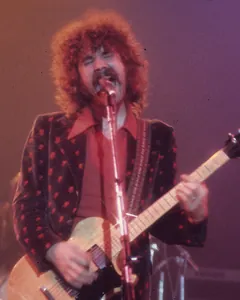 Brad DelpF#2–C#6 · tenor
 Conan GrayF#2–A5 · tenor
 George MichaelD2–B5 · tenor
Photo: © pitpony.photography, CC BY-SA 3.0, via Wikimedia Commons. Range figures are estimates compiled from recordings and are not endorsed by the artist.