 Singing Coach AI
The Art of the Slow Build
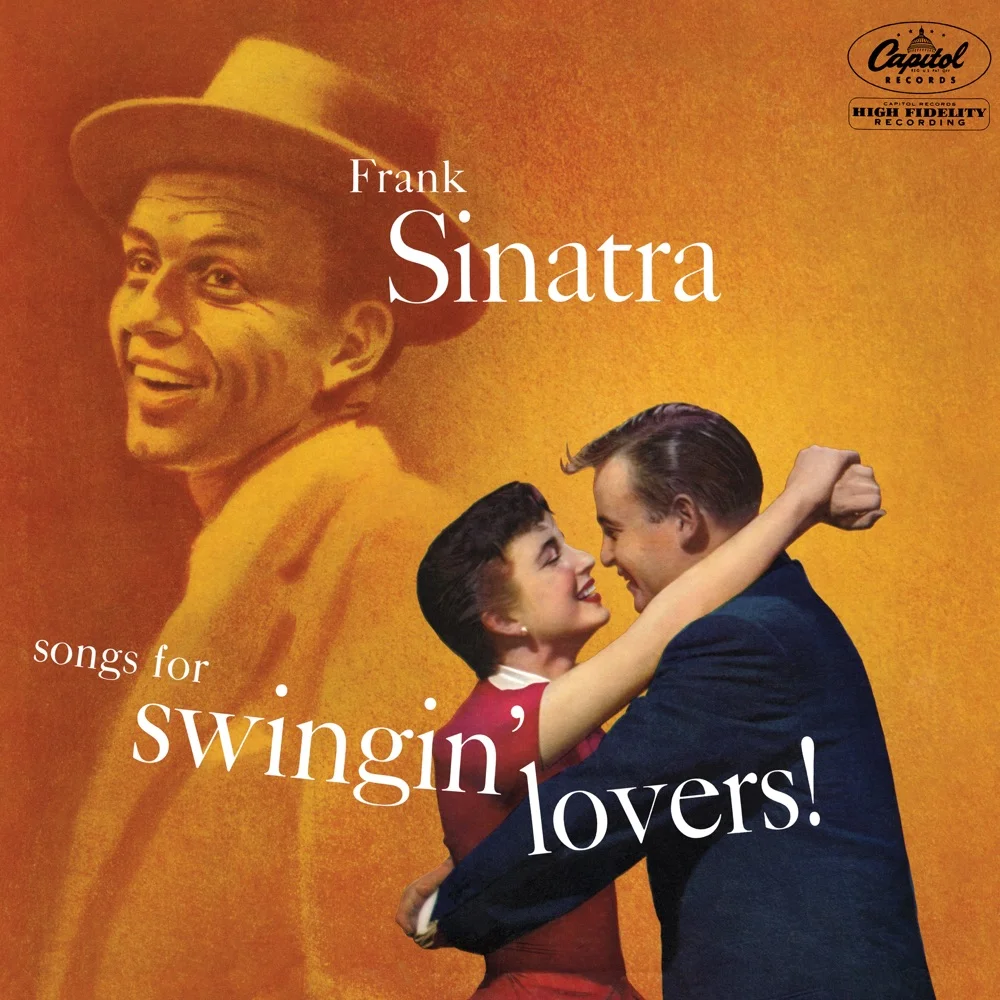
Written by Cole Porter and immortalized by Frank Sinatra in his 1956 album Songs for Swingin' Lovers!, this track is a masterclass in dynamic control. Unlike modern pop songs that stay loud throughout, this arrangement by Nelson Riddle starts intimate and grows into a powerful brass-driven climax.
To sing this well, you need to channel your inner Baritone smooth. It requires a relaxed larynx, excellent breath support for long legato lines, and the ability to "swing" lightly without rushing the beat.
Phase 1: The Casual Croon (0:00 - 1:45)
The song begins in Db Major. The tone should be conversational, almost like you are whispering in someone's ear. Keep the volume around a 3 or 4 out of 10.
The Technique: Focus on "Legato." Connect your vowels. Do not chop the words up. When Sinatra sings "deep in the heart of me," the vowels flow into one another like a river.
Phase 2: The Bridge (1:45 - 2:40)
After the instrumental break, the energy shifts. The lyrics "I'd sacrifice anything come what might" need more chest resonance. You are no longer whispering; you are declaring.
Be careful with the rhythm here. Sinatra creates tension by "back-phrasing"—singing just slightly behind the rigid beat of the drums. This creates that signature relaxed cool factor.
Phase 3: The Climax (2:40 - End)
The song builds to a fever pitch. The line "Don't you know, little fool, you never can win" climbs in pitch and volume. This leads to the highest belt of the song, an F4.
To hit the high F safely, maintain the "yawn" sensation in the back of your throat. If you tighten up, the note will sound thin and strained. Think of sending the sound out to the back of the room.