 Singing Coach AI
Morten Harket’s vocal range: C2–A5 (tenor)
The a-ha tenor with an operatic pop top. Morten Harket’s range is commonly cited as roughly C2 to A5, about 3.5 octaves. Estimates are compiled from studio recordings and live performances, so treat the exact edges as approximate.

Morten Harket’s commonly cited range on the keyboard
Wondering how your voice compares? Take the free vocal range test. It takes about a minute, right in your browser.
The voice
Morten Harket is a tenor with an exceptional range, commonly cited at roughly C2–A5, and one of the most distinctive voices of 1980s pop. The tone is clear, slightly cool and almost operatic in its evenness, with a chest voice that climbs far higher than most pop tenors manage before blending into a ringing head voice. What makes him recognisable is the sheer height of the melodies: the final line of Take On Me ends on a sustained E5 that a-ha wrote into the song and that he has kept hitting live for decades.
Singing Harket’s songs is about the top of the voice. Choruses sit around C5–E5, which is falsetto territory for most men, and he sings them in a full, connected head voice rather than a breathy flip. The common mistake is either shouting the E5 in chest voice or letting it collapse into a thin falsetto. The answer is a light, well-supported mix, developed gradually. Practical tip: take Take On Me down three or four keys and sing the climbing line “I’ll be gone in a day or two” on a lip trill, raising the key one step at a time only as the top stays easy.
His stamina is as notable as his range: Summer Moved On features a single note held for around twenty seconds, one of the longest in a chart single. Long holds like that need excellent breath management rather than force, so warm up properly, build the length gradually over weeks, and stop if the throat tightens or the sound starts to strain.
Range moments worth studying
Take On Me
The famous ascending line climbs stepwise through the top of the tenor range to a sustained E5 on “in a day or two,” one of the most recognisable high notes in pop.
Summer Moved On
Contains a held note commonly timed at around twenty seconds, sung at the top of the chest mix; a breath-control showcase.
The Sun Always Shines on T.V.
A soft, low intro that suddenly opens into a soaring, sustained chorus high in the voice; the register contrast is the whole song.
Hunting High and Low
A ballad with a low, intimate verse and a chorus that floats up into head voice, then falls away again.
Can you sing it?
Tenors with a strong head voice are the natural fit; start with Crying in the Rain or Hunting High and Low, which are gentler on the top, and treat the E5 finale of Take On Me as a long-term target, ideally transposed down at first. A range label only tells you the edges. Whether a song feels good depends on where its melody sits. The Singing Coach AI app listens to you sing real songs, maps your range and tessitura, and tells you which keys and songs actually fit your voice, including whether Morten Harket’s catalogue is in reach today.
FAQ
What is Morten Harket’s voice type?
How many octaves can Morten Harket sing?
Is Take On Me hard to sing?
Voices in the same neighbourhood
Singers whose cited range and voice type sit closest to Morten Harket’s. If one of them suits you, the other probably will too.
 Robert PlantD2–A5 · tenor
 Thom YorkeC2–B5 · tenor
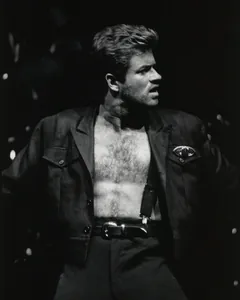 George MichaelD2–B5 · tenor
 Stevie WonderD#2–B5 · tenor
 Charlie PuthE2–B5 · tenor
 Conan GrayF#2–A5 · tenor
Photo: Sven-Sebastian Sajak, CC BY-SA 3.0, via Wikimedia Commons. Range figures are estimates compiled from recordings and are not endorsed by the artist.