 Singing Coach AI
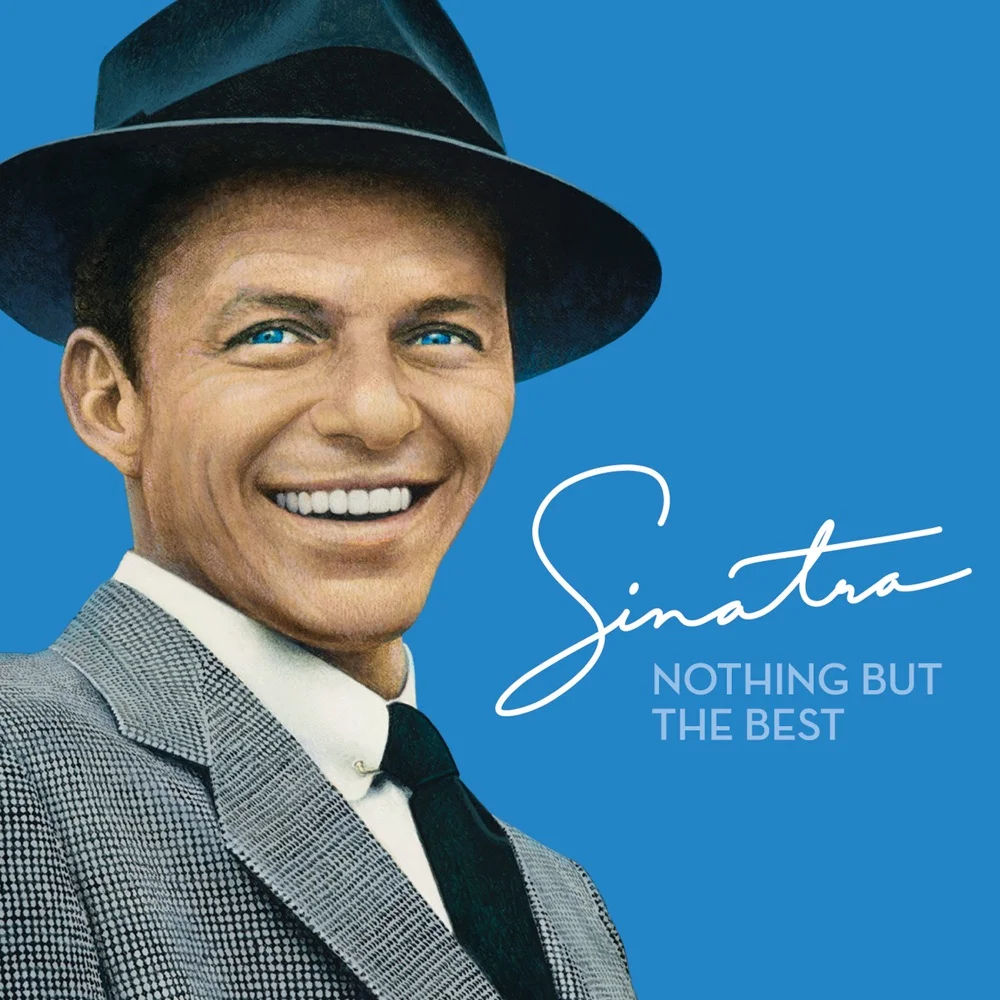
The Ultimate Anthem of Resilience
"That’s Life" is more than just a standard; it’s a vocal attitude check. Released in 1966 on the album of the same name, this blues-influenced track allows singers to showcase their storytelling ability and dynamic range. While often associated with the 'Rat Pack' cool, the song requires gritty determination and solid technique to pull off the final modulation.
To sing this like Sinatra, you can't be stiff. You need to master the art of "back phrasing"—singing slightly behind the beat—while maintaining enough breath support to power through the key change at the end. Let's break it down.
Phase 1: The Story (G Major)
The song starts in G Major with a simple Hammond organ line. The vocals here should be conversational but punchy. Sinatra emphasizes the consonants: "Puppet, Pauper, Pirate, Poet."
The Trap: Don't start too loud. The song builds in intensity. If you belt the first verse, you'll have nowhere to go when the brass section kicks in later.
Phase 2: The Build Up (Modulation)
After the instrumental break, the song modulates up a semitone to Ab Major. This creates an immediate lift in energy. The line "I've been up and down and over and out" requires a mix of chest resonance and forward placement.
- Articulation: Keep the vowels open on "roll myself up in a big ball."
- Breath: Take a deep, low breath before "And get back in the race," as this phrase requires sustained power.
Phase 3: The Final Belt (Ab4)
The climax of the song is the final "My, My, My..." leading into the sustained "That's LIIIIIIFE." The final note is an Ab4, which sits right at the break (passaggio) for many baritones.
To hit this note safely, drop your jaw and think of the sound traveling out the back of your head rather than pushing it forward. This helps engage the soft palate and prevents straining the throat.