 Singing Coach AI
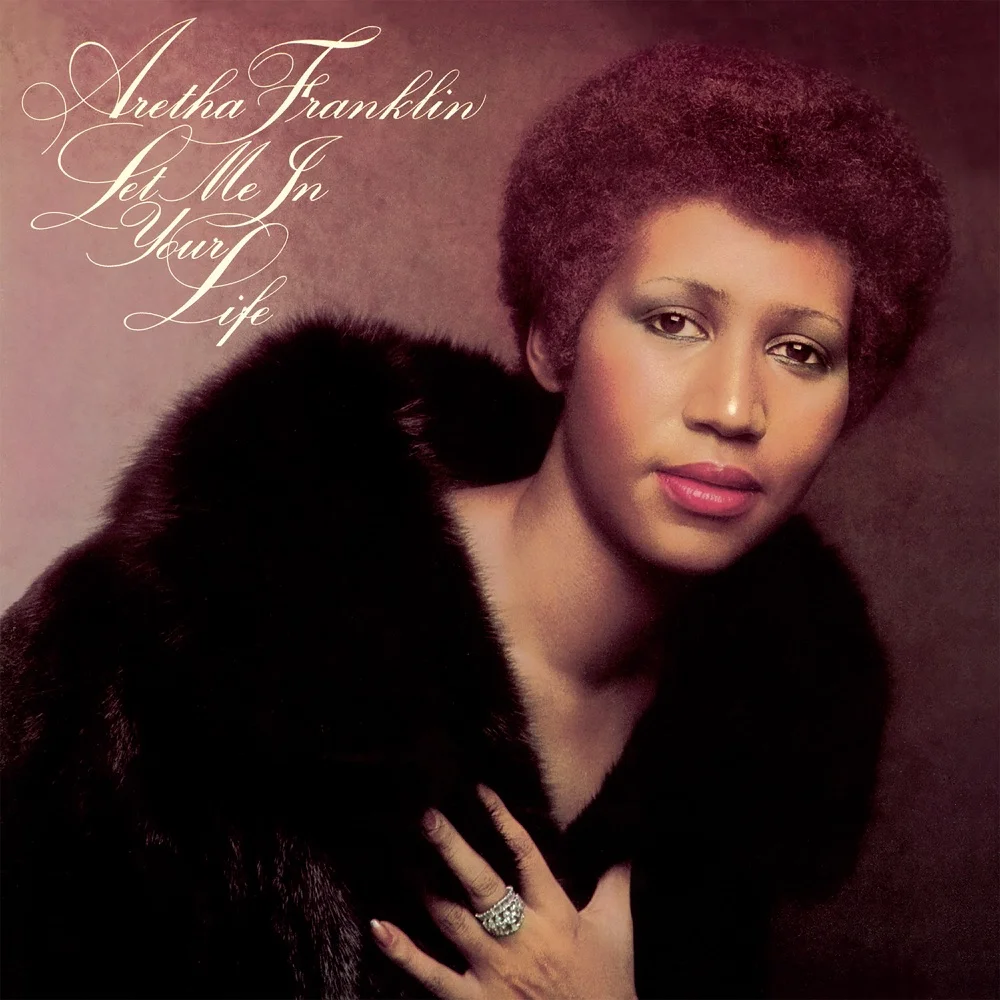
Mastering the Queen of Soul's Classic
"Until You Come Back To Me (That's What I'm Gonna Do)" is a masterclass in controlled soul singing. Originally co-written by Stevie Wonder, Aretha Franklin's 1973 version became the definitive hit. Unlike power ballads that rely on sheer volume, this song requires rhythmic precision and emotional subtlety.
The song sits comfortably in a Mezzo-Soprano range but challenges the singer with its syncopated rhythms and "call and response" interaction with the backing vocals. Let's break down how to capture the essence of this track.
Phase 1: The Conversational Verse
The song opens with "Even though you don't want me, I'll wait for you." The key here is a conversational tone. You aren't shouting; you are telling a story.
The Trap: Avoid making it too breathy. You need a clear, focused tone. Aretha uses a light chest mix here. Pay attention to the diction on consonants to keep the rhythm driving forward.
Phase 2: The Chorus Lift
When you hit "I'm gonna keep on lovin' you," the energy lifts. This is where you open up your throat space.
- Dynamics: Swell into the phrase. Don't hit the first note at 100% volume.
- Placement: Keep the resonance forward in the "mask" of your face (around the nose and cheekbones). This gives the sound that signature "twang" without straining your vocal cords.
Phase 3: The Bridge and Outro
The bridge introduces more complex melodic lines. The outro features Aretha's signature ad-libs and runs. She mimics the flute lines, weaving in and out of the melody.
To practice these runs (melisma), slow the track down in the Singing Coach AI app. Focus on hitting every single note in the run cleanly before speeding it back up. Smearing the notes will result in a lower pitch score.