 Singing Coach AI
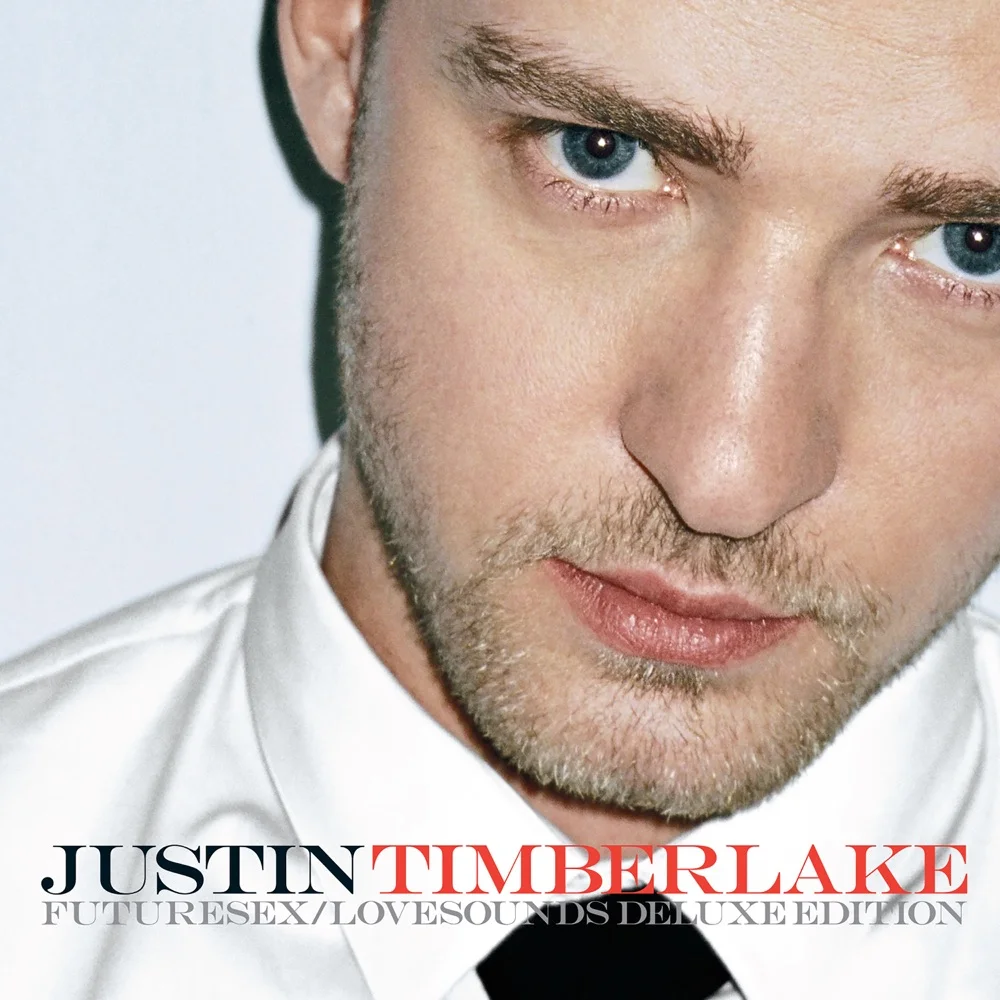
The Ultimate Modern Breakup Anthem
Released on the seminal 2006 album FutureSex/LoveSounds, "What Goes Around...Comes Around" is a masterclass in modern pop vocals. Produced by Timbaland, the track blends Eastern European folk strings with heavy R&B percussion. For a vocalist, it presents a unique challenge: maintaining a smooth, airy falsetto over a driving beat.
Justin Timberlake’s vocal performance here is all about texture and rhythm. He slides effortlessly between his natural tenor chest voice and a piercing, emotive falsetto. Let's break down how to handle the transitions.
Phase 1: The Verses (Storytelling)
The song begins in A Minor. The verses sit in a comfortable mid-range for most male voices. The key here is rhythm. JT sings slightly "behind the beat," creating a laid-back, cool pocket.
The Trap: Don't over-sing the verses. The lyrics are conversational. If you use too much vibrato here, it will sound operatic and out of place for R&B/Pop.
Phase 2: The Chorus (The High C)
This is the most recognizable part of the song. The melody jumps up into head voice/falsetto range, hitting notes around C5.
- Placement: direct the sound towards your nose and forehead (mask resonance) to get that bright, "pingy" tone that cuts through the mix.
- Breath Support: Engage your diaphragm. Even though it's falsetto, it needs a strong foundation of air to prevent cracking.
- Pitch Accuracy: The AI Coach often detects sliding here. Try to hit the notes cleanly rather than scooping up to them.
Phase 3: The "Comes Around" Breakdown
Towards the end (around the 5-minute mark in the album version), the song changes tempo and feel. The phrasing becomes more staccato and aggressive.
The vocals here are layered and rhythmic. Focus on the articulation of consonants. The repeated "What goes around, comes around" lines act almost like a percussion instrument. Tighten your core and treat your voice like a drum.