 Singing Coach AI
Justin Timberlake’s vocal range: C#2–B5 (lyric tenor)
From *NSYNC harmonies to falsetto-led solo pop. Justin Timberlake’s range is commonly cited as roughly C#2 to B5, nearly 4 octaves. Estimates are compiled from studio recordings and live performances, so treat the exact edges as approximate.
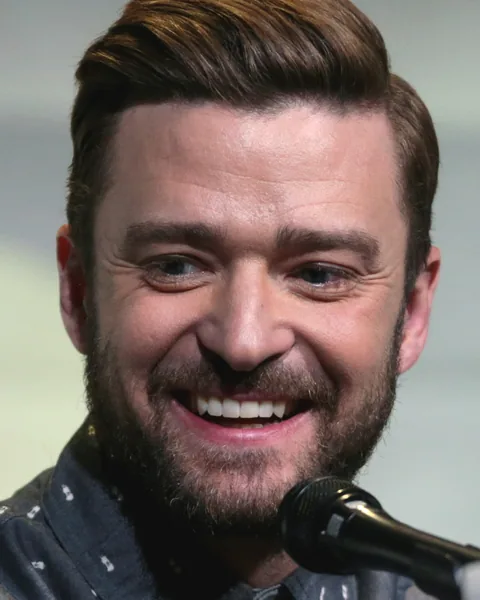
Justin Timberlake’s commonly cited range on the keyboard
Wondering how your voice compares? Take the free vocal range test. It takes about a minute, right in your browser.
The voice
Justin Timberlake is a lyric tenor with a commonly cited recorded range of roughly C#2 to B5, nearly four octaves, though the extremes are rare. His signature is the falsetto, light and rhythmic, used for whole hooks rather than the odd high note, in a style that owes a lot to Michael Jackson and to the Timbaland and Neptunes productions he built his solo career on. Underneath sits a warm, slightly nasal chest voice that he often keeps low and speech-like in the verses.
Timberlake songs are deceptively hard because of rhythm. Cry Me a River and What Goes Around...Comes Around switch between a low, conversational chest voice and falsetto lines several times a phrase, always locked to the beat. The usual mistake is letting the falsetto go breathy and late. Practice the hook slowly with a metronome, make the falsetto slightly brighter than feels natural, and keep the chest voice relaxed so the switch costs nothing. Most of his catalogue suits tenors and light baritones in the original keys.
Range moments worth studying
Cry Me a River
Listed at G2 to B4. Low, half-spoken verses against a falsetto-laced chorus, a classic test of switching registers cleanly and in time.
SexyBack
Listed at F#2 to B4 and mostly delivered as a low, distorted half-whisper; attitude and timing matter more than melody.
Mirrors
Listed at E3 to C5. A long, building ballad that moves from mid-range verses to a soaring mix and falsetto in the extended outro.
Can't Stop the Feeling!
Listed at E3 to C5: a bright, upbeat chest-mix that sits comfortably for most tenors, and the easiest of his big hits to start with.
Sing Justin Timberlake’s songs with feedback
Every song below has a full guide on this site: the range, the key, where the hard notes are, and how to practise them. Open one, then record it in the app to hear how close you are.
Can you sing it?
Tenors and light baritones can start with Can't Stop the Feeling! (E3 to C5) or Mirrors; Cry Me a River is the one for practicing chest-to-falsetto switches. New to voice types? Read what it means to be a tenor, or take the free voice type test to see where you fit. A range label only tells you the edges. Whether a song feels good depends on where its melody sits. The Singing Coach AI app listens to you sing real songs, maps your range and tessitura, and tells you which keys and songs actually fit your voice, including whether Justin Timberlake’s catalogue is in reach today.
FAQ
What is Justin Timberlake's voice type?
How many octaves can Justin Timberlake sing?
Does Justin Timberlake sing in falsetto?
Voices in the same neighbourhood
Singers whose cited range and voice type sit closest to Justin Timberlake’s. If one of them suits you, the other probably will too.
 Adam LambertD2–B5 · tenor
 Geddy LeeC2–B5 · tenor
 George MichaelD2–B5 · tenor
 Thom YorkeC2–B5 · tenor
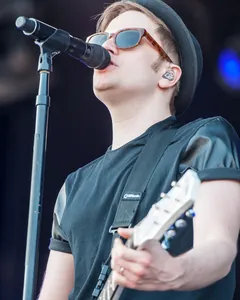 Patrick StumpC#2–A5 · tenor
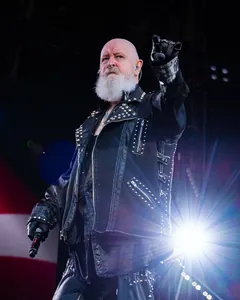 Rob HalfordC2–C6 · tenor
Photo: Gage Skidmore, CC BY-SA 3.0, via Wikimedia Commons. Range figures are estimates compiled from recordings and are not endorsed by the artist.