 Singing Coach AI
Whitney Houston’s vocal range: A2–C#6 (mezzo-soprano)
The Voice, pop's gold standard for belting. Whitney Houston’s range is commonly cited as roughly A2 to C#6, about just over 3 octaves. Estimates are compiled from studio recordings and live performances, so treat the exact edges as approximate.
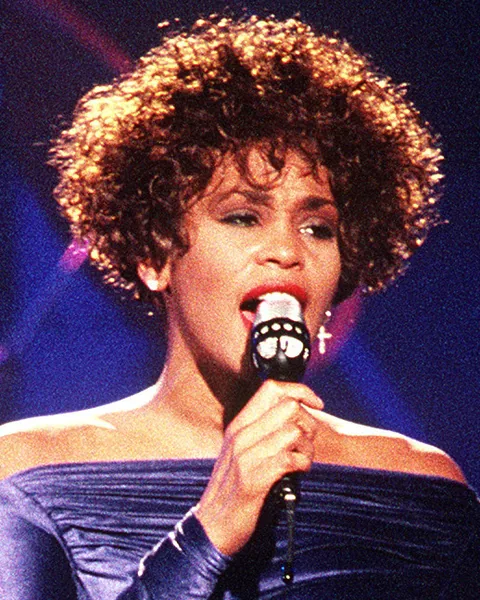
Whitney Houston’s commonly cited range on the keyboard
Wondering how your voice compares? Take the free vocal range test. It takes about a minute, right in your browser.
The voice
Whitney Houston was a mezzo-soprano with a range commonly cited at roughly A2–C#6, just over three octaves, but numbers undersell her. What the industry simply called "The Voice" was a big, bright, gospel-trained instrument with a chest voice that stayed rich and ringing well into the fifth octave. Her sound is instantly recognisable for the effortless power of her belt, the pin-sharp intonation, and the way a held note could swell, decorate itself with a run, and land exactly where she wanted it.
Singing Whitney means singing high in full voice for a long time. Her choruses live around A4–E5, a zone many singers can reach but few can sustain without shouting. The common mistake is to push chest voice up by force; she used a strong, supported mix that kept the tone open and the throat free. Practise carrying a bright, forward vowel from the middle of your voice upward at medium volume, then add power gradually. If a note only comes out as a yell, drop the key rather than the technique.
Range moments worth studying
I Will Always Love You
The a cappella opening sits around A3–D4, then the modulation in the final chorus lifts the famous "and I" belt up to around E5 in full chest voice.
I Wanna Dance with Somebody
A dance track with a demanding tessitura: the chorus hangs around B4–D#5 and the ad-libs at the end reach up around C#6.
How Will I Know
Brighter and lighter, mostly between F3 and F#5, with quick, joyful phrases that test your breath more than your top notes.
Saving All My Love for You
A slow build from a warm G3 verse to an F5 climax, with a gospel-style bend on almost every held note.
Sing Whitney Houston’s songs with feedback
Every song below has a full guide on this site: the range, the key, where the hard notes are, and how to practise them. Open one, then record it in the app to hear how close you are.
Can you sing it?
Mezzo-sopranos and sopranos with a strong mix will get the most out of this catalogue. Start with My Love Is Your Love (F3–C5) or Saving All My Love for You (G3–F5) before attempting the big belted ballads. A range label only tells you the edges. Whether a song feels good depends on where its melody sits. The Singing Coach AI app listens to you sing real songs, maps your range and tessitura, and tells you which keys and songs actually fit your voice, including whether Whitney Houston’s catalogue is in reach today.
FAQ
What was Whitney Houston’s voice type?
How many octaves could Whitney Houston sing?
Can a beginner sing Whitney Houston’s songs?
Voices in the same neighbourhood
Singers whose cited range and voice type sit closest to Whitney Houston’s. If one of them suits you, the other probably will too.
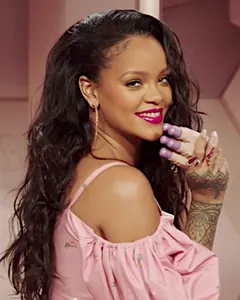 RihannaB2–D6 · mezzo-soprano
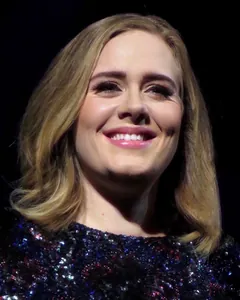 AdeleC3–C6 · mezzo-soprano
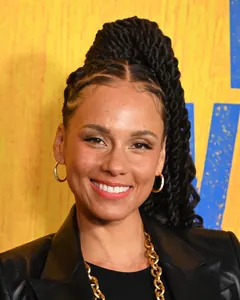 Alicia KeysC3–C6 · mezzo-soprano
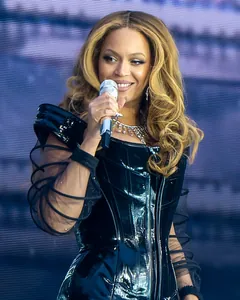 BeyoncéA2–F6 · mezzo-soprano
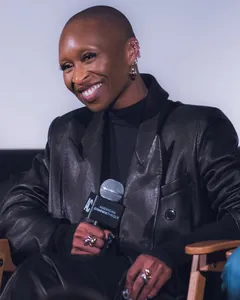 Cynthia ErivoG#2–E6 · mezzo-soprano
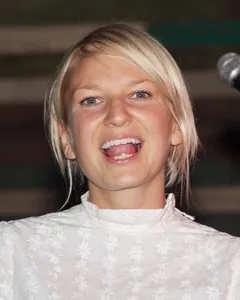 SiaC3–C6 · mezzo-soprano
Photo: PH2 Mark Kettenhofen, Public domain, via Wikimedia Commons. Range figures are estimates compiled from recordings and are not endorsed by the artist.