 Singing Coach AI
The Golden Standard of Soul Vocals
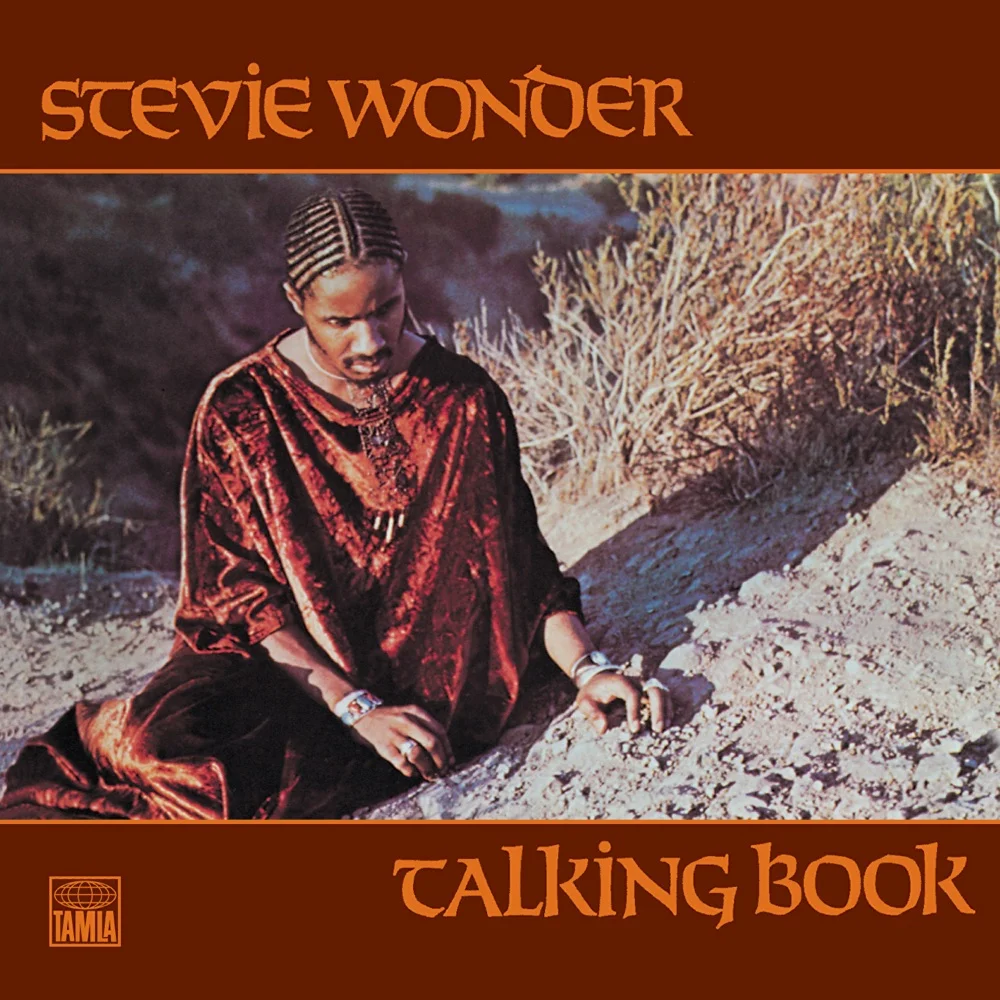
Released on the 1972 album Talking Book, "You Are The Sunshine Of My Life" is one of Stevie Wonder's most beloved tracks. Unlike his funkier hits, this song relies on a smooth, warm tone and intricate major-scale phrasing. It flows effortlessly, but that flow is the result of impeccable breath control.
To sing this well, you need to abandon the "belting" mentality. This song is about intimacy, groove, and the subtle "runs" that connect the melody lines. Let's break down the technical approach required to sound like a pro.
Phase 1: The Verse (Soft Onset)
The song opens with a gentle electric piano, and your voice must match that texture. The range here is comfortable for most Tenors and Baritones (starting around B2/C#3). The challenge is the "onset."
The Technique: Use a "soft onset" (adding a tiny bit of 'h' sound before vowels) to prevent a hard glottal attack. This makes the delivery sound romantic and effortless rather than punchy or aggressive.
Phase 2: The Chorus & Harmony
The melody ascends in the chorus. Stevie often colors these lines with melisma—singing multiple notes for one syllable.
- Sunshine: Hold this note steady with a light vibrato at the very end.
- Life: This word often carries a downward run. Don't rush it. The AI Coach tracks your rhythmic precision here.
- Apple of my eye: This is the emotional peak. Keep the placement forward in the "mask" of your face to get that ringing, soulful quality.
Phase 3: The Modulation (End Game)
Towards the end of the song, the key shifts up a semitone (from B Major to C Major). This lifts the energy without changing the tempo. You need to mentally prepare for this shift so you don't sing flat.
Stevie also introduces more complex ad-libs here. If you are a beginner, stick to the main melody. If you are advanced, try mimicking his pentatonic runs, but keep them light and fluid.