 Singing Coach AI
SZA’s vocal range: D3–D6 (mezzo-soprano)
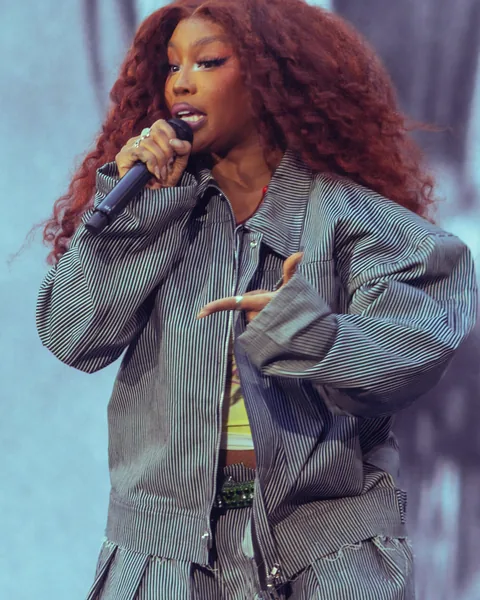
Conversational alt-R&B with a floaty head voice. SZA’s range is commonly cited as roughly D3 to D6, about about 3 octaves. Estimates are compiled from studio recordings and live performances, so treat the exact edges as approximate.
SZA’s commonly cited range on the keyboard
Wondering how your voice compares? Take the free vocal range test. It takes about a minute, right in your browser.
The voice
SZA is a mezzo-soprano with a commonly cited range of roughly D3–D6, about three octaves, though references vary. The instrument is airy and conversational: she sings just above a speaking voice, with jazz-shaped melodies that wander through unexpected notes, a light head voice she flips into mid-phrase, and phrasing that sits behind the beat. Rather than big sustained belts, the drama on SOS and Ctrl comes from tone, intimacy and rhythmic freedom, and from harmonies stacked in her own voice.
Covering SZA is mostly about feel. The notes are moderate, generally G3–E5, but the melodies are unusual and rhythmically loose, so learn them slowly against the record before trying to loosen them yourself. Keep the sound light and breathy at the bottom without letting the pitch sag, and practise the flip into head voice on the little upward turns she uses at the ends of lines. The common mistake is singing her too straight, or too heavily; she is more jazz than power ballad. Record yourself and listen for the lazy, behind-the-beat placement.
Range moments worth studying
Kill Bill
Deceptively sweet melody in the F3–C5 range, with the darkest lyric on the album sung in a light, almost childlike tone.
Snooze
A warm, mid-range groove around G3–C5, ideal for practising her rhythmic phrasing and small head-voice turns.
Good Days
Dreamy and floaty, with the chorus drifting into head voice around C#5 and layered harmonies.
The Weekend
Neo-soul slow jam whose bridge pushes higher, up to around E5 in the library’s chart, in a soft head voice.
Sing SZA’s songs with feedback
Every song below has a full guide on this site: the range, the key, where the hard notes are, and how to practise them. Open one, then record it in the app to hear how close you are.
Can you sing it?
Almost any female voice type, and many tenors, can attempt her catalogue; start with Kill Bill (F3–C5) or Snooze (G3–C5) before the head-voice reaches of The Weekend. A range label only tells you the edges. Whether a song feels good depends on where its melody sits. The Singing Coach AI app listens to you sing real songs, maps your range and tessitura, and tells you which keys and songs actually fit your voice, including whether SZA’s catalogue is in reach today.
FAQ
What is SZA’s voice type?
How many octaves can SZA sing?
Does SZA use head voice or belt?
Voices in the same neighbourhood
Singers whose cited range and voice type sit closest to SZA’s. If one of them suits you, the other probably will too.
 Billie EilishD3–B5 · mezzo-soprano
 Demi LovatoC3–D#6 · mezzo-soprano
 Lana Del ReyD3–B5 · mezzo-soprano
 MadonnaD3–B5 · mezzo-soprano
 RihannaB2–D6 · mezzo-soprano
Photo: Raph_PH, CC BY 4.0, via Wikimedia Commons. Range figures are estimates compiled from recordings and are not endorsed by the artist.