 Singing Coach AI
Céline Dion’s vocal range: B2–E6 (mezzo-soprano)
Power ballad queen with surgical breath control. Céline Dion’s range is commonly cited as roughly B2 to E6, about 3+ octaves. Estimates are compiled from studio recordings and live performances, so treat the exact edges as approximate.
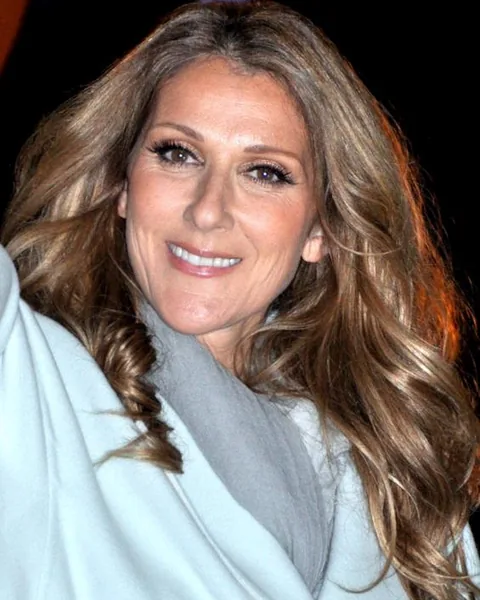
Céline Dion’s commonly cited range on the keyboard
Wondering how your voice compares? Take the free vocal range test. It takes about a minute, right in your browser.
The voice
Céline Dion is usually classified as a mezzo-soprano with a soprano-like top, and her full recorded range is commonly cited at roughly B2–E6. The sound is instantly recognisable: a bright, laser-focused tone, an evenly spun vibrato, and a belt that seems to get cleaner as it goes higher. Just as important is the breath management. Dion can crescendo through a long phrase in My Heart Will Go On or All by Myself and land the final note with the same steadiness she started with.
Her ballads sit high for most amateur singers. Verses hover around the middle of the staff, but the big choruses live around C5–D#5 and stay there, so the challenge is stamina rather than one heroic note. You need a well-supported mix that can be sustained without pushing, and enough breath planning to survive the key change in My Heart Will Go On. A common mistake is to attack the climactic notes at full volume from the start; Dion builds them. Practise the chorus at medium volume, sliding into the top notes on a vowel, before adding the drama.
Range moments worth studying
My Heart Will Go On
Sits between B3 and D#5, with the final chorus modulating up a semitone so the last big lines land around D#5, sustained over the strings.
All by Myself
Spans roughly G3–F5; the ‘don’t wanna live’ climax is a long sustained F5 that famously stretches her breath control to the limit.
The Power of Love
A gradual build from a low, intimate verse around G#3 to a chorus that peaks around D#5 in full belt.
It’s All Coming Back to Me Now
Nearly eight minutes in the album version, with repeated choruses reaching F5; it is a test of endurance as much as range.
Sing Céline Dion’s songs with feedback
Every song below has a full guide on this site: the range, the key, where the hard notes are, and how to practise them. Open one, then record it in the app to hear how close you are.
Can you sing it?
Mezzo-sopranos and sopranos with a strong belt are the natural fit, though most singers will want to lower the key at first. Start with Because You Loved Me or My Heart Will Go On, which top out around D#5, before moving on to All by Myself. A range label only tells you the edges. Whether a song feels good depends on where its melody sits. The Singing Coach AI app listens to you sing real songs, maps your range and tessitura, and tells you which keys and songs actually fit your voice, including whether Céline Dion’s catalogue is in reach today.
FAQ
What is Céline Dion’s voice type?
How many octaves can Céline Dion sing?
Can a beginner sing Céline Dion’s songs?
Voices in the same neighbourhood
Singers whose cited range and voice type sit closest to Céline Dion’s. If one of them suits you, the other probably will too.
 Amy LeeC3–E6 · mezzo-soprano
 Demi LovatoC3–D#6 · mezzo-soprano
 RihannaB2–D6 · mezzo-soprano
 BeyoncéA2–F6 · mezzo-soprano
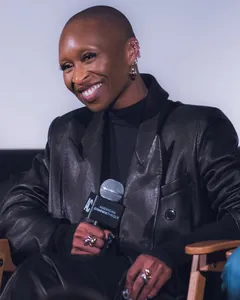 Cynthia ErivoG#2–E6 · mezzo-soprano
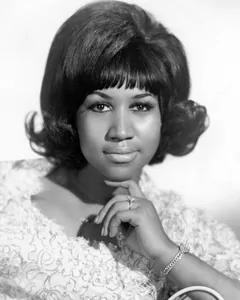 Aretha FranklinG2–E6 · mezzo-soprano
Photo: Georges Biard, CC BY-SA 3.0, via Wikimedia Commons. Range figures are estimates compiled from recordings and are not endorsed by the artist.