 Singing Coach AI
Chester Bennington’s vocal range: G#2–A5 (tenor)
Nu-metal’s most emotional scream and croon. Chester Bennington’s range is commonly cited as roughly G#2 to A5, about about 3 octaves. Estimates are compiled from studio recordings and live performances, so treat the exact edges as approximate.

Chester Bennington’s commonly cited range on the keyboard
Wondering how your voice compares? Take the free vocal range test. It takes about a minute, right in your browser.
The voice
Chester Bennington was a tenor whose recorded range is commonly cited at roughly G#2–A5, including his screams. The clean voice was warm and slightly nasal with a fast vibrato, capable of real tenderness on a verse before switching, sometimes mid-word, into a full-throated scream. That contrast was the Linkin Park sound: a melodic, almost pop-sensitive singer sitting inside a heavy band. Even at his loudest there was pitch in the distortion, which is why choruses like In the End and Numb are as singable as they are cathartic.
Covering Chester means handling two very different techniques. The clean choruses sit high for most men, typically in the upper chest and mix around A4–C#5, and they need to stay bright and supported so they cut through guitars. The screams are the risky part: they are a trained, distorted sound produced with airflow and a relaxed throat, not a shout. A common mistake is trying to imitate the grit by squeezing, which hurts quickly and does not sound right. Practical tip: sing Numb clean first, in a key that suits you, and keep the tone forward without any push.
A care note: the screams on Given Up and One Step Closer took years of practice and even then were hard on the voice. Warm up thoroughly, keep any distorted sound light and brief, and stop immediately if it hurts, tickles or leaves you hoarse. For most singers, clean versions of his melodies are a better goal than the screams, and a teacher who understands rock technique is worth finding before you experiment with distortion.
Range moments worth studying
Numb
The chorus rises to around C#5 in a mixed chest voice; it is the classic Chester line, loud but still melodic.
In the End
Verses are rapped by Mike Shinoda, then the chorus (“I tried so hard…”) lands high in the tenor range and needs a clean, ringing tone.
Crawling
A quiet, strained verse building into a chorus that alternates between a full belt and a raw, controlled scream.
Given Up
Contains the famous held scream, commonly timed at around 17 seconds: a stamina feat rather than a note to aim for.
Can you sing it?
Tenors and high baritones can sing Chester’s clean lines; start with Numb or Shadow of the Day (transposed down if needed) and leave the screams of Given Up and One Step Closer until the clean voice is strong. A range label only tells you the edges. Whether a song feels good depends on where its melody sits. The Singing Coach AI app listens to you sing real songs, maps your range and tessitura, and tells you which keys and songs actually fit your voice, including whether Chester Bennington’s catalogue is in reach today.
FAQ
What was Chester Bennington’s voice type?
How many octaves could Chester Bennington sing?
Is it safe to sing like Chester Bennington?
Voices in the same neighbourhood
Singers whose cited range and voice type sit closest to Chester Bennington’s. If one of them suits you, the other probably will too.
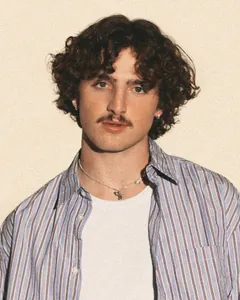 Benson BooneG#2–A5 · tenor
 Ed SheeranG2–A5 · tenor
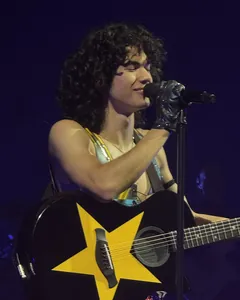 Conan GrayF#2–A5 · tenor
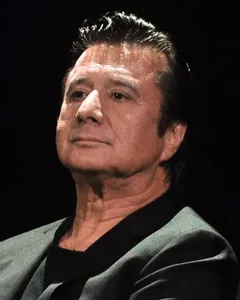 Steve PerryF#2–A5 · tenor
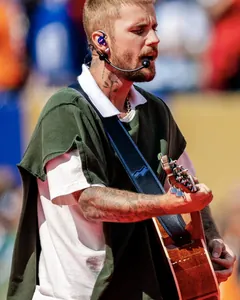 Justin BieberA2–G5 · tenor
 Bruno MarsG#2–E5 · tenor
Photo: Stefan Brending (2eight), CC BY-SA 3.0, via Wikimedia Commons. Range figures are estimates compiled from recordings and are not endorsed by the artist.