 Singing Coach AI
Justin Bieber’s vocal range: A2–G5 (tenor)
Teen idol turned R&B-leaning pop tenor. Justin Bieber’s range is commonly cited as roughly A2 to G5, about around 3 octaves. Estimates are compiled from studio recordings and live performances, so treat the exact edges as approximate.
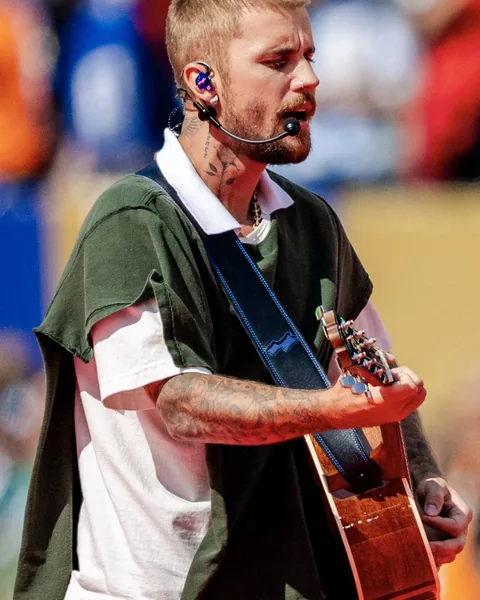
Justin Bieber’s commonly cited range on the keyboard
Wondering how your voice compares? Take the free vocal range test. It takes about a minute, right in your browser.
The voice
Justin Bieber is a light tenor whose range is commonly cited at roughly A2–G5, around three octaves. The boy-soprano brightness of Baby matured into a smoother, breathier instrument that leans on R&B phrasing: soft, close-mic'd verses, a pillowy falsetto, and quick melodic runs that slip in and out of head voice. It is not a big voice, and that is part of the appeal. His recognisable sound comes from tone and rhythm rather than power, and from melodies that sit in a range most singers can reach.
The core skill for singing Bieber is a smooth, low-volume flip between chest voice and falsetto. Songs like Sorry and What Do You Mean? hover around the passaggio for a tenor, roughly D4–G4, then hop up to falsetto hooks around C5–D#5. The usual mistake is treating the falsetto as an afterthought so that it comes out breathy and flat. Keep the airflow steady and the volume even across the flip, and record yourself: the difference between his light mix and a strained chest belt is obvious on playback.
Range moments worth studying
Sorry
The chorus lives in falsetto around C5–D#5, flipped in and out of quickly over a dancehall beat; the verses stay low around D#3–G4.
Ghost
The widest song in his library, running from D3 up to a head-voice E5 in the final chorus, with a lot of soft-to-loud dynamic contrast.
Love Yourself
Conversational and low, sitting between B2 and B4, which makes it one of the easiest Bieber songs to sing well.
Peaches
Verses drop to a lazy A2–C3 before the chorus lifts up around G4–C5 in a relaxed mix.
Sing Justin Bieber’s songs with feedback
Every song below has a full guide on this site: the range, the key, where the hard notes are, and how to practise them. Open one, then record it in the app to hear how close you are.
Can you sing it?
Tenors and baritones with an easy falsetto can sing most of this catalogue. Start with Love Yourself (B2–B4) or Despacito (F#3–A4), then move on to the falsetto hooks in Sorry. A range label only tells you the edges. Whether a song feels good depends on where its melody sits. The Singing Coach AI app listens to you sing real songs, maps your range and tessitura, and tells you which keys and songs actually fit your voice, including whether Justin Bieber’s catalogue is in reach today.
FAQ
What is Justin Bieber’s voice type?
How many octaves can Justin Bieber sing?
Does Justin Bieber use falsetto?
Voices in the same neighbourhood
Singers whose cited range and voice type sit closest to Justin Bieber’s. If one of them suits you, the other probably will too.
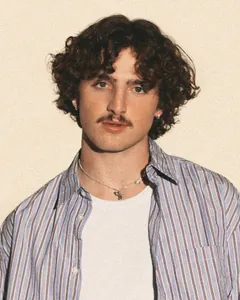 Benson BooneG#2–A5 · tenor
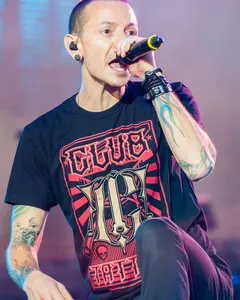 Chester BenningtonG#2–A5 · tenor
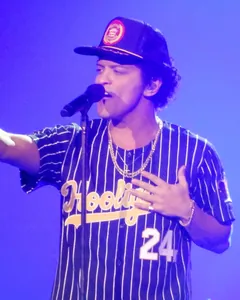 Bruno MarsG#2–E5 · tenor
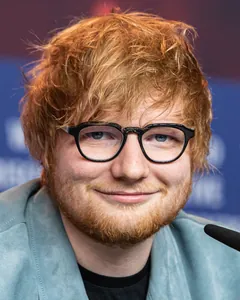 Ed SheeranG2–A5 · tenor
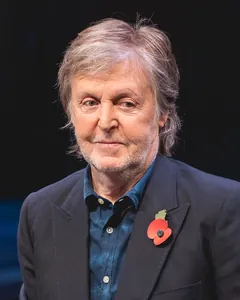 Paul McCartneyG2–F5 · tenor
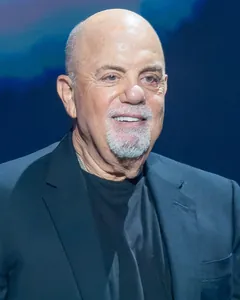 Billy JoelF2–F#5 · tenor
Photo: Daniel Torok, Public domain, via Wikimedia Commons. Range figures are estimates compiled from recordings and are not endorsed by the artist.