 Singing Coach AI
Drake’s vocal range: D2–C#5 (baritone)
The rapper who made sung hooks a hip-hop staple. Drake’s range is commonly cited as roughly D2 to C#5, just under 3 octaves. Estimates are compiled from studio recordings and live performances, so treat the exact edges as approximate.
Drake’s commonly cited range on the keyboard
Wondering how your voice compares? Take the free vocal range test. It takes about a minute, right in your browser.
The voice
Drake is a baritone with a commonly cited range of roughly D2 to C#5, though most of what he sings sits in a much smaller window, from about G2 to E4. He is a rapper first, but singing is built into his catalogue: nearly every album mixes rapped verses with sung or half-sung hooks, and some of his biggest hits, such as Hotline Bling and Hold On, We're Going Home, are sung almost all the way through. The tone is soft and conversational, closer to a murmured R&B croon than to a trained singer's projection.
His sung parts are deliberately limited. Range databases place his head register at roughly B3 to C#5, and he rarely goes there; his voice has darkened since his early mixtapes, and the octave below middle C is now his comfort zone. That makes his songs some of the most accessible in pop for baritones and basses. The skill is feel rather than range: relaxed pitch at low volume, laid-back timing just behind the beat, and clean transitions between rapping and singing. A pitch tracker helps here, because murmured singing hides drift.
Range moments worth studying
Hotline Bling
Listed at A2 to D4. A sung, almost whispered melody in the octave below middle C; the challenge is staying in tune at low volume.
God's Plan
Listed at A2 to C#4, half-sung and half-rapped in a narrow, melodic cadence, so rhythm and diction matter more than notes.
Nokia
Listed at G2 to E4: a melodic, sing-rap hook that stays in his low comfort zone and rewards a relaxed, rhythmic delivery.
Nice For What
Listed at G2 to A4, but this one is mostly rapped over a bounce beat built on a Lauryn Hill sample; the sung element is small.
Sing Drake’s songs with feedback
Every song below has a full guide on this site: the range, the key, where the hard notes are, and how to practise them. Open one, then record it in the app to hear how close you are.
Can you sing it?
Baritones and basses, and higher voices an octave up, can start with God's Plan (A2 to C#4) or Hotline Bling (A2 to D4); focus on relaxed pitch and timing rather than volume. New to voice types? Read what it means to be a baritone, or take the free voice type test to see where you fit. A range label only tells you the edges. Whether a song feels good depends on where its melody sits. The Singing Coach AI app listens to you sing real songs, maps your range and tessitura, and tells you which keys and songs actually fit your voice, including whether Drake’s catalogue is in reach today.
FAQ
What is Drake's voice type?
How many octaves can Drake sing?
Does Drake actually sing or just rap?
Voices in the same neighbourhood
Singers whose cited range and voice type sit closest to Drake’s. If one of them suits you, the other probably will too.
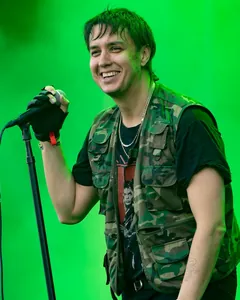 Julian CasablancasE2–C#5 · baritone
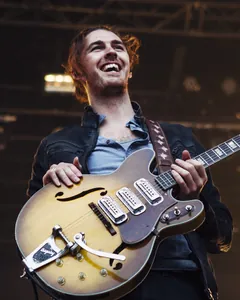 HozierC2–D5 · baritone
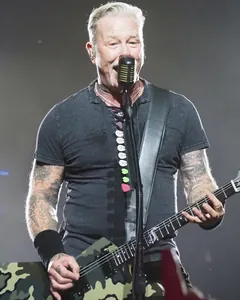 James HetfieldD2–E5 · baritone
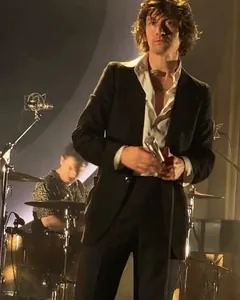 Alex TurnerE2–B4 · baritone
 Eddie VedderE2–B4 · baritone
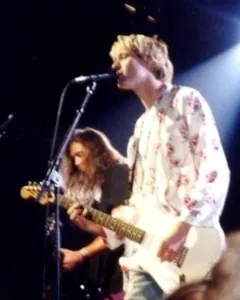 Kurt CobainF2–C5 · baritenor
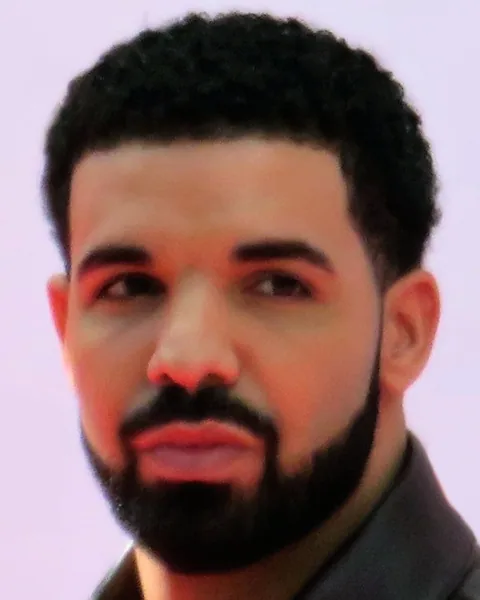
Photo: GabboT, CC BY-SA 2.0, via Wikimedia Commons. Range figures are estimates compiled from recordings and are not endorsed by the artist.